
Vandaag of morgen in huis

Kwaliteit gegarandeerd

Welkomstaanbiedingen ontgrendelen: GRATIS bezorging | Tot 80% korting | Gratis 30 dagen JoyPlus-proefperiode
Download de app
A good cleaver can be a powerful addition to your kitchen arsenal. Whether you want to break down spare ribs, tackle a pumpkin, or slice paper-thin vegetables for a stir-fry, the right tool makes the job easier and safer. However, the market is full of pitfalls. Many knives that look robust aren't up to the heavy-duty work, while others are unnecessarily expensive for what they offer.
As a Joybuy Product Recommendation Officer, I'll help you cut through the marketing jargon. We'll look at the specifications that truly matter, so you can choose a cleaver that fits your cooking style and budget, without facing unpleasant surprises a few months down the line.
Before we look at the solutions, it's important to recognize the problems. Many disappointments stem from two common misunderstandings:
To avoid a bad purchase, it's essential to look beyond appearances. Pay attention to the following three objective characteristics that determine a cleaver's function and durability.
This is the most important factor. The thickness of the blade's spine (the non-cutting edge) tells you directly what the knife is intended for.
The construction of the knife is an indicator of its balance and lifespan. A crucial feature to look for is full tang construction. This means the steel of the blade extends all the way through the handle.
A heavy knife requires a handle that offers absolute control. Pay attention to the shape and material. An ergonomically shaped handle that fits well in your palm reduces fatigue. Materials like Pakkawood, composite, or well-finished stainless steel provide a firm grip, even with wet hands. A smooth, round metal handle, for example, can slip out of your hands more easily.
Based on these objective criteria, we have selected a number of products that suit different user profiles.
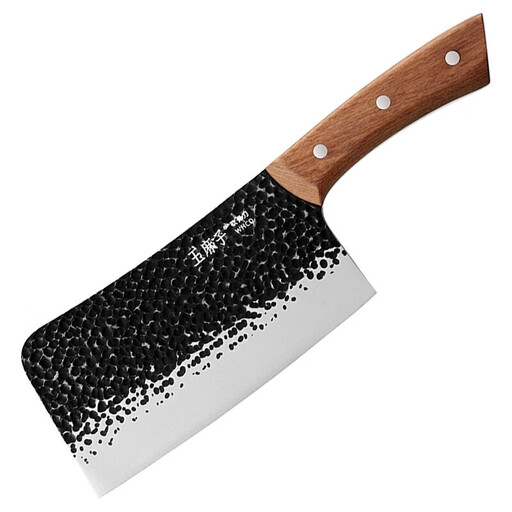
Why This Fits Their Persona: This is a specialized kitchen cleaver for the serious home cook or butcher who regularly processes large, bone-in cuts of meat, such as spare ribs or a whole chicken. Its weight and construction are purely focused on power.
This knife is specifically designed as a bone chopper. Its thick, heavy blade prevents the damage you would get from using a thinner Chinese chef's knife for this task.
The robust construction is built for impact, allowing you to chop through bones and hard materials with confidence without damaging the knife.
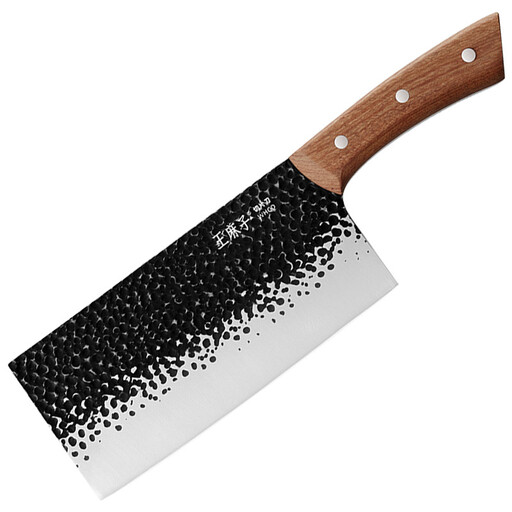
Why This Fits Their Persona: Perfect for the Asian cuisine enthusiast who needs a knife for slicing paper-thin vegetables, herbs, and boneless meat. This is a classic Chinese chef's knife, designed for speed and precision.
This knife sidesteps the "one-size-fits-all" pitfall by being a specialist. Its thin blade isn't meant for chopping but excels at the slicing tasks for which a heavy meat cleaver is too clumsy.
The thin, sharp blade effortlessly creates paper-thin slices. The full tang construction ensures good balance and control during rapid slicing.
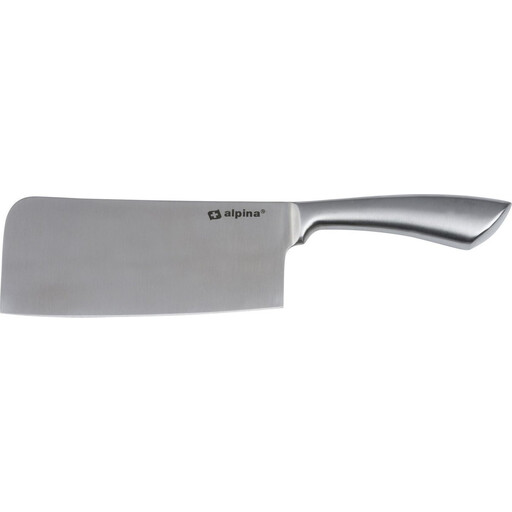
Why This Fits Their Persona: An approachable choice for the home cook looking for a versatile knife for everyday tasks, like chopping vegetables and portioning chicken. It's not a professional cleaver for heavy bones, but a solid all-rounder.
This knife is crafted entirely from stainless steel, which avoids the balance issues caused by a loose or lightweight handle. It is one solid piece.
The stainless steel material makes the knife low-maintenance and durable. According to the manufacturer, it is dishwasher-safe, which adds extra convenience.
We have compiled a complete, up-to-date list of products that meet these strict selection criteria.
Although they look similar, the difference lies in the thickness and weight of the blade. A Chinese chef's knife has a thinner, lighter blade (usually < 3 mm thick) and is intended for fast, precise slicing of vegetables and boneless meat. A true cleaver (or meat cleaver) has a thick, heavy blade (> 4 mm) designed to chop through bones and joints.
This depends on the material. Stainless steel knives with a synthetic or metal handle are sometimes dishwasher-safe, although hand washing is always recommended to maintain sharpness. Knives with a high-carbon steel blade or a wooden handle should never be put in the dishwasher; the steel can rust and the wood can crack. Always check the manufacturer's recommendations.
Due to the weight and impact of chopping, a professional cleaver will dull faster than a regular chef's knife. Regular honing with a honing steel helps keep the edge aligned. For truly sharpening a thick blade, a coarse-grit whetstone or an electric sharpener is often more effective than a manual sharpener designed for thinner knives. Store the knife in a knife block or on a magnetic strip to protect the edge.
