
Vandaag of morgen in huis

Kwaliteit gegarandeerd

Welkomstaanbiedingen ontgrendelen: GRATIS bezorging | Tot 80% korting | Gratis 30 dagen JoyPlus-proefperiode
Download de app
A blender may seem simple: add the ingredients, press a button and you’re done. In practice, models vary considerably in capacity, blade design, operating time and ease of cleaning. A cheap purchase may prove less convenient if you make smoothies every day, want to blend hot soup or crush ice.
The most common pitfalls are:
Power is measured in watts. A 500 to 600-watt blender may be suitable for soft vegetables, fruit and simple smoothies. For frozen ingredients, nut butter or regularly crushing ice, a model with 900 to 1,250 watts may be more practical.
Also check the recommended operating time. Some models may only run continuously for about one minute, after which the motor needs to cool down. This is important with a multifunctional blender or food processor that you use for several preparations in succession.
The number of speed settings determines how much control you have over the texture. A blender with multiple speeds and a pulse function is useful when you want to process ingredients in short bursts or leave them coarser.
For one person, a smoothie maker with a 590 to 700-millilitre cup may be sufficient. For families, a countertop blender holding around 1.2 to 1.75 litres is more convenient. Do check the difference between the total and usable capacity.
A blender with a glass jug is often suitable for hot and cold preparations when the manufacturer explicitly states this. The Rommelsbacher MX 1250, for example, has a 1.75-litre heat-resistant glass jug. Other models may have stricter limits. According to the product instructions, the Nutribullet Pro 900 must not be used with hot or carbonated liquids and specifies a maximum temperature of 21 °C.
Stainless-steel blades are commonly used for smoothies, sauces and soups. When crushing ice, the combination of blade shape, motor power and short pulses is particularly relevant. Don’t automatically treat claims about a particular blending technology as a guarantee of the results you’ll achieve in your recipes; first check the verifiable specifications and instructions for use.
A hand blender is compact and suitable for soup, purée and small quantities. A food processor or kitchen machine generally offers more accessories for grating, slicing, kneading or chopping. A separate mini chopper or spice grinder is more practical for small portions of coffee, spices or nuts.
For every appliance, check:

Why it suits this profile: The 1.5-litre jug and three speeds make it versatile enough for everyday use, from smoothies, sauces and baby food to simple chopping tasks.
The product specification lists 600 watts, multiple speeds and removable parts. The instructions limit heavy blending cycles to a maximum of one minute.
600 watts, 1.5-litre capacity, three speeds and a design that the product information says is easy to dismantle.
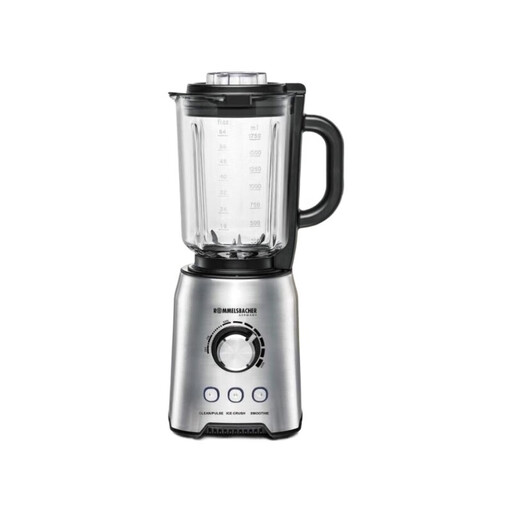
Why it suits this profile: This model is designed for larger portions and a wide range of preparations, from smoothies and soup to sauces and crushed ice.
The specifications list 1,250 watts, variable speed, a pulse function and a heat-resistant glass jug. This means you don’t have to rely solely on marketing terminology.
1.75-litre glass jug, six stainless-steel blades, variable speed and programmes for smoothies, crushing ice and soup.
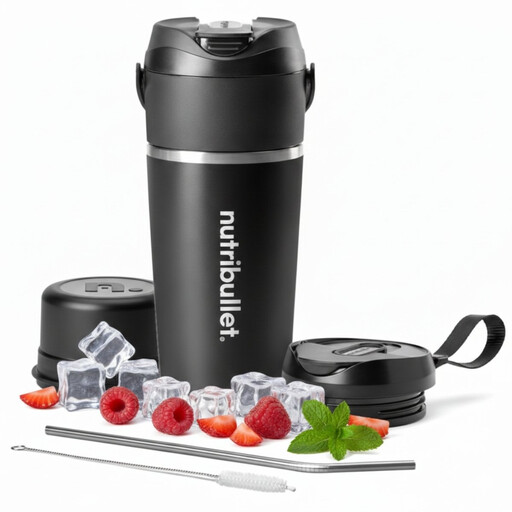
Why it suits this profile: This portable blender runs on a rechargeable battery and combines blending and drinking in the same thermal cup.
The capacity is clearly 0.59 litres and the model has one speed. You’re not buying a large appliance with hidden extra functions, but a compact solution for individual portions.
590 millilitres capacity, rechargeable, 120 watts and a stainless-steel thermal cup according to the product information.
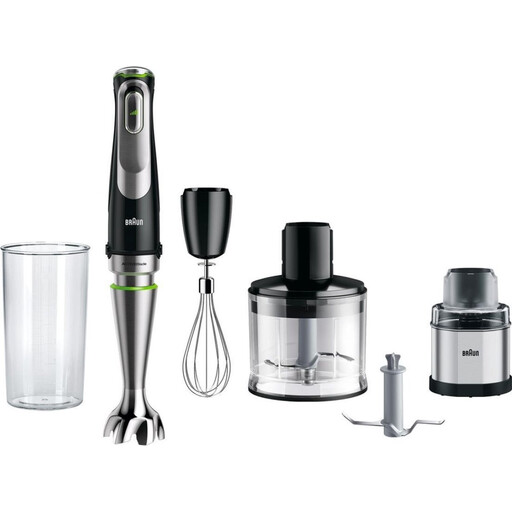
Why it suits this profile: This hand blender comes with a whisk, mini chopper, ice blade, and coffee and spice grinder for a range of small preparations.
The functions are matched to specific accessories: a 600-millilitre blending cup, mini chopper and separate grinding accessories. Do check beforehand that you actually need these parts.
1,200 watts, 600-millilitre blending cup, mini chopper with ice blade, and coffee and spice grinder; selected parts are dishwasher-safe.
We’ve put together a complete, up-to-date list of products that fully meet these strict selection criteria and the applicable European safety regulations.
That depends on the model. Only use hot liquids when the instructions allow it, and take the maximum filling level into account. A heat-resistant glass jug, such as the one on the Rommelsbacher MX 1250, is a relevant specification. A compact smoothie maker, on the other hand, may be intended for cold ingredients only.
Service life depends on use, maintenance, workload and following the instructions for use. Allow the motor to cool down after heavy blending cycles, don’t overfill the jug, and remove ingredients such as stones, bones and tough skins when these are not permitted. In the European Union, many new products come with a legal guarantee of at least two years; also check the manufacturer’s terms and conditions.
A blender usually runs for only a short time, so total consumption per preparation remains limited. A 1,200-watt model uses a maximum of approximately 0.02 kilowatt-hours during one minute, excluding start-up and standby consumption. Actual consumption depends on the selected speed, preparation time and number of cycles. Above all, take the recommended operating time into account and don’t choose a more powerful model than you need for everyday use.
