
Vandaag of morgen in huis

Kwaliteit gegarandeerd

Welkomstaanbiedingen ontgrendelen: GRATIS bezorging | Tot 80% korting | Gratis 30 dagen JoyPlus-proefperiode
Download de app
Buying a blender seems simple, until you start comparing product pages. One model highlights a high wattage, another promises multiple functions, while yet another uses terms such as “professional” or “powerful”. This information only becomes meaningful when you understand how the blender is designed and what you will actually use it for.
For UK households, three pitfalls are particularly relevant:
Also check that the product title matches the product specifications. For example, some appliances are listed with a glass jug in the title, while the specifications table mentions a plastic bowl. Some models have also been placed in the wrong product category. Always read the technical details and safety information before placing your order.
A 600W kitchen blender can be suitable for smoothies, sauces and soft vegetables. For frozen fruit, nut butter or a blender for crushing ice, a more powerful motor with a suitable pulse function is more practical.
Do not just look at the wattage. A product description may state 1,200W or 1,300W maximum power, but it does not always explain how long the appliance can run under load. Therefore, check:
According to the product description, the Xiaomi blender has a 600W motor, five speeds and a pulse function. The ochama Multifunction Blender also lists 600W and warns that the motor should not be used continuously for more than one minute, followed by a cooling period. This operating limitation is more important than a marketing claim about speed.
A blender with a glass jug feels sturdy and is often suitable for preparing warm ingredients, but glass is heavier and can break if dropped or used incorrectly. Check whether it is made from tempered or reinforced glass, and read the instructions regarding hot liquids.
A plastic jug is usually lighter. In that case, check the material, maximum fill line and whether the jug is dishwasher-safe. Pay attention to the lid too:
A capacity of 1.2 to 1.8 litres is generally suitable for families and making several smoothies. For one person, a smoothie maker with a drinking cup may be more convenient. A 2.1-litre jug, such as the one supplied with the Ninja Detect Blender Pro, provides room for large portions, but it also takes up more space in a kitchen cupboard or on the worktop.
A pulse function is useful for short bursts of blending and can help when crushing ice. For everyday use, a small number of clearly defined speeds is often easier to manage than a long list of programmes.
If you do more than blend, consider:
Bear in mind that “automatic cleaning” does not mean that every part is maintenance-free. Blades remain sharp and the motor base must not be immersed in water. Check whether detachable parts are dishwasher-safe and whether the blade can be removed.
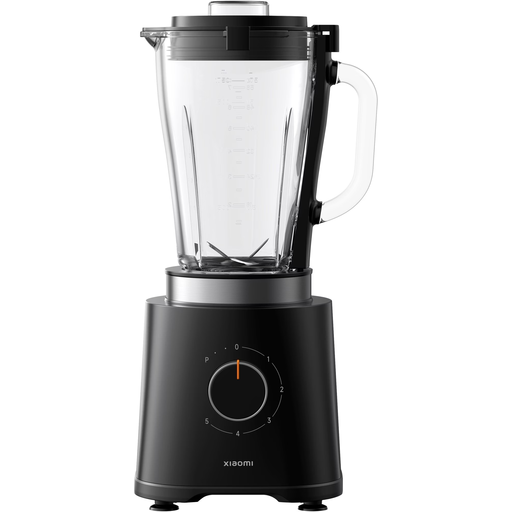
Why it suits this profile: According to the product description, this model offers five speeds, a pulse function and a 1.75-litre jug. It is suitable for households that want to make smoothies, sauces and purées without immediately investing in a more extensive system.
Alongside 600W, the specifications list the operating instructions and a safety lock. However, check the recommended maximum operating time yourself.
1.75-litre reinforced glass jug; five speeds and pulse function; removable blades according to the product information.
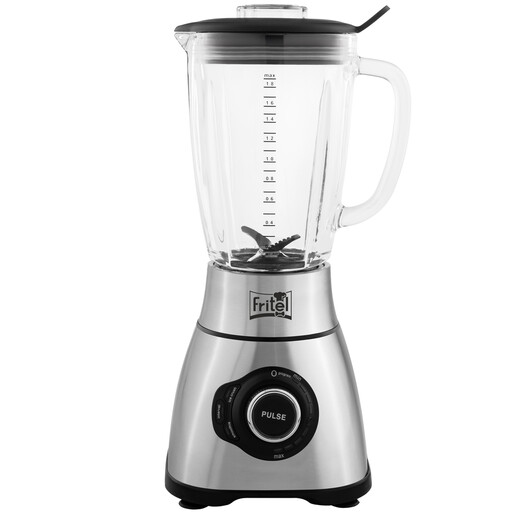
Why it suits this profile: According to the product description, this model is designed for users who regularly prepare smoothies, pesto, dips and iced drinks, and who value programmes and easy maintenance.
The product information mentions a removable blade assembly, dishwasher-safe parts and pre-set programmes. Check the exact power specification before buying.
1.8-litre glass jug; programmes for Ice Crush and Smoothie; automatic switch-off according to the product description.
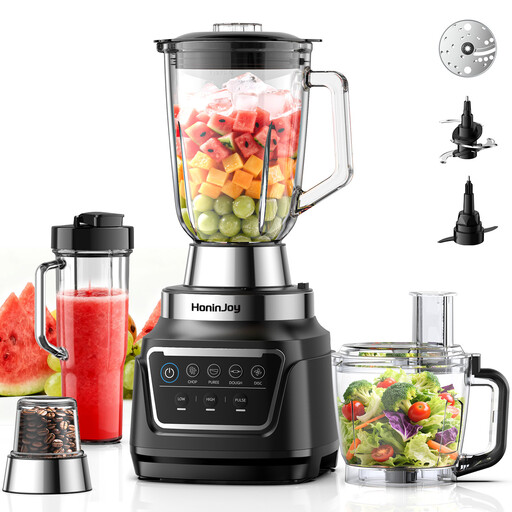
Why it suits this profile: According to the product description, this appliance combines blending, chopping, grinding, slicing and grating. It is aimed at meal preppers and households that want to combine several kitchen appliances.
The set includes separate bowls and accessories. This allows you to check in advance whether the additional functions really suit your recipes and available storage space.
1,300W maximum power according to the product description; 1.5-litre glass blender jug; 2-litre food processor bowl and dishwasher-safe detachable parts.
We have put together a complete, up-to-date list of products that fully meet these strict selection criteria and the applicable European safety regulations.
For soft ingredients and smoothies, 500 to 700W may be sufficient. For crushing ice, hard vegetables and nuts, higher power is useful, but always check the operating time and blade construction. Wattage alone does not fully predict the result.
The lifespan depends on usage, maintenance, overloading and cooling times. Allow the motor to cool according to the instructions, do not use the blender with an empty jug and clean the blades carefully. In the European Union, consumers are generally entitled to a minimum two-year legal guarantee, in addition to any further rights provided under national law.
A glass jug is heavier and can break, but it feels sturdy and is less likely to absorb odours. Plastic is lighter and often easier to handle. Above all, look at the exact material, maximum fill level, dishwasher suitability and instructions for hot liquids.
