
Vandaag of morgen in huis

Kwaliteit gegarandeerd

Welkomstaanbiedingen ontgrendelen: GRATIS bezorging | Tot 80% korting | Gratis 30 dagen JoyPlus-proefperiode
Download de app
Buying a blender might seem straightforward until you discover how many different appliances are sold under the same name. A smoothie maker, hand blender, stick blender and food processor can partly replace each other, but they aren’t designed for the same tasks. If you only look at the wattage or an attractive product photo, you could end up with an appliance that’s too small, difficult to clean, or unsuitable for hot ingredients.
The main pitfalls to watch out for:
A hand blender or stick blender is handy for soups, sauces, baby food and small portions. You work directly in a pan, bowl or measuring jug. A compact model like the Nedis Hand Blender has a power rating of 150 W according to the product specifications, with one speed and no chopper or whisk. That makes it suitable for simple puréeing tasks, but less ideal for hard ingredients or large quantities.
A countertop blender with a jug is more logical for smoothies, shakes and multiple portions. A smoothie maker with drinking cups is especially practical when you often prepare one portion at a time. A food processor is more interesting for slicing, grating, chopping, kneading and emulsifying.
For one person, a beaker of 600 to 900 ml may be sufficient. Families usually need a jug of 1.5 to 1.8 litres. Bear in mind the maximum fill line; the nominal capacity isn’t always the same as the usable amount.
Also check the material:
Multiple speeds give you more control over things like dips, sauces and coarser mixtures. A pulse function is useful when you want short, powerful bursts. A blender with an ice-crush function is designed for that purpose according to the product information, but always follow the maximum quantity and running time from the manual.
Also look out for motor protection. Several models in this range advise not to blend continuously for longer than about one minute, and then to let the appliance cool down. This is especially relevant for a powerful blender, a blender with an ice-crush function, or a food processor handling hard ingredients.
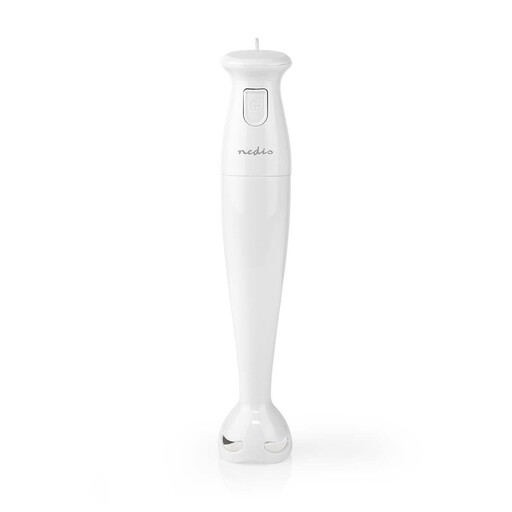
Why this fits the profile: The simple one-button operation and compact stick blender design suit small kitchens and everyday puréeing tasks.
The product information clearly states one speed, 150 W and the absence of a chopper, whisk and ice crusher. So you know in advance what you are and aren’t getting.
Compact size, 1-metre cord and suitable for use in bowls, pans and beakers.
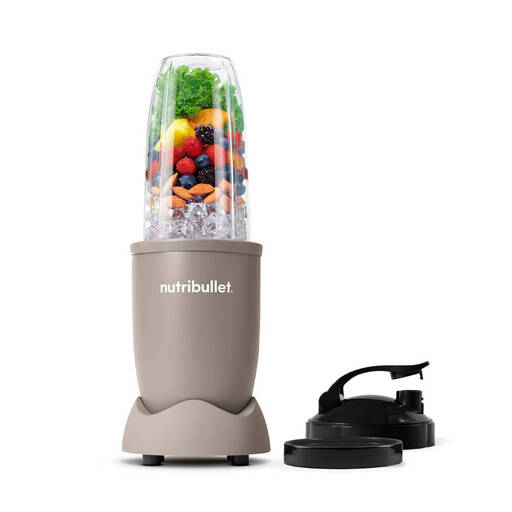
Why this fits the profile: This compact blender combines a 700 ml beaker with a 900 W motor and accessories for daily use, such as smoothies, pesto and dips.
The 0.70-litre capacity, 900 W power and included on-the-go lid are all clearly stated. The manual also warns against hot liquids.
BPA- and BPS-free Tritan beaker according to the product data; beaker and accessories are described as dishwasher-safe.
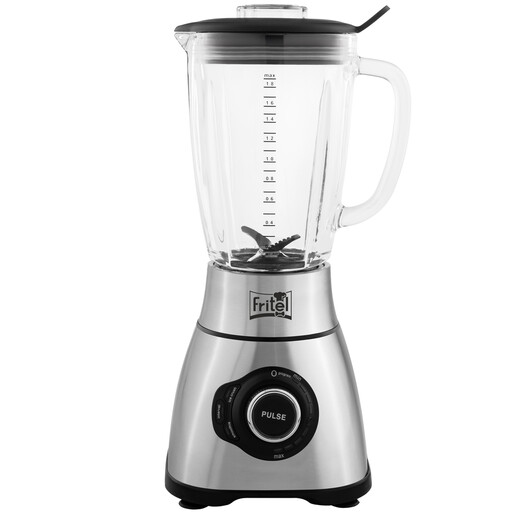
Why this fits the profile: The 1.8-litre glass jug and programmes for smoothie, interval and ice crush suit larger portions and a variety of preparations.
The functions aren’t just described as “multifunctional”: the product data lists 1.8-litre capacity, ice crush, smoothie and interval separately.
1.8-litre glass jug, nine speeds according to the product title and a removable blade unit for maintenance.
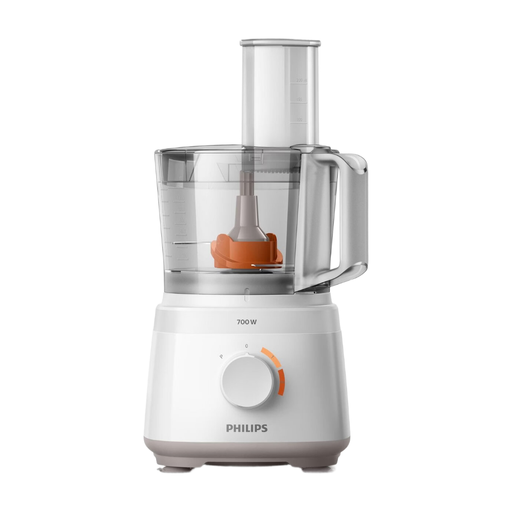
Why this fits the profile: This food processor focuses on slicing, grating, chopping, kneading and mixing, so it goes beyond a standard countertop blender.
The product data specifies 19 functions, a 1.5-litre bowl, 700 W and separate accessories. That makes the practical capabilities verifiable.
Kneading accessory, reversible disc and S-blade unit; removable parts are suitable for the top rack of the dishwasher according to the product information.
We’ve put together a full, up-to-date list of products that fully meet these strict selection criteria and comply with current European safety regulations.
For smoothies, a countertop blender or smoothie maker with a suitable jug is practical. For soup and small portions, a stick blender is often handier because you can work directly in a bowl or pan. Always check the safety instructions for hot preparations; not every model can handle hot liquids.
That depends on the application. For soft vegetables, fruit and simple sauces, a lower power rating may suffice. For hard ingredients, ice or larger quantities, a model with more power and suitable blades makes more sense. Alongside wattage, also look at the recommended running time, capacity and functions.
The electricity consumption depends on the power rating and how long you use the appliance. A 900 W motor that runs for a short time doesn’t automatically use more than a lower-powered model that has to work longer. For the total cost, also factor in accessories, warranty, cleaning and any replacement parts.
