
Vandaag of morgen in huis

Kwaliteit gegarandeerd

Welkomstaanbiedingen ontgrendelen: GRATIS bezorging | Tot 80% korting | Gratis 30 dagen JoyPlus-proefperiode
Download de app
Buying a blender sounds simple, until you have to choose between a smoothie maker, stick blender, hand blender, portable blender or powerful blender for the whole family. Marketing often focuses on wattage, a wide range of programmes and compact design. But on their own, these features tell you little about how convenient an appliance will be to use every day.
Three common pitfalls are worth avoiding:
Power is measured in watts. A 250 to 350 W blender may be suitable for soft fruit, shakes and simple smoothies. For frozen fruit, ice, nuts or larger quantities, a more powerful model with a suitable blade design is more practical.
High power doesn’t automatically mean that every ingredient can be blended without preparation. Cut hard ingredients into smaller pieces, add enough liquid and take note of the maximum fill line. Some appliances also have a limit on how long they can be used at a time. For example, the ROUNY hand blender specifies a maximum of one minute of continuous use, followed by one minute of rest.
Choose a capacity to suit the portions you usually make:
Also check whether the cup has a leakproof lid. A travel lid isn’t necessarily designed to be completely leakproof.
A dishwasher-safe blender can save time, but check exactly which parts can go in the dishwasher. The motor base shouldn’t. Tritan and BPA-free plastic are often used for cups; glass is heavier, but feels sturdy and is suitable for many everyday recipes.
Also look for:
Don’t use a blender for hot liquids unless the instructions expressly say that it’s safe. Steam and pressure could loosen the lid. Always unplug the appliance before cleaning it, assembling it or changing accessories. According to the product information, many of the models mentioned come with a minimum two-year legal guarantee; additional rights may apply under Dutch law.

Why it suits this profile: The 500 ml capacity is just right for one smoothie or shake. According to the product description, the cup also comes with an extra drinking lid for use on the go.
The product information specifies 250 W, one speed, a safety lock and a BPA-free Tritan cup. It’s best suited to simple recipes, so don’t expect it to automatically handle hard ingredients.
500 ml capacity; according to the description, removable parts are dishwasher-safe.

Why it suits this profile: The 2.1-litre jug is designed for larger portions. The product description also lists a 700 ml cup for individual servings.
The specifications list 1200 W, 14 manual speed settings and four automatic programmes. Remember to check the fill line and use only the supplied or suitable accessories.
2.1-litre jug; pulse and ice-crushing functions according to the product information.
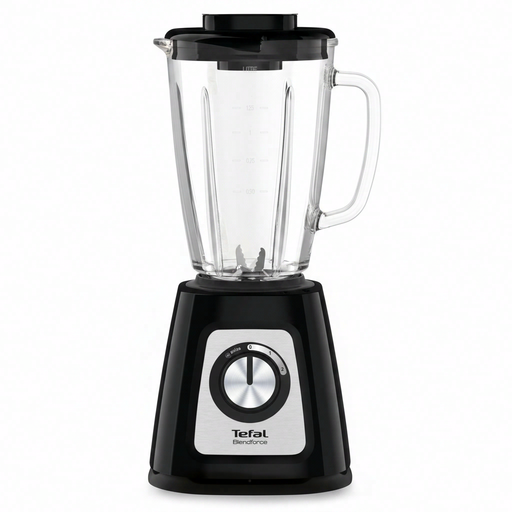
Why it suits this profile: This jug blender combines 800 W of power with a 1.25-litre glass jug. It’s a good fit for households making smoothies, cold drinks or soup in multiple portions.
The product details list two speeds, a pulse function and an ice-crushing setting. This tells you what controls are available, rather than leaving you to judge by wattage alone.
1.25-litre glass jug; non-slip feet, safety lock and dishwasher-safe parts according to the product description.
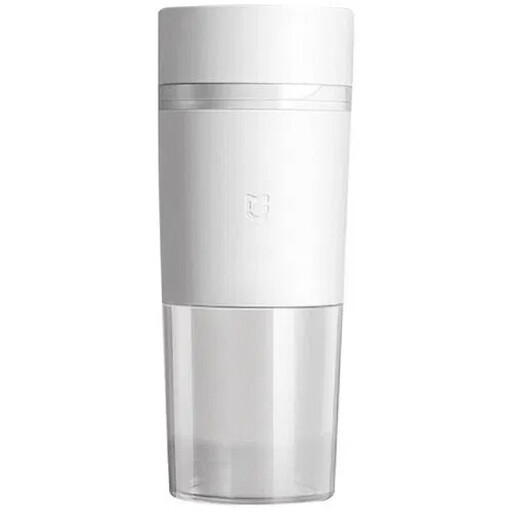
Why it suits this profile: This portable blender has a 400 ml capacity, a rechargeable battery and a USB-C connection. It’s a good choice for a small smoothie at the office, on the go or after a workout.
The capacity and power source are clearly specified. Bear in mind that the product information warns against using hot liquids and advises you not to immerse the motor base.
400 ml capacity; rechargeable via USB-C and designed for use in different locations.
We’ve put together a complete, up-to-date list of products that meet these strict selection criteria and the applicable European safety regulations.
It depends on the portion size and ingredients. A smoothie maker or mini blender with 250 to 350 W is often enough for soft fruit. If you regularly use frozen fruit or ice, look at the blade design, pulse function, recommended ingredients and power. For several people, a jug of around 1.2 litres or more is more practical.
A stick blender works directly in a pan or bowl and takes up little storage space. A jug blender can make a smooth mixture, but you’ll need to let the soup cool first if the instructions don’t allow hot liquids. Always check the safety instructions for the specific model.
Its lifespan depends on how often you use it, how hard you push it, how you clean it and how you store it. Don’t run the motor for longer than instructed, don’t exceed the maximum capacity and keep liquid out of the motor base. A model with removable, replaceable accessories can be practical if you use the appliance often. When you buy, check the guarantee terms too, and keep the instructions.
