
Vandaag of morgen in huis

Kwaliteit gegarandeerd

Welkomstaanbiedingen ontgrendelen: GRATIS bezorging | Tot 80% korting | Gratis 30 dagen JoyPlus-proefperiode
Download de app
When you’re buying a bike, you often look first at colour, price and the number of gears. These are visible features, but they don’t determine whether a bike will be comfortable and safe for your daily use. A city bike for commuting requires something different from a mountain bike, road bike or electric bike for longer rides.
With this practical checklist, you can avoid making a poor purchase and compare models based on frame, wheel size, brakes, drivetrain and intended use.
A bike with 18 or 21 gears may seem versatile, but more gears don’t automatically mean more comfort. What matters more is whether the gear ratios suit your route. For flat cycle paths, a simpler system can be perfectly adequate. If you ride over bridges, hills or unpaved roads, a suitable gear range is more important than a high number on its own.
Also check whether the bike has a derailleur or hub gears, and how much maintenance each requires.
A bike can be technically good, yet uncomfortable to ride if the frame doesn’t match your height. So pay attention to:
A 24-inch bike isn’t just a smaller version of an adult model. The geometry, handlebars and recommended rider height all need to match. For a children’s bike, the inside leg measurement is often a better guide than age alone.
Terms like “all-terrain”, “lightweight” or “long range” say little without measurable information. Look for the frame weight, maximum load, battery capacity, tyre size and type of brakes.
When buying an e-bike, for example, you shouldn’t just look at the range. The actual distance depends on riding style, weight, wind, hills, tyre pressure and assistance level. According to the product description for the Prophete Entdecker 3.0, the stated maximum range is up to 110 kilometres, depending on riding style and terrain. So it’s not a fixed distance for every ride.
An aluminium frame is generally lighter than a steel frame. This can be handy when lifting, storing or carrying the bike on a rack. Steel, on the other hand, can offer a different riding feel and a robust construction. Always check the total weight and the permitted load.
For a transport bike or cargo bike, pannier racks, mounting points and maximum load capacity are more important than a low bike weight. The Fiido T2 states a maximum total load of 200 kilograms and has integrated front and rear racks. Before buying, check whether that capacity suits the rider, luggage and any accessories.
A bike with disc brakes can be a good choice for hilly terrain, changeable weather or heavier loads. Hydraulic disc brakes use brake fluid and require a different adjustment from mechanical disc brakes. A road bike often has rim brakes, such as dual-pivot calliper brakes, because low weight and aerodynamics can be important there.
Which brake is suitable depends on how you’ll use the bike. For every model, check whether the brake pads, cables or discs are easily accessible for maintenance.
Wide tyres generally offer more stability on loose surfaces, while narrow 700C tyres are designed for low rolling resistance on tarmac. A mountain bike with front suspension can absorb bumps on trails, but it doesn’t automatically make the bike suitable for heavy downhill riding.
Also look for mudguards, lights, a bike with a pannier rack and an adjustable saddle. For daily commuting in the Netherlands, these practical features are often more valuable than a sporty appearance.
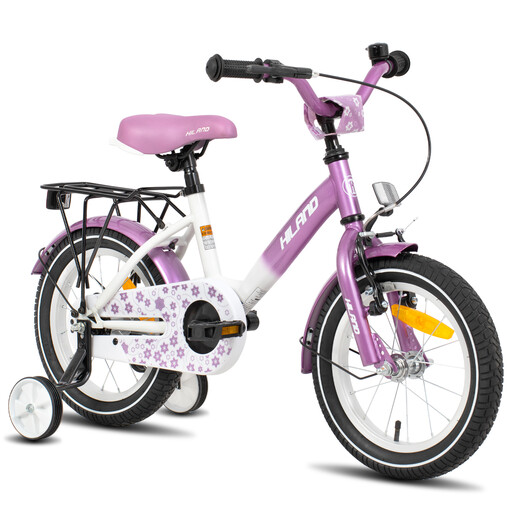
Why this fits the profile: This model is designed for children aged approximately 2 to 4 years, with a height of 80 to 105 cm. The single gear and included stabilisers keep the controls simple for beginner riders.
The product information clearly states the wheel size, recommended height, two braking systems and a fully enclosed chain. This means you can check the size and basic equipment beforehand.
12-inch wheels, adjustable saddle, V-brake at the front and coaster brake at the rear; supplied with a basket and stabilisers.
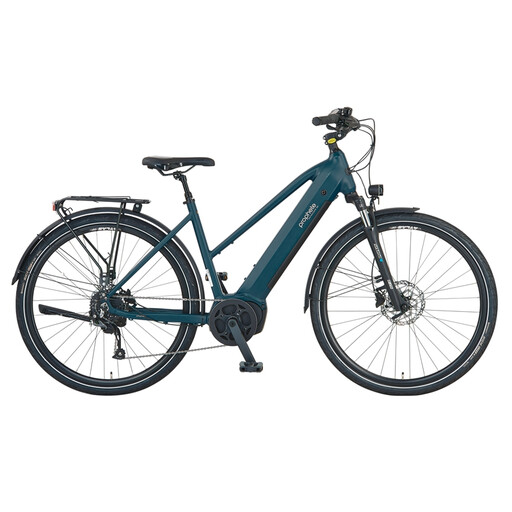
Why this fits the profile: A trekking e-bike with 28-inch wheels, a mid-drive motor and 9 gears is ideal for longer tours and daily use on paved roads.
The specifications list the motor power, battery capacity, brake type, tyre size and stated range. This allows you to look beyond just the term e-bike.
36V mid-drive motor, integrated 360 Wh battery, hydraulic disc brakes, suspension fork and lights.
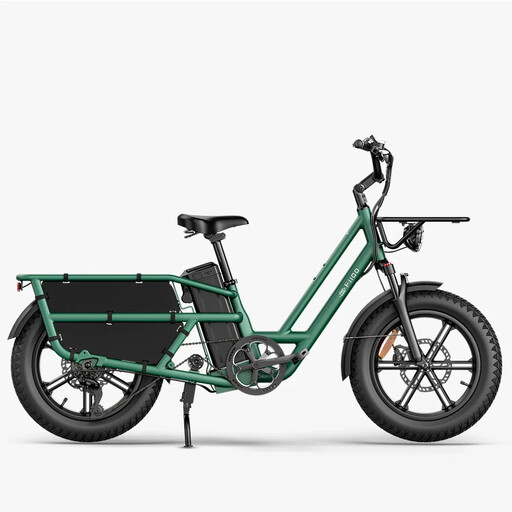
Why this fits the profile: If you carry shopping, work materials or other luggage, load capacity and racks matter more than a sporty frame.
The product description states a maximum load of 200 kg, two pannier racks, 20 x 4 inch tyres and hydraulic brakes. This data makes the intended use clear.
7 gears, removable battery, front suspension, wide tyres and a frame suitable for riders from 155 to 200 cm.

Why this fits the profile: This model is aimed at adults who want a mountain bike for trails while also looking for an agile bike for urban rides.
The model states the frame height, wheel size, material, suspension and hydraulic disc brakes. A maximum rider weight of 250 pounds is also mentioned; check this in the current product information before buying.
Aluminium frame, 27.5-inch tyres, front suspension and hydraulic disc brakes; partial assembly required.
We’ve put together a full, up-to-date list of products that fully meet these strict selection criteria and comply with current European safety regulations.
Use the recommended height and inside leg measurement from the product information. A 12-inch bike is often intended for young children, while a 20-inch bike or 24-inch bike is more suitable for older children and teenagers. Always let the child test whether they can safely get on, brake and maintain enough control with both feet.
In addition to the purchase price, you pay for electricity, maintenance, tyres and possibly a battery in the longer term. The cost per charge depends on the battery capacity and the electricity tariff. A larger battery can be useful for longer rides, but also check the weight and whether the battery is removable.
The lifespan depends on the material, use, storage and maintenance. Regularly check the tyre pressure, brakes, bolts and chain. Clean the bike after riding in rain or mud and store it in a dry place if possible. For a bike with gears, disc brakes or electric assistance, periodic servicing by a bike mechanic can be a wise idea.
