
Vandaag of morgen in huis

Kwaliteit gegarandeerd

Welkomstaanbiedingen ontgrendelen: GRATIS bezorging | Tot 80% korting | Gratis 30 dagen JoyPlus-proefperiode
Download de app
Buying a new bike can feel like navigating a maze. The market is flooded with promises of speed, comfort, and range. But how do you know what truly matters and what's just marketing fluff? Many people fall into the same traps: choosing a bike that doesn't fit, paying too much for unnecessary features, or ending up with an accessory that becomes useless after a few months.
Before you make a decision, it's helpful to know the most common pitfalls.
electric bike can be significantly lower.road bike helmet is impractical for short city trips. Conversely, a simple cable lock offers insufficient protection for a valuable e-bike. The right accessory is tailored to your specific bike and usage.To sidestep these pitfalls, it's important to focus on a few objective specifications. These features determine the quality and suitability of bicycles and bike accessories far more than marketing claims.
The right frame size is the most critical factor for an enjoyable cycling experience. A frame that is too large or too small forces you into an unnatural posture. Measure your inseam (from the ground to your crotch) and use the manufacturer's size charts as a guide. Also, pay attention to the frame type. A mountainbike has a different geometry than a city bike, focused on agility and control on rough terrain. A low-step frame, as seen on some fatbike models, offers extra convenience when getting on and off.
When buying a bike like an e-bike, look beyond the advertised kilometres. The battery capacity, expressed in Watt-hours (Wh), is a more reliable indicator. You can calculate this by multiplying the Voltage (V) by the Amp-hours (Ah). For example, a battery of 48V and 13Ah has a capacity of 624 Wh. A higher Wh value generally means a greater realistic range. Brands like Engwe e-bike often specify these values clearly, which helps in making a fair comparison.
For a bike helmet, the EN 1078 certification is the European standard. This standard guarantees that the helmet meets requirements for shock absorption, fit, and chin strap strength. A helmet without this certification may not offer adequate protection in a fall. Always check if this marking is visible on the product or in the specifications.
Based on these objective criteria, we have selected a number of products that suit different cyclist profiles.

Why This Fits Their Persona: Ideal for those who combine cycling with public transport or need to store their bike compactly in an apartment. The wide tyres provide stability on cobblestones and tram tracks.
The clear battery specification (48V 13Ah) provides a more realistic picture of the range than the marketing claim. Its foldable design is a specific solution, avoiding the 'one-size-fits-all' trap.
Folds compactly for transport and storage. The 20x4.0 inch wide tyres ensure comfort and grip in the city.

Why This Fits Their Persona: Perfect for those who want to explore forests and unpaved trails. This bike is designed for control and comfort on rough terrain.
This is a purpose-built mountainbike, not a generic city bike. Its specifications, such as front suspension and hydraulic disc brakes, are tailored for off-road use, preventing a mismatched purchase.
Hydraulic disc brakes provide reliable stopping power in all weather conditions. The front suspension absorbs shocks for a more comfortable ride.
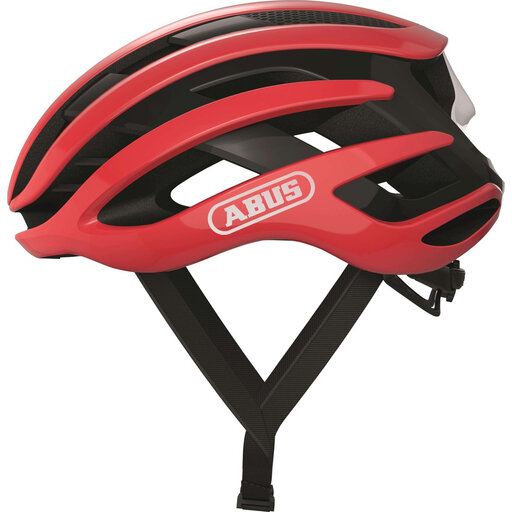
Why This Fits Their Persona: For the serious cyclist who values aerodynamics and ventilation during long, fast rides.
This is a specific road bike helmet, not a generic city helmet. It meets the EN 1078 standard, an objective guarantee of safety, and prevents the purchase of an unsuitable accessory.
The Multi Speed Design, as ABUS calls it, is engineered for optimal aerodynamics and ventilation at varying speeds.
We've compiled a complete, up-to-date list of products that meet these strict selection criteria and safety regulations.
The most reliable method is to measure your inseam. Stand with your feet about 15 cm (6 inches) apart and measure the distance from the ground to your crotch. Multiply this number (in cm) by approximately 0.66 for a road bike or 0.68 for a city or touring bike to get an estimate of the required frame size. Always consult the manufacturer's specific size chart, as sizing can vary between brands.
A modern lithium-ion battery typically lasts between 500 and 1000 full charge cycles. In practice, this translates to about 3 to 5 years of use before the capacity noticeably decreases. You can extend its lifespan by not letting the battery drain completely, storing it at room temperature, and not leaving it on the charger unnecessarily after it's full.
Yes, a fatbike is generally legal for road use, provided it meets the local regulations for an electric bike. This typically means a motor with a maximum power of 250W and pedal assistance that cuts off at 25 km/h (15.5 mph). For these models, a helmet, license, and registration are often not required, but always check your local laws. They are practical due to the stability the wide tyres offer on uneven surfaces, but they are often heavier and have more rolling resistance than a standard bike.
