
Vandaag of morgen in huis

Kwaliteit gegarandeerd

Welkomstaanbiedingen ontgrendelen: GRATIS bezorging | Tot 80% korting | Gratis 30 dagen JoyPlus-proefperiode
Download de app
A belt may seem like a simple accessory, but you’ll soon notice if you’ve chosen the wrong one. It might be too short, shift around as you wear it or lose its shape after a short time. Marketing terms such as “leather-look”, “one size” and “extra strong” don’t always tell you enough about the material, fastening or fit.
If you’re looking to buy a men’s, women’s or unisex belt online, it’s worth checking three things first: how the size is measured, the material and what you’ll use it for.
A size 80, 90 or 95 often refers to a waist or belt size, while some product pages give the total length. On some styles, the buckle is included in that measurement. So don’t compare these figures without checking the size guide.
For example, a belt with a total length of 120 cm isn’t necessarily suitable for a 120 cm waist. For a made-to-measure or adjustable style, it’s also important to check where the centre hole or fastening sits.
A leather belt and a faux-leather belt are made from different materials and need different care. Check the material details:
Treat claims about durability or water resistance as claims made by the brand. According to JACK&JONES’ product description, bonded leather fibre has a soft feel and natural water resistance. Always check the care instructions before exposing the belt to moisture.
A formal belt is often narrower and more understated than a casual one. A width of around 3.5 cm will usually fit through many standard belt loops and works well with trousers, chinos or jeans. A bold or wide buckle may be less suited to business wear.
For sport, walking or outdoor activities, a lightweight buckle, flexible strap and simple adjustment are often more important than a classic look.
Measure your waist where you wear the belt, ideally over your clothes. Then check whether the product page gives any of the following measurements:
An elastic or braided belt can often be adjusted more precisely than a style with fixed holes. A canvas belt with continuous adjustment is practical if several people will be sharing it.
The material can affect how you wear and care for your belt. A leather belt can work well for work or formal occasions, while a faux-leather belt can be an affordable choice for everyday wear. A cotton or canvas style goes well with jeans and casual clothes.
Also check the care instructions. Some belts must not be washed, ironed, tumble-dried or dry-cleaned. For some textile styles, the instructions may simply say to wipe with a damp cloth. Always follow the care label and product instructions.
First, decide what you need the belt for:
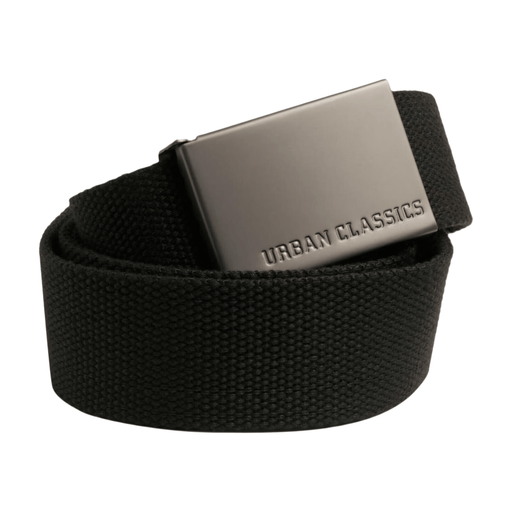
Why it suits this profile: This black unisex belt has a one-size design that’s easy to adjust. It works well with jeans, chinos and other casual outfits.
The product information gives a length of 120 cm, a width of 3.8 cm and a one-size design with continuous adjustment. This gives you a clearer idea of the fit than a general size description alone.
100% polyester canvas, a metal buckle and care with a soft damp cloth, according to the product information.
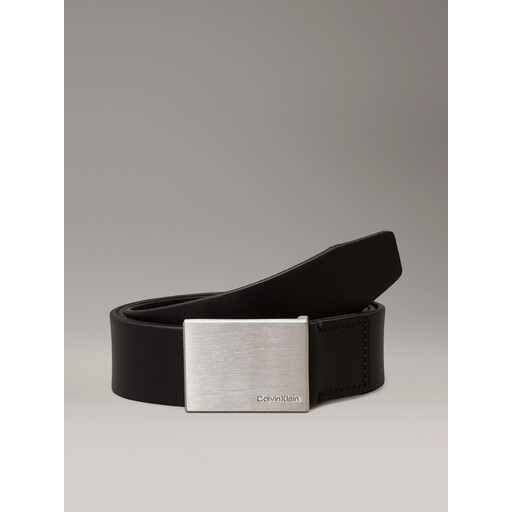
Why it suits this profile: This formal black leather belt is 3.5 cm wide, making it a good choice for work, suits and smart everyday outfits.
The product page lists 100% leather as the main material and includes a detailed size guide. This lets you compare size 80 with waist and EU sizes.
100% leather, a brushed metal plaque buckle and a width of 3.5 cm, according to the product description.
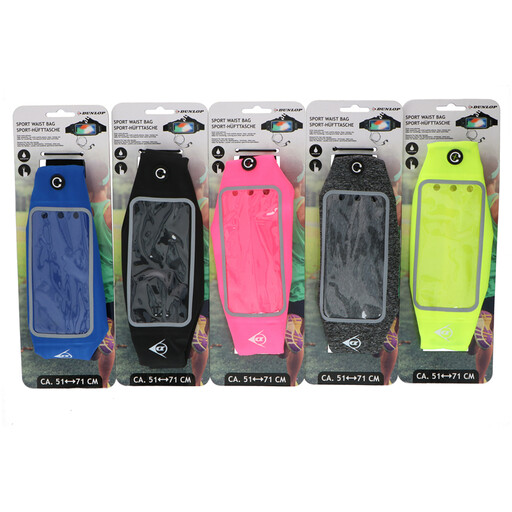
Why it suits this profile: This is a focused choice for sports activities where a compact size range and a sporty design matter.
The size is clearly given as 51-71 cm. Before buying, check that your waist measurement falls within this range rather than relying on a general sports size.
Suitable for a waist of 51-71 cm; the product information refers you to the care label for maintenance instructions.
We’ve put together a complete, up-to-date list of products that meet these strict selection criteria and current European safety regulations.
Measure your waist where the belt will sit and note the circumference in centimetres. Compare this with the product’s size guide. Check whether the stated measurement refers to the distance to the centre hole, the total belt length or just the strap length.
A belt’s lifespan depends on its material, how often you wear it, how much strain it’s under and how well you care for it. A belt tightened every day may wear more quickly around the holes, buckle or belt loop. Store a leather belt somewhere dry, and follow the specific care instructions for textiles, faux leather and elastic.
A formal belt with a discreet buckle is usually a good choice. Make sure it’s narrow enough to fit through your trouser belt loops. A black belt often goes well with black shoes, while a brown belt typically pairs with brown shoes and casual clothes. Always check the exact colour and material description on the product page.
