
Vandaag of morgen in huis

Kwaliteit gegarandeerd

Welkomstaanbiedingen ontgrendelen: GRATIS bezorging | Tot 80% korting | Gratis 30 dagen JoyPlus-proefperiode
Download de app
Want to buy energy drinks for the journey, during a long working day or to stock up at home? Comparing them may seem straightforward, but marketing can sometimes make it unnecessarily complicated. An eye-catching flavour name tells you little about the caffeine content. A larger pack may also appear better value, while costing more per can than a smaller multipack.
So pay particular attention to these three common pitfalls:
With the right information from the label, you can compare energy drinks objectively by their ingredients, volume, flavour and intended use.
Caffeine is usually listed per 100 ml. For your daily choice, the amount per can is particularly relevant. A drink containing 32 mg of caffeine per 100 ml contains approximately:
According to the product information, Red Bull contains 32 mg of caffeine per 100 ml. For 500 ml Monster variants, the product page lists a caffeine content of approximately 30 to 32 mg per 100 ml, for example. Always check the current label, as ingredients may vary by market or variant.
Ghost Energy is notably different: the product information states 200 mg of caffeine per 473 ml can. This is an important specification for adults who want to limit their caffeine intake or already consume coffee, tea or other caffeinated products.
Pay attention to the warnings on the packaging. Energy drinks with a high caffeine content are generally not recommended for children, pregnant women or breastfeeding women. People who are sensitive to caffeine or have a medical condition should seek professional advice first.
A regular energy drink often contains sugar. Red Bull, for example, lists 11 g of sugar per 100 ml, while Slammers Energy Refreshing Power Drink lists 11.4 g of sugar per 100 ml. In a 250 ml can, that amounts to approximately 27.5 to 28.5 grams of sugar.
A sugar-free energy drink usually contains sweeteners such as sucralose, acesulfame K or aspartame. This does not mean that the drink is low in caffeine. Monster Ultra White, for example, lists 0 g of sugar per 100 ml but does contain caffeine according to the ingredients list. Slammers Sugar-Free also lists 0 g of sugar and uses sweeteners, among other ingredients.
Also consider the flavour category. Fruit variants may have different carbohydrate values from classic or “ultra” variants. According to the product information, Ghost Energy is sugar-free and contains 10 calories per can, but it does have a high caffeine content.
A 250 ml energy drink is convenient if you want a smaller serving or would like to try different flavours. A 500 ml energy drink is more suitable for shoppers who prefer a larger can or do not want to replenish their supply as often.
Use this simple calculation:
Price per can = product price ÷ number of cans
Deposit charges should be checked separately. The product information for some multipacks lists a deposit amount; this may vary depending on the packaging and time of purchase. A 12- or 24-can energy drink multipack is practical for a household, office or event, but also check the best-before date and how quickly you expect to use it.
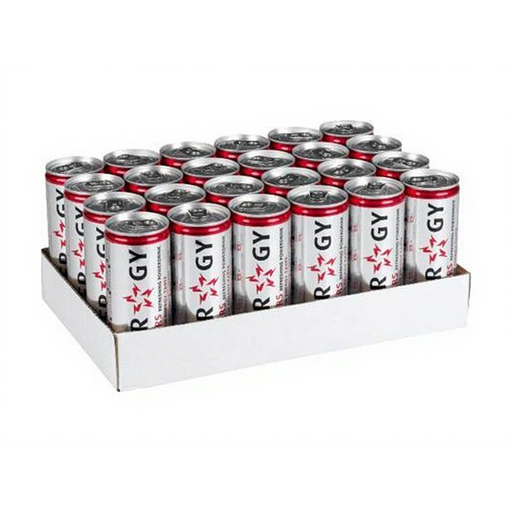
Why it suits this profile: The pack contains 24 cans of 250 ml. This makes it a manageable size for anyone trying a multipack for the first time or wanting to keep several servings at home.
The product information clearly states 11.4 g of sugar and 0.032% caffeine. This means you can check the ingredients in advance rather than relying solely on the flavour or packaging.
24 x 250 ml; classic formula with sugar, caffeine, taurine and B vitamins.
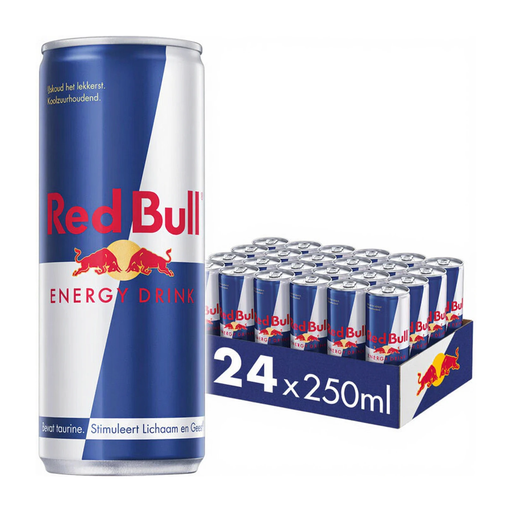
Why it suits this profile: This recognisable 250 ml pack is ideal for work, studying, travelling or a cupboard where you want to keep track of serving sizes easily.
The product information separately states 11 g of sugar and 32 mg of caffeine per 100 ml. This makes it easy to compare the balance between size, sugar and caffeine.
24 x 250 ml; 32 mg of caffeine per 100 ml; contains taurine and B vitamins according to the product description.
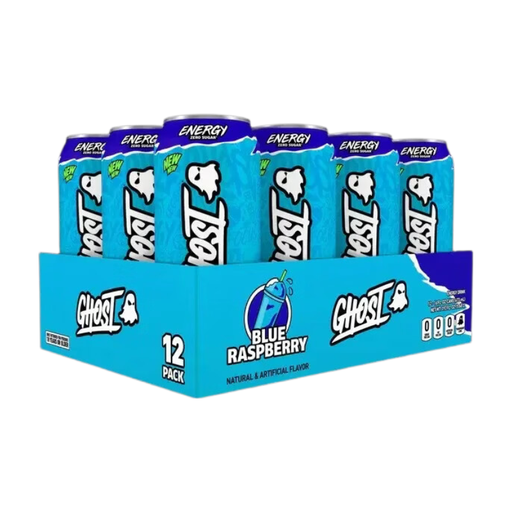
Why it suits this profile: The 473 ml can and stated caffeine content of 200 mg per can are particularly appealing to adults deliberately looking for a powerful, sugar-free option.
The label makes the high caffeine content per can clear. The product information also states that the product is intended for people aged 18 and over.
12 x 500 ml; sugar-free; 200 mg of caffeine per can according to the product details; Blue Raspberry flavour.
We have put together a complete, up-to-date list of products that fully meet these strict selection criteria and the applicable European safety regulations.
Check these points before completing your purchase:
Not necessarily. Sugar-free variants often contain few calories, but may still contain a lot of caffeine. So always compare both sugar per 100 ml and caffeine per can.
That depends on the price per can and the number of millilitres. Divide the price by the number of cans and then compare the price per litre if necessary. A smaller can may also be more practical if you want to keep your serving size under control.
Check the volume, number of cans, caffeine content, sugar or sweeteners, deposit charges, best-before date and delivery terms. Only then choose between brands and flavours, such as buying Monster Energy, buying Red Bull or choosing a good-value multipack from another brand.
