
Vandaag of morgen in huis

Kwaliteit gegarandeerd

Welkomstaanbiedingen ontgrendelen: GRATIS bezorging | Tot 80% korting | Gratis 30 dagen JoyPlus-proefperiode
Download de app
If you want to buy craft beer online, you’ll soon come across a long list of international brands, sizes and multipacks. That can make it difficult to compare your options. A larger can isn’t automatically better value, a well-known country of origin doesn’t tell you exactly how a beer will taste, and terms such as “premium” offer little guidance without more information.
A few checks can help you make a more informed choice. Pay particular attention to the alcohol content, volume, packaging, ingredients and occasion. That way, you can find a beer for dinner, a barbecue, a party or to pair with Asian food, without relying on marketing claims alone.
A 24-pack of beer seems practical, but it isn’t always the right choice when you’re trying a beer for the first time. Check:
For example, a box of 24 330 ml cans contains a different total volume from 24 500 ml bottles. A large pack is handy for a party, but a six-pack may be a wiser choice when trying a new beer.
Premium lager can be light, fresh and easy to drink, while a stout may have roasted, malty or coffee-like notes. The word “premium” doesn’t automatically tell you how bitter, sweet or full-bodied a beer is.
So check the beer style and the available product information. A lager made with rice or maize may taste different from a beer whose listed ingredients are only water, malt and hops. If you’re looking for Guinness, also check the alcohol content: a 7.5% stout calls for a different occasion from a lager at around 5%.
Japanese, Thai and Polish beers each have their own styles, but there’s plenty of variation within each country. Product details are easier to verify than general claims about popularity or authenticity.
According to the product information, TYSKIE Beer 50 cl is brewed with water, barley malt and hops and has an alcohol content of 5.6%. LEO lists water, barley malt, rice, malt syrup and hops, with an alcohol content of 5% according to the product listing. These details are more useful for comparing beers than a vague description such as “refreshing” or “classic”.
Check the alcohol content of each product rather than relying on the beer’s name. Many of the lagers in the range are around 4.7 to 5.2%. According to the product information, the version of Guinness Beer mentioned here contains 7.5% alcohol. Tripel Karmeliet is listed at 8.4%.
That difference matters when planning:
Drink responsibly, remember that the legal minimum age is 18, and don’t drink if you need to drive.
A 330 ml beer is a standard serving size. A 500 ml bottle gives you more, but isn’t always ideal for tasting several styles. Also check the difference between a single bottle, a six-pack and a 24-pack.
You can combine different individual sizes to try a wider selection. For a gathering, 24 x 330 ml packs, such as LEO, Asahi or Kirin, are easy to share. Always check the current product page for stock, packaging, deposit information and best-before dates.
Most of the regular beers in this selection contain barley and gluten. Products containing wheat or oats usually list them separately, as Tripel Karmeliet does. So check the allergen information on the product page and the label.
Store beer in a cool, dry place, away from direct sunlight and significant temperature changes. Check the packaging for best-before information before you buy. For bottles and cans, make sure the seal is undamaged.
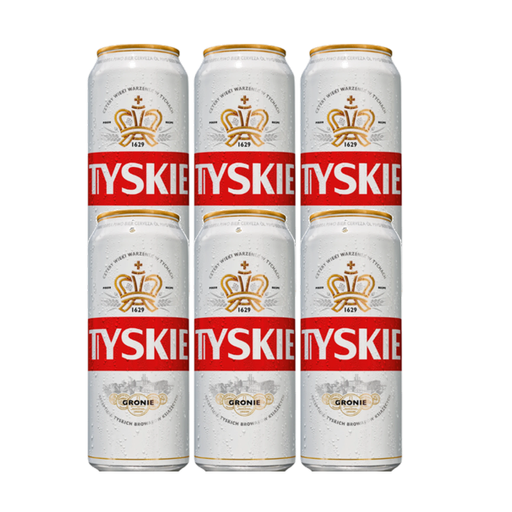
Why it suits this profile: A six-bottle pack lets you try Polish beer without buying a large quantity straight away. The 50 cl size is well suited to a longer get-together or a meal.
The pack size of six and the 50 cl bottle size are clearly stated. That makes it easier to judge what you’re buying than with a large pack when trying a beer for the first time.
5.6% alcohol; water, barley malt and hops listed as ingredients; six 50 cl bottles.
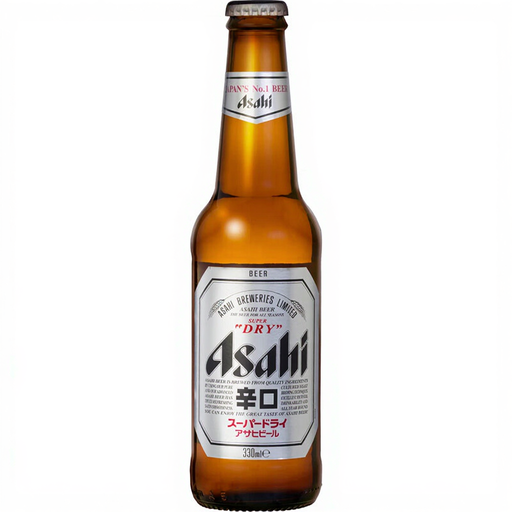
Why it suits this profile: This Japanese beer, in a 330 ml serving, is a good match for meals, sushi, ramen and other lighter dishes where a crisp lager is a welcome choice.
The product information lists the size, ingredients and alcohol content. So you don’t have to rely on “Japanese beer” as the only guide to your choice.
330 ml per bottle; 5.2% alcohol according to the product information, with barley listed as a gluten-containing allergen.
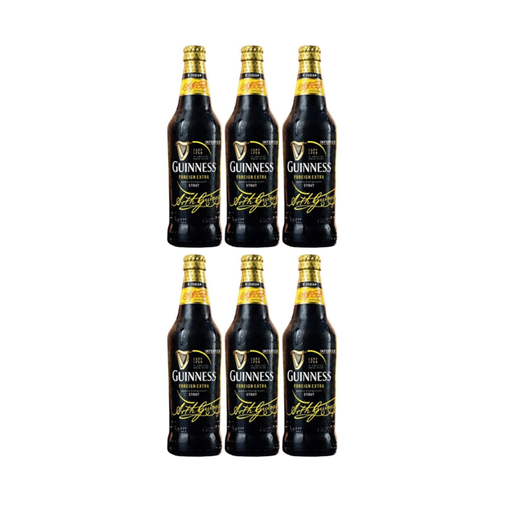
Why it suits this profile: This pack is aimed at stout fans who enjoy a stronger beer in a smaller bottle. The style pairs well with roasted dishes, stews or desserts.
The 7.5% alcohol content and 325 ml bottle size are clearly specified. That helps prevent a strong stout from being mistaken for an everyday lager.
Six 325 ml bottles; roasted barley, malt, hops and yeast according to the product information.
We’ve put together a full, up-to-date list of products that meet these strict selection criteria and the applicable European safety regulations.
It depends on the price per litre, packaging, delivery costs and any deposit or packaging charges. Divide the total price by the number of millilitres to compare packs fairly. A 24-pack can be handy for a party, but a smaller pack limits the risk of buying a beer you don’t enjoy.
Start by checking the beer style and alcohol content. Japanese lagers such as Asahi and Kirin are often available in 330 ml sizes. According to the product information, Thai beers such as LEO and Singha are described as lagers or pilsners and pair well with spicy Asian dishes. TYSKIE is a Polish lager with 5.6% alcohol. Use these details as a starting point, then check the ingredients on the product page.
Store bottles and cans in a cool, dry place, away from direct sunlight. Avoid significant temperature changes. Check the seal when your order arrives and look at the label for the best-before date. Don’t reseal an opened bottle and keep it for later; it’s best to pour your beer when you’re ready to drink it.
