
Vandaag of morgen in huis

Kwaliteit gegarandeerd

Welkomstaanbiedingen ontgrendelen: GRATIS bezorging | Tot 80% korting | Gratis 30 dagen JoyPlus-proefperiode
Download de app
If you want to buy yam products for noodles, breakfast, desserts or snacks, you’ll quickly come across a wide range of product types: fresh or dried Chinese yam, yam noodles, Chinese yam powder, purple sweet potato, taro balls and ready-to-eat congee. However, the name “yam” doesn’t automatically tell you how much yam is actually in the product or how to use it.
So pay particular attention to three common pitfalls:
Don’t just look at words like “yam”, “Huaishan” or “purple yam” on the front. Search the ingredients list for the exact amount. For example, Baixiang Yam Noodle 300g lists wheat flour, yam flour, salt and konjac flour. So the product also contains wheat and gluten.
According to the product information, Toyoung Huaishan Noodles 780G has yam powder added alongside wheat flour, salt and thickeners. This type of product suits someone looking for a noodle product with yam as an ingredient, but not someone who wants to buy purely dried Chinese yam.
Also watch out for allergens. Many yam noodles contain wheat, while sesame and black sesame products often list sesame. If you have an allergy, always check the current packaging.
The form of the product determines how much work you’ll have to do:
A pack of 200 to 300 grams is handy for trying out a product. Larger packs, such as 600 or 780 grams of noodles, are more worthwhile if you regularly cook Asian dishes.
For frozen products, check the temperature and instructions. According to the product information, Freshasia Three Colors Taro Ball 500g must be stored at -18 °C or below and should not be refrozen after thawing. The taro balls are cooked straight from frozen and, once cooked, are suitable for bubble tea, sweet soup or shaved ice.
For snacks, the nutritional value per 100 grams is relevant. According to the label, Ciweiagan Yam Crisps Tomato Flavour contains 5% yam and 538 kcal per 100 grams. That makes it a snack with yam as part of the composition, not a product that consists solely of yam.
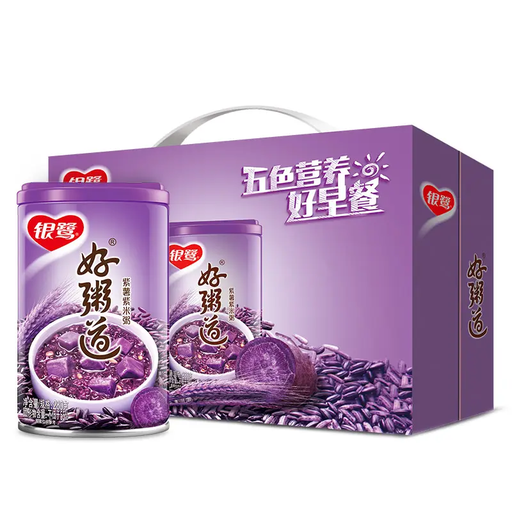
Why this fits the profile: This ready-to-eat congee is ideal for a quick breakfast or snack without any cooking. The portions come in individual 280-gram cans.
The product information clearly lists purple rice, purple sweet potato, grains and the allergen oat. You don’t need to soak or cook a dry ingredient first.
280 g per can, 12 cans per pack, and can be enjoyed cold or heated. Store in a cool, dry place.
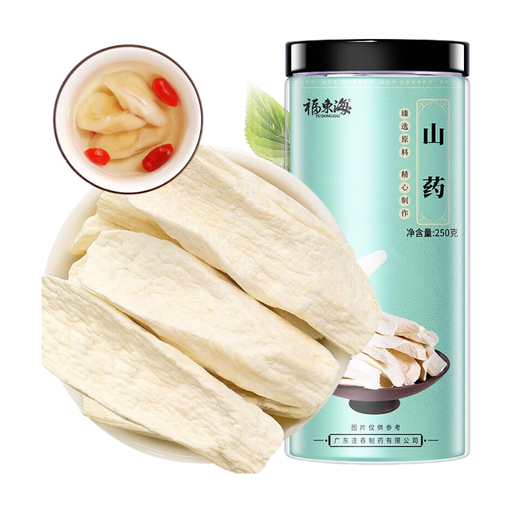
Why this fits the profile: If you like to prepare your own Chinese dishes, dried Chinese yam gives you a single ingredient that can be used in many ways.
The QUID declaration states 100% Chinese yam. This makes the composition clearer than with blended noodles or snacks.
250 g, suitable for congee, soup and stir-fry dishes. After opening, store airtight and dry; the packaging lists refrigeration as an additional option.
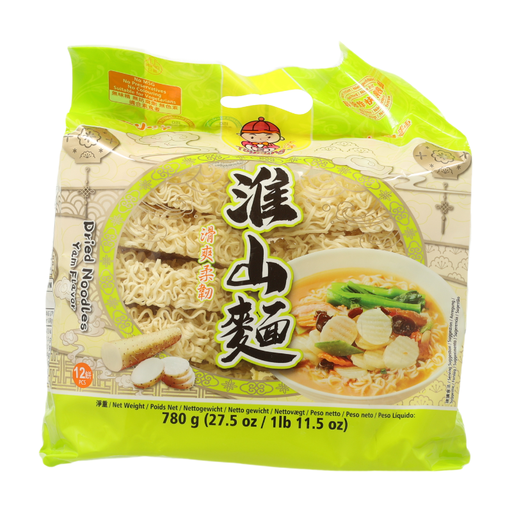
Why this fits the profile: The 780-gram pack is ideal for households that often make noodle soup, stir-fried noodles or cold noodle dishes.
The ingredients list explicitly states wheat flour, salt, Huaishan powder and thickeners. So you know these are blended noodles.
Cooking time of around 4 to 5 minutes, multiple preparation methods and resealable dry storage after opening.
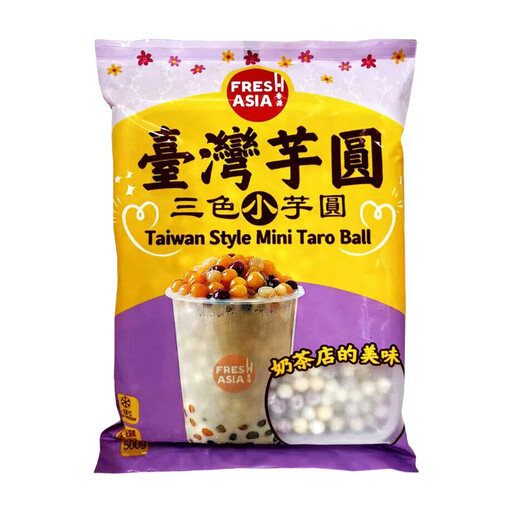
Why this fits the profile: These frozen taro balls are designed for bubble tea, sweet soups, shaved ice and other Asian desserts.
The preparation instructions are clear: add frozen, boil for 3 to 5 minutes, then leave to cook through for around 2 more minutes.
500 g, three flavours and storage at -18 °C or below. The packaging lists sulphites; check this if you have an allergy.
We’ve put together a full, up-to-date list of products that fully meet these strict selection criteria and comply with current European safety regulations.
Chinese yam, also known as Huaishan or Shan Yao, is a different ingredient from purple sweet potato. Chinese yam is often used dried in soups, congee and noodles. Purple sweet potato is common in sweet buns, snacks, congee and desserts. Check the ingredients list when you’re looking for a specific flavour or ingredient.
Most yam noodles need to be boiled in plenty of water. The exact cooking time varies by product: for the varieties mentioned, it’s roughly between 3 and 8 minutes. Follow the instructions on the pack, drain the noodles and use them in soup, a stir-fry or a cold salad. Eating them raw is not intended when the pack says “cooking required”.
Dry yam, yam powder, noodles and snacks should generally be stored in a cool, dry place away from direct sunlight. After opening, an airtight container is practical. Frozen products such as taro balls, purple yam and filled rice balls must stay frozen and should not be refrozen after thawing. Always check the best-before date and the current instructions on the packaging.
