
Vandaag of morgen in huis

Kwaliteit gegarandeerd

Welkomstaanbiedingen ontgrendelen: GRATIS bezorging | Tot 80% korting | Gratis 30 dagen JoyPlus-proefperiode
Download de app
If you want to buy wine online, you will soon come across dozens of grape varieties, countries, pack sizes and offers. An attractive price or appealing description does not always tell you everything you need to know. The right choice mainly depends on taste, occasion, format, alcohol content and the information on the label.
Words such as “fruity”, “full-bodied” and “refined” are useful as an initial guide, but taste is subjective. A full-bodied Primitivo, for example, is more likely to suit someone who enjoys dark fruit flavours and a firm structure than someone looking for a light, fresh wine.
Always check the grape variety, origin and recommended food pairings as well. A Verdejo from Rueda is generally described differently from a Chardonnay from France, but the exact flavour can vary by producer and vintage.
An offer may look appealing, but check the volume first. A standard bottle usually contains 750 ml. Wine is also available in individual bottles, cases of six, 1-litre bottles and small 200 ml portions. When comparing different pack sizes, compare the price per litre.
A case of six bottles is practical for regular use, but less suitable if you want to try a flavour first. For a gift or a one-off dinner, 750 ml wine may be a more manageable format.
The alcohol content varies from one wine to another. The range includes, for example, wines at 13,0%, 13,5%, 14,0% and 15,0% vol. Alcohol-free wine has different product specifications; check the stated percentage and ingredients on the product page.
Many standard wines contain sulphites or sulphur dioxide. This must be clearly stated on the label. If a product description says that a drink contains none of the 14 major EU allergens, always check this against the current packaging. Product information can change.
The grape variety provides a useful starting point:
Treat these descriptions as a guide rather than a fixed promise of flavour. According to the producer’s own information, the taste may also be described using notes such as melon, peach, citrus, cherries, blackcurrants or spices.
The origin helps you organise the selection. Spanish wine from La Mancha or Rueda has a different profile from Italian wine from Puglia. French wine, in turn, can be either fresh and light or rounded and fruity, depending on the grape and region.
Hungarian wine from Eger is also an option if you want to explore different European regions. As well as the country, look at the region and grape variety. The name of a region does not automatically tell you how sweet, acidic, full-bodied or light the wine will be.
Check the following before ordering:
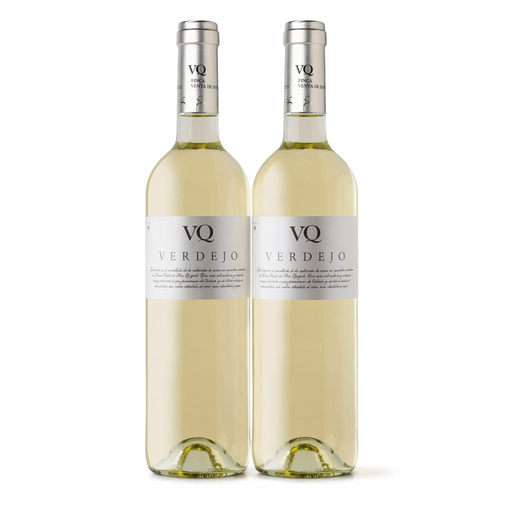
Why it suits this profile: A two-bottle pack gives you the opportunity to serve a fresh Spanish wine on different occasions without ordering a large case straight away.
The volume and grape variety are clearly stated: 100% Verdejo and two 750 ml bottles. This makes it easier to assess the price and quantity.
Described as fresh and fruity, with notes of melon, peach and citrus. According to the product information, it pairs well with tapas, white fish and salads.
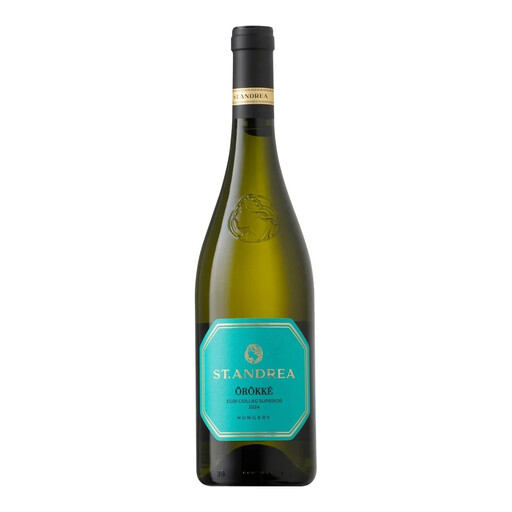
Why it suits this profile: For shoppers who value origin, region and serving information and are looking for a Hungarian white wine with a clearly described profile.
The product information states Eger as the region, 750 ml as the volume, 14,0% vol and sulphites as an allergen.
According to St. Andrea’s own information, this wine has notes of apple, lemon, herbs and flowers, with a fresh finish.
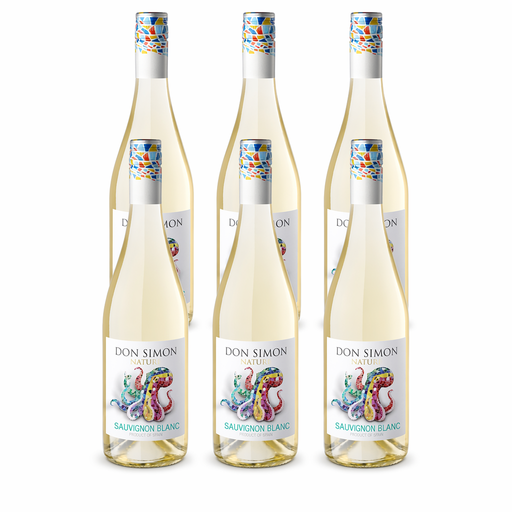
Why it suits this profile: A multipack is practical for households, dinners or gatherings where white wine is served regularly.
The packaging states that it contains six 750 ml bottles and is made from 100% Sauvignon Blanc. This makes the total quantity clear in advance.
Described as fresh and fruity, with sulphites listed as an allergen. Store according to the product information: in a dry, cool place.
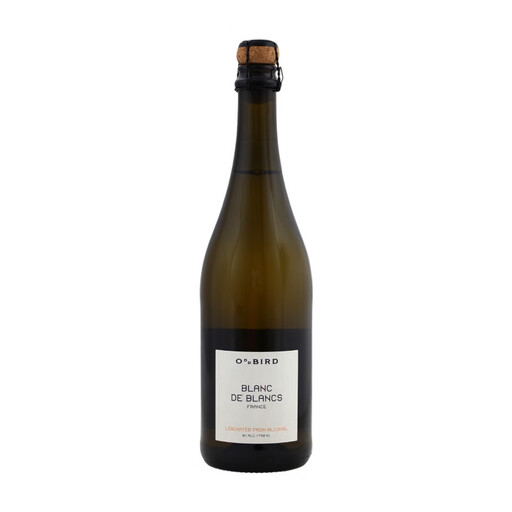
Why it suits this profile: An alcohol-free sparkling wine for celebratory occasions when not everyone wants to or can drink alcohol.
The product description explicitly states that this is an alcohol-free sparkling wine. Always check the current label before buying.
750 ml and a sparkling profile, intended for celebrations and special occasions without alcohol.
We have put together a complete, up-to-date list of products that fully meet these strict selection criteria and the applicable European safety regulations.
For a light meal, consider white wine such as Verdejo, Sauvignon Blanc or Chardonnay. These styles are linked in the product information with fish, salads, chicken, pasta and Asian dishes.
Fuller red wines, such as red wine made from Primitivo, Garnacha or a Cabernet blend, often pair well with grilled meat, pasta with a rich sauce or mature cheese. Rosé wine works well with light dishes, sharing platters and summer meals. With rosé, always check whether you are looking for a still or sparkling variety.
For a celebratory occasion, sparkling wine and alcohol-free alternatives are practical choices. A small bottle, such as Pierre Zéro Rosé in 200 ml, may be suitable when you want a single serving. The product information states 0,0% vol and a screw cap; check the ingredients and allergens on the packaging.
That depends on the offer, delivery costs, packaging and quantity. Compare the price per litre and consider whether you need a single bottle or a multipack. Wine offers are particularly worthwhile when the volume and format suit the way you plan to use them.
This varies depending on the type of wine, closure and storage method. Seal an opened bottle securely and store it according to the instructions on the packaging. Keeping it cool and away from direct sunlight helps preserve its quality as much as possible. Check the label for exact information.
Look for products clearly labelled alcohol-free or 0,0% vol. Oddbird Blanc de Blancs is a 750 ml sparkling option. Pierre Zéro Rosé is a smaller 200 ml alcohol-free rosé. Always check the current alcohol content, ingredients and allergens before ordering.
