
Vandaag of morgen in huis

Kwaliteit gegarandeerd

Welkomstaanbiedingen ontgrendelen: GRATIS bezorging | Tot 80% korting | Gratis 30 dagen JoyPlus-proefperiode
Download de app
Wide noodles are popular for stir-fries, noodle soup, hotpot and cold noodle dishes. Yet the range on offer often looks more similar than it actually is. One packet contains wheat noodles that need boiling, while another is an instant meal with sachets of sauce. The difference between wide rice noodles, glass noodles, udon and wheat noodles also affects texture and preparation.
If you only look out for words like “chewy”, “authentic” or “quick to cook”, you could end up buying a product that doesn’t suit the dish you have in mind. So pay close attention to ingredients, cooking time, portion size and allergens.
The shape doesn’t tell you everything about the texture. Noodles made from wheat flour usually have a firm bite. Noodles made from sweet potato, tapioca or corn starch are more glossy, elastic and smooth. If you expect a noodle soup with a firm wheat texture, you could be disappointed by a soft vermicelli.
Some instant noodles need to be soaked in boiling water for 5 to 6 minutes. Other wide noodles need to be boiled in a pan for 3 to 9 minutes. Nature’s Best Harvest Udon, for example, recommends boiling for around 5 minutes. Also check whether the water needs to be drained or whether it stays as part of the soup.
With spicy noodles, Sichuan noodles and Hong Kong-style varieties, a large part of the meal consists of oil, sauce and seasoning sachets. This means the salt content per prepared portion can vary significantly. Check the nutritional information and allergens such as wheat, soya, sesame, peanuts and mustard before you order.
For a firm base in stir-fries, dried wide wheat noodles are practical. According to the product information, Hui Ji You Ni Yi Mian Handmade Noodles are made from wheat flour, water and salt. Chen Ke Ming Classic Wide Noodles use wheat flour, starch and salt. This composition suits noodle soup, stir-fries and sauces.
Wide rice noodles and vermicelli often contain sweet potato, tapioca or corn starch. According to the ingredients list, Yang Zhang Gui YES Wide Vermicelli combines sweet potato, tapioca and corn starch. This gives a different, smoother and more springy texture than classic Chinese wide noodles.
Look out for three practical points:
Always use boiling water and follow the packet instructions. Raw or insufficiently soaked noodles can remain hard.
For a quick single meal, portions of 110 to 265 grams are handy. For families, meal prepping or regular stir-frying, packs of 400 to 800 grams are more practical. After opening, check the storage instructions. Many products should be eaten immediately after preparation. A bulk pack is only good value if you can use the noodles within the stated shelf life.
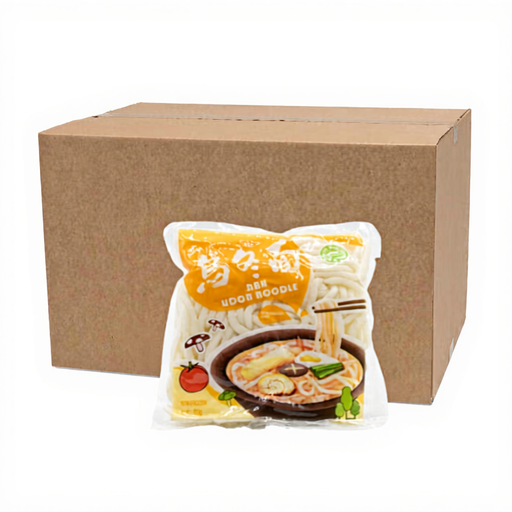
Why this fits the profile: The individual 200-gram portions are easy to plan for families and beginners who want to make udon without much preparation.
The preparation is clear: boil, stir-fry or add to hotpot for around 5 minutes. You don’t need to buy separate sauce or seasoning.
30 portions of 200 g; suitable for boiling, stir-frying and hotpot. Contains wheat.
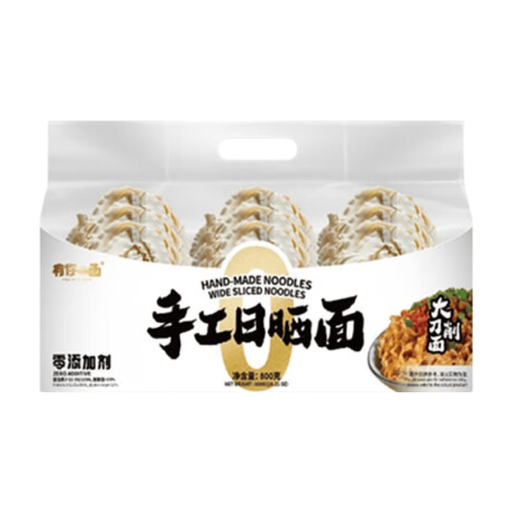
Why this fits the profile: The simple ingredients list and wide sliced shape suit home cooks who want to decide their own sauce, broth and toppings.
The packaging states a cooking time of around 6 minutes. So this isn’t an instant product with a pre-determined flavour, but a base for multiple dishes.
800 g; wheat flour, water and salt; suitable for soup or sauce.
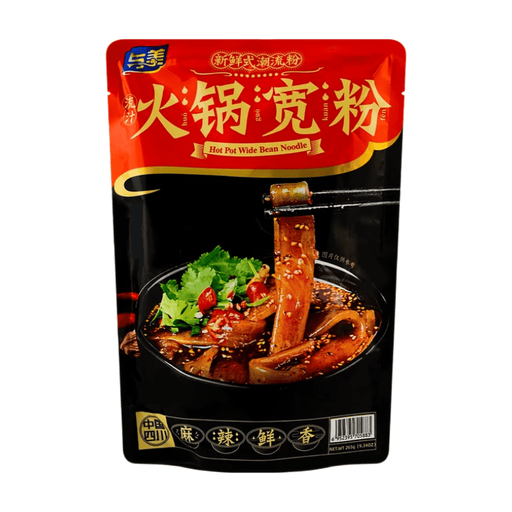
Why this fits the profile: The combination of sweet potato and tapioca starch is designed for an elastic texture that suits hotpot and spicy noodles.
The instructions state 3 to 5 minutes of boiling. This means you can adjust the texture yourself rather than relying on a general “chewy” claim.
265 g; sauce and seasoning sachets included; contains soya, sesame and wheat/gluten according to the product information.
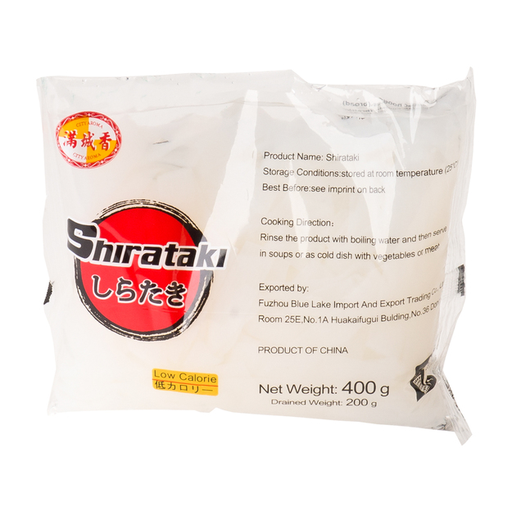
Why this fits the profile: According to the product information, these wide shirataki noodles are made from water and konjac powder and have a neutral flavour for sauces and stir-fries.
The ingredients list is short. This means you know the flavour will come mainly from your own broth, stir-fry sauce or toppings.
400 g; neutral flavour; allergen-free according to the product information.
We’ve put together a full, up-to-date list of products that fully meet these strict selection criteria and comply with current European safety regulations.
Wide wheat noodles such as Hui Ji, Chen Ke Ming or Zhenla Belt Noodles are suitable for stir-fries because they can be mixed with sauce and vegetables after boiling. Cook them for slightly less time if they will be cooked further in the wok.
Udon noodles are typically thick, round wheat noodles. Wide noodles are often flat or ribbon-shaped. The exact texture depends on the ingredients and thickness. So check both the shape and the base, for example wheat flour or starch.
Store uncooked noodles according to the packaging in a cool, dry place and keep them well sealed. Cooked noodles and mixed instant noodles are best eaten immediately. Products with sauce sachets often state that the meal should not be stored after opening.
