
Vandaag of morgen in huis

Kwaliteit gegarandeerd

Welkomstaanbiedingen ontgrendelen: GRATIS bezorging | Tot 80% korting | Gratis 30 dagen JoyPlus-proefperiode
Download de app
Anyone looking to buy whole mung beans is usually after a versatile ingredient for Asian dishes, vegan meals or home-grown sprouts. However, not every pack is intended for the same use. Choosing the wrong product can result in beans that take too long to soften, a pack that does not match your usage or a product that is unsuitable for sprouting.
This practical buying guide helps you compare mung beans, packaging, preparation methods and product information without being swayed by vague marketing claims.
The wording on the packaging makes a difference:
If you are looking for mung beans for sprouting, a whole variety is usually the obvious choice. However, check that the product description or packaging actually mentions this use. Beans intended for cooking are not automatically certified as sprouting seeds.
According to the nutritional information provided, mung beans contain, among other things, protein, carbohydrates and fibre. However, this says nothing about their taste, cooking time, bean size or suitability for a particular recipe. You should also check:
A brand’s claims about quality or performance are not established facts. According to Sunlee’s product information, the beans consist of 100% whole mung beans and are free from artificial colourings and preservatives. Always check this information on the product packaging.
A 400-gram bag may seem good value, but it is not always the most economical choice if you cook regularly. Compare the price per 100 grams and consider how much you actually use. For an occasional mung bean soup, 400 grams is practical. If you cook several times a week or want to build up a stock, you may want to consider a larger pack or multipack.
Whole mung beans are generally a better choice than peeled varieties for a hearty soup, curry or salad. For porridge, desserts or a smooth mung bean paste, split or peeled beans are more convenient.
Pay attention to the exact product name. “Green mung bean”, “whole mung bean” and “moong whole” usually refer to green, whole mung beans. “Split” means split. “Peeled” means peeled. These terms are more important than words such as “premium” or “selected”, because they tell you directly about the form of the product.
A 400 g pack of mung beans is suitable for smaller households, meal prepping and trying out new recipes. On Joybuy, you can find products including Sunlee Whole Mung Bean, 400 grams, and HUASEED Mung Beans, 400 grams.
When buying a multipack, always check the total weight. For example, Yanzhifang Mung Beans are offered as 460 grams × 2. This is a different purchase from a single 400-gram bag, even if both search results use similar terms.
Dried mung beans should be washed and cooked. A short soaking time can make preparation easier, but follow the instructions on the packaging. HUASEED states: soak first, then bring to the boil and simmer over a low heat until the beans are soft and fully cooked.
Store an opened pack sealed in a cool, dry and well-ventilated place, away from moisture and direct sunlight. Do not use the product if the packaging is damaged. Raw, dried beans are not ready-to-eat food.
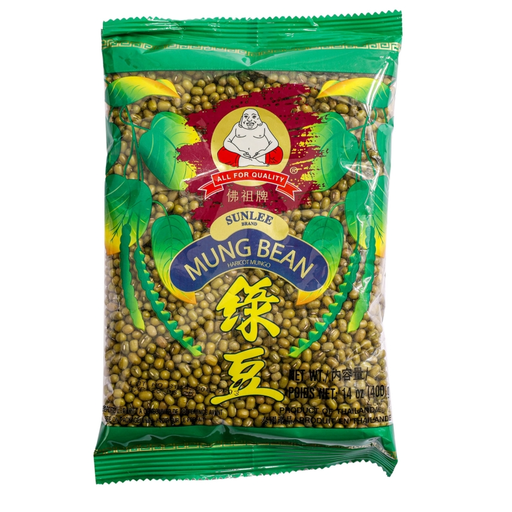
Why it suits this profile: The 400-gram pack is easy to manage if you are using mung beans for the first time in soup, porridge or a vegan meal.
The product name clearly states “whole mung bean”, so you are unlikely to confuse this variety with a peeled or split bean.
400 g net weight; ingredients: whole mung beans. According to the product description, suitable for soup, porridge, desserts and sprouting, among other uses.
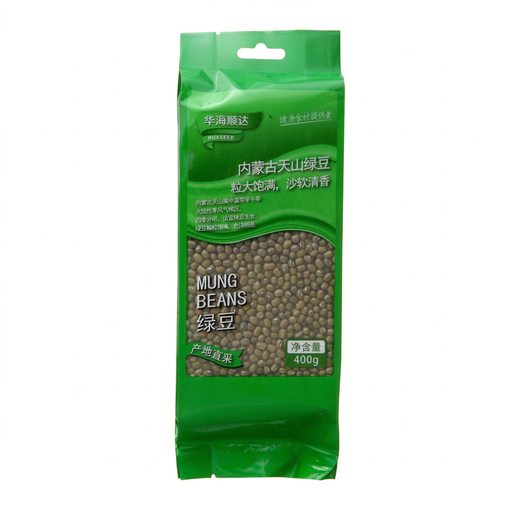
Why it suits this profile: Suitable for home cooks who carefully measure the beans based on the cooking instructions and nutritional information.
The instructions mention soaking, boiling and further cooking. This makes it clear that it is a dried cooking product, not a ready-to-eat bean.
400 g pack; per 100 g, the label states 22.7 g protein and 64.7 g carbohydrates. Ingredient: mung beans.
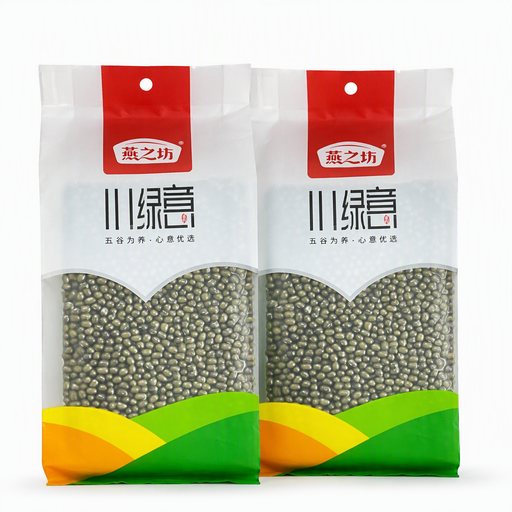
Why it suits this profile: The double pack is a good fit for households that regularly prepare mung bean soup, porridge or other dishes with dried mung beans.
The total weight is clearly stated as 460 g × 2. This makes it easier to assess the stock quantity and price per 100 grams.
Two 460 g bags; the label states 24.5 g protein per 100 g. The product information recommends soaking for 2 to 4 hours before cooking.
We have put together a complete, up-to-date list of products that fully meet these strict selection criteria and the applicable European safety regulations.
For vegan mung beans, you can combine them with rice, noodles, tofu, pumpkin or leafy greens. For a sweet preparation, sugar, coconut milk and pandan work well. Allow the beans to cook completely before using them in a dish.
Want to sprout mung beans? Only use a product whose packaging or product information supports this use. Work hygienically, rinse the sprouts regularly and follow food safety instructions. Store home-grown sprouts in the fridge and eat them fresh.
This varies depending on the type, age and soaking time. Mung beans generally soften more quickly after soaking. Allow plenty of cooking time and check the texture as they cook. The instructions on the packaging should always be followed.
Whole green mung beans are often used to grow bean sprouts or other sprouts. That does not mean that every bag of dried mung beans is intended for this purpose. Check whether “mung beans for sprouting” is explicitly stated and follow hygienic preparation instructions.
Unopened dried mung beans can be kept until the best-before date on the packaging, provided they are stored somewhere dry and away from direct sunlight. Once opened, seal the bag securely or transfer the beans to an airtight storage container. Discard the beans if there is moisture, mould, an unusual smell or damaged packaging.
