
Vandaag of morgen in huis

Kwaliteit gegarandeerd

Welkomstaanbiedingen ontgrendelen: GRATIS bezorging | Tot 80% korting | Gratis 30 dagen JoyPlus-proefperiode
Download de app
When you buy whole milk, you often only look at the brand and price. Yet the products differ clearly in shelf life, packaging, fat content and use. A litre of chilled milk isn’t right for every household, while a bulk pack of milk powder can be inconvenient if you rarely use milk.
The most common buying mistakes are:
Chilled whole milk is intended for daily use and must be kept refrigerated after purchase. Long-life whole milk has been UHT-treated so it can be stored unopened outside the fridge for longer. UHT stands for a very short heating at a high temperature. Always check the packaging for the exact shelf life and storage instructions.
A 1-litre pack is practical for a small household. For families or business users, a multipack such as 4 x 1 litre can reduce the number of times you need to order. Just work out how much milk you actually use.
With organic whole milk, look for the organic certification mark and the information on the packaging. The BIO+ UHT Whole Milk - 1 L is described in the product information as organic long-life whole milk. The ingredients list states organic whole milk. On receipt, check the label, the seal and the best-before date.
An organic label doesn’t automatically mean the milk is better suited to coffee, baking or a large family. Also consider the packaging, nutritional values and storage time.
Jersey milk comes from Jersey cows and, according to the product description from Holland Jersey, has a higher natural fat and protein content than regular milk. Jersey Creamy Milk states 6 g of fat and 4.2 g of protein per 100 g. By comparison, Campina Whole Milk states 3.6 g of fat and 3.7 g of protein per 100 ml.
That difference can be relevant if you’re looking for a fuller flavour or a firm foam structure. The claim about the difference from regular milk comes from the brand’s product information and should not be read as a general nutritional claim. Check the current packaging for the exact composition.
Milk powder is handy when you want to store milk for longer or also use the product for baking, sauces and hot drinks. With whole milk powder, you need to look at:
Peak Instant Full Cream Milk Powder 900 g x 4 states a minimum of 28% milk fat and added vitamins A and D. Nestlé Nido products also state whole milk powder and soya lecithin. According to the product information, these products are not suitable as food for children under 12 months. Always follow the preparation instructions on the label.
Whole milk generally contains more fat than semi-skimmed or skimmed milk. The exact value varies by product. Campina Whole Milk states 3.6 g of fat and 3.7 g of protein per 100 ml. Jersey Creamy Milk states 6 g of fat and 4.2 g of protein per 100 g. For coffee, desserts and sauces, a higher fat content can give a different texture.
Compare nutritional values per 100 ml or 100 g. That way you avoid mistakenly comparing packs with different units of measurement.
Check whether you’re buying UHT whole milk or chilled milk. Store unopened long-life milk according to the packaging in a cool, dry place, away from direct sunlight and heat. After opening, this milk should generally be kept in the fridge and used within the stated period.
For milk powder, a well-sealed pack is important. Moisture can affect solubility and quality. The actual date and period after opening are on the packaging and can vary by batch.
Regular milk contains milk as an allergen. Some milk powders also contain soya lecithin. Coffee creamer may contain stabilisers such as E339 or E407. Peak Unsweetened Evaporated Milk contains, according to the product information, whole milk, vitamin D and stabiliser E339. This product is unsweetened but more concentrated than regular drinking milk.
Lactose-free whole milk is a separate variant. Melkan Lactose Free Whole Milk is offered as lactose-free whole milk. Check the label if you need to avoid lactose and note that “lactose-free” is not the same as free from all milk components.
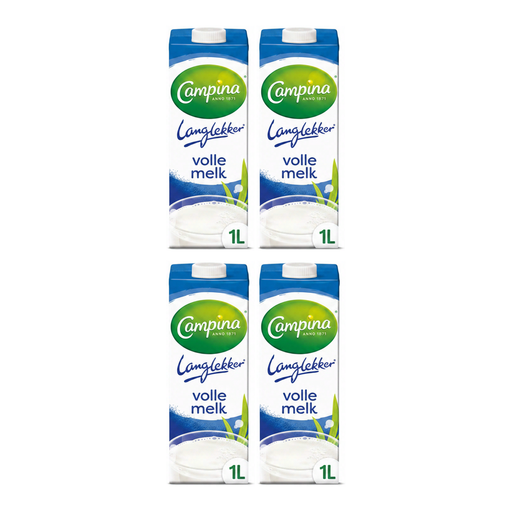
Why this suits the profile: A multipack is practical for households that regularly drink milk, make porridge or bake. The 1-litre portions are easy to manage.
The packaging makes the total quantity clear. You don’t have to open a larger 1.5-litre bottle straight away.
Four 1-litre packs; 3.6 g fat and 3.7 g protein per 100 ml according to the product information.
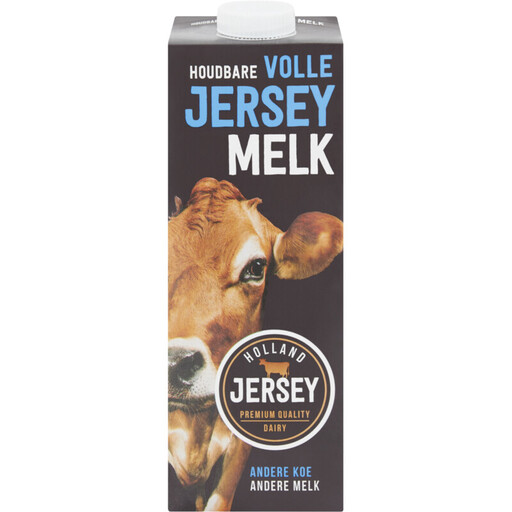
Why this suits the profile: Ideal for anyone looking for a whole milk variant with a higher stated fat and protein content for coffee, desserts or daily drinking.
The nutritional values are clearly stated, so you don’t have to rely solely on words like “creamy”.
6 g fat, 4.2 g protein and 140 mg calcium per 100 g according to the product information.
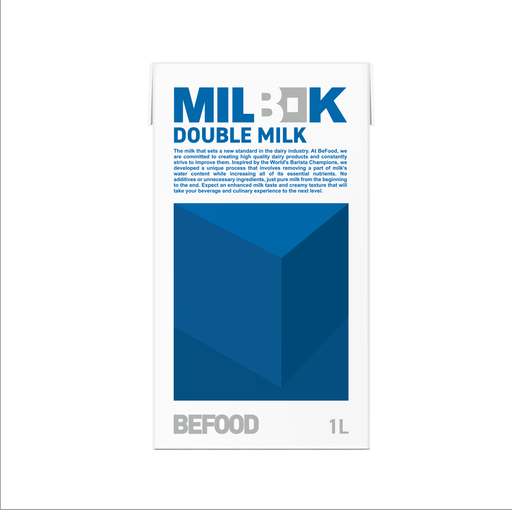
Why this suits the profile: For home baristas and business users who steam milk for cappuccino, flat white, matcha or chocolate drinks.
The product states a clear use, storage advice and steaming temperature. This makes it less suitable for shoppers who only want regular drinking milk.
5.0 g fat and 5.5 g protein per 100 ml; according to the product description, made from 100% cow’s milk with no additives or preservatives.
We’ve put together a full, up-to-date list of products that fully meet these strict selection criteria and comply with current European safety regulations.
Not always. Compare the price per litre and take into account pack size, delivery costs and waste. A multipack can be good value if you use it regularly, but a smaller pack is better suited to a household that doesn’t drink much milk.
This varies by product. Store opened milk in the fridge and follow the time stated on the packaging. For Jersey Creamy Milk, the product information states a maximum of three days after opening at a maximum of 7 °C. When in doubt, use the label as a guide and check the smell, appearance and packaging.
Regular whole milk can be used, but some products are specifically designed for frothing. Friesche Vlag Latte Milk states it was developed together with baristas and contains 4.1 g of fat and 3.7 g of protein per 100 ml. MILBOK Double Milk states 5.0 g of fat and 5.5 g of protein per 100 ml. These are product specifications and brand claims; the result also depends on temperature, milk frother and technique.
