
Vandaag of morgen in huis

Kwaliteit gegarandeerd

Welkomstaanbiedingen ontgrendelen: GRATIS bezorging | Tot 80% korting | Gratis 30 dagen JoyPlus-proefperiode
Download de app
A whiteboard seems like a simple purchase, until you get one that's covered in stains after a month or falls off the wall. Whether you're looking for a planning board for the family, a whiteboard for home to organize your thoughts, or a professional board for the office, the wrong choice leads to frustration. Many whiteboards look the same in the store, but the differences in quality are significant.
Before you buy a whiteboard, it's wise to know the most common pitfalls:
To avoid these problems, it's helpful to pay attention to a few key specifications. This will help you choose an erasable board that suits your needs.
The material of the writing surface is the most important factor for its lifespan and ease of use. The two most common materials are:
magnetic whiteboard. The steel surface is coated with a special white lacquer. For normal use (daily writing and erasing), this is an excellent choice. However, quality can vary. A good lacquer coating will remain easily erasable for years, while a cheaper version will show stains more quickly.whiteboard office environment like schools and universities. The surface is fired at a high temperature, making it scratch-resistant and non-porous. This makes it extremely durable and impervious to "ghosting." These boards are typically more expensive but last significantly longer with intensive use.Think carefully about the available space and the purpose of the board.
planning board. They fit easily in a kitchen or home office.Also, always check if the board is magnetic if you plan to do more than just write. A magnetic whiteboard is much more versatile because you can also use it as a bulletin board for documents, photos, or planning tools.
Based on objective specifications, we have selected a few popular choices that suit different needs.

Why This Fits Their Persona: Perfect for the kitchen or hallway. Compact enough for shopping lists, reminders, or hanging a few photos. A practical and affordable starting point for anyone looking to add more structure at home.
This board is explicitly magnetic, so you won't face the 'non-magnetic surprise'. The lacquered steel surface is suitable for less intensive home use.
Compact size (50x35 cm), ideal for small spaces. Comes with mounting hardware, a marker, an eraser, and magnets.
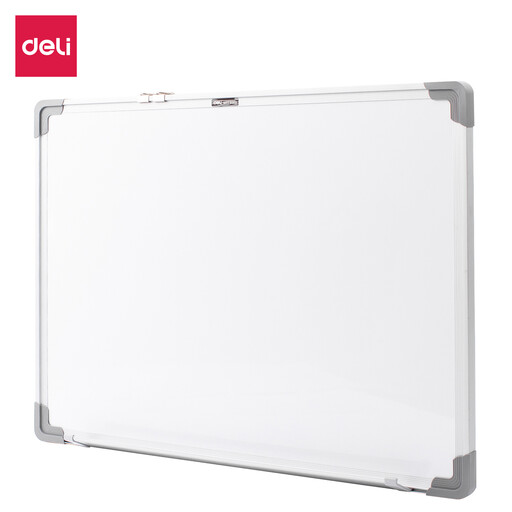
Why This Fits Their Persona: This size (45x60 cm) offers a good balance between compactness and writing space. It's ideal as a personal planning board in a home office or dorm room for tracking tasks, deadlines, and ideas.
The aluminum frame provides a sturdier construction than many plastic alternatives, making it less likely to warp. This addresses the 'flimsy construction' pitfall.
Practical size (45x60 cm) for personal use. The dry-erase surface is designed for regular use in an office or study environment.
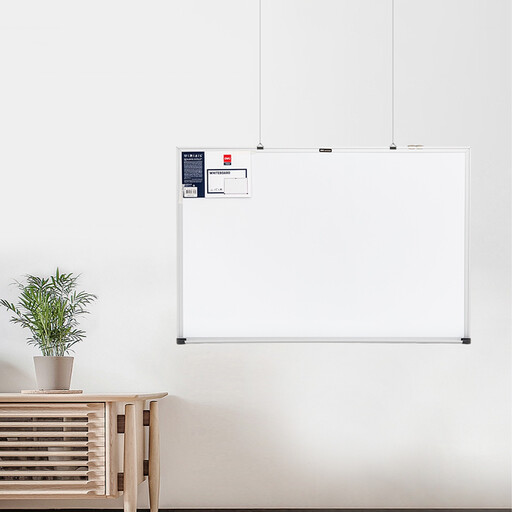
Why This Fits Their Persona: For a professional `whiteboard office`, a large surface is essential. This 150x90 cm board provides ample space for brainstorms, presentations, and project planning with the entire team.
Its large size and sturdy construction are specifically designed for office use. This prevents the frustration of a board that's too small, where you constantly run out of space during a meeting.
Large size (150x90 cm) for group work. The surface is designed for intensive use, which reduces the risk of premature wear and 'ghosting'.
Looking for an alternative specifically for hanging documents, receipts, or photos? A bulletin board is a great addition. A model like the Deli Notice Board 1200x900mm offers plenty of space for physical notes and inspiration alongside your whiteboard.
We have compiled a complete, up-to-date list of products that meet these selection criteria and comply with current safety regulations.
For daily cleaning, a dry eraser is sufficient. For stubborn stains or a deep clean, you can use a special whiteboard cleaning spray with a microfiber cloth. Do not use abrasive or harsh cleaning agents, as they can damage the lacquer coating and actually worsen the staining problem. For notes that need to stay up for a long time, erase and rewrite them weekly to minimize ink burn-in.
For most people, yes. The added functionality of using documents or magnetic accessories is very convenient and makes the board much more versatile. The additional cost is often minimal. Only if you are absolutely certain that you will use the board solely as a writing surface should you consider a non-magnetic version (often made of melamine) to save costs.
A whiteboard has a smooth, erasable surface intended for writing with special markers. A bulletin board has a soft surface (usually cork or felt) where you can pin documents, photos, and notes with thumbtacks. A magnetic whiteboard can function as a sort of combination of both, but a bulletin board is better suited for hanging multiple or heavier paper items.
