
Vandaag of morgen in huis

Kwaliteit gegarandeerd

Welkomstaanbiedingen ontgrendelen: GRATIS bezorging | Tot 80% korting | Gratis 30 dagen JoyPlus-proefperiode
Download de app
If you want to buy whey protein, you will soon come across dozens of tubs featuring terms such as isolate, hydrolysate, BCAAs and “high protein”. However, the packaging does not always tell you what is relevant to your needs. A large logo, numerous claims or an eye-catching flavour says little about the number of grams of protein per serving, the ingredients and the total cost per shake.
Three common pitfalls are:
Whey protein powder is a food supplement, not a substitute for a varied diet. So check the label information first, and only then consider the brand, flavour or marketing claims.
Compare products on the same basis. A 25-gram serving is not directly comparable with a 40-gram serving. Pay attention to:
A protein powder containing a lot of protein does not automatically have the right composition for your needs. According to the product information, Optimum Nutrition Gold Standard provides approximately 24 grams of protein per serving. The Platinum Hydro Whey variants provide 30 grams per 40-gram serving. Applied Nutrition ISO-XP lists 22.5 grams of protein per 25-gram serving.
The main types have different characteristics:
The choice between whey concentrate, whey isolate, hydrolysate, clear whey and casein therefore depends on flavour, nutritional values, mixing method and when you intend to use it. None of these variants makes training or a balanced diet unnecessary.
Always check whether the product contains milk and, where applicable, soya. Some variants may also contain traces of gluten, egg, nuts or peanuts. If you are sensitive to particular ingredients, check the packaging; formulations can change.
Also pay attention to the preparation instructions. Some powders are mixed with 180–240 ml of water or milk, while others recommend 300–400 ml of liquid. According to the product information, clear whey sometimes needs to stand for a short while after shaking to allow the foam to disappear. This is relevant if you want to prepare a protein shake quickly after exercising.
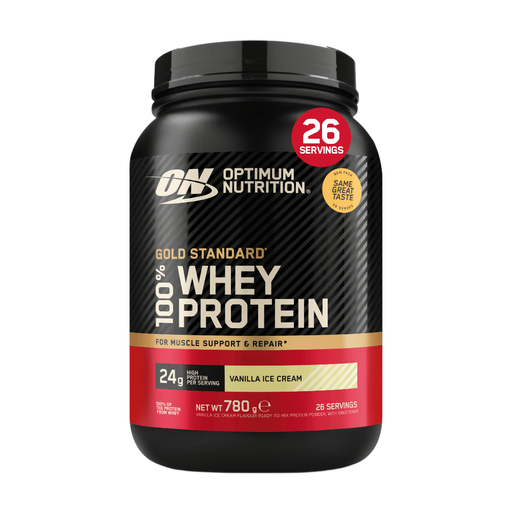
Why it suits this profile: The approximately 780-gram pack is a straightforward option for anyone trying whey protein powder for the first time and not wanting to commit to a large pack straight away.
The product information clearly states the serving size, nutritional values and mixing ratio: approximately 24 grams of protein per serving of around 31 grams, mixed with 180–240 ml of liquid.
Whey blend with isolate, concentrate and hydrolysed whey; approximately 24 grams of protein per serving; available in several flavours and pack sizes.
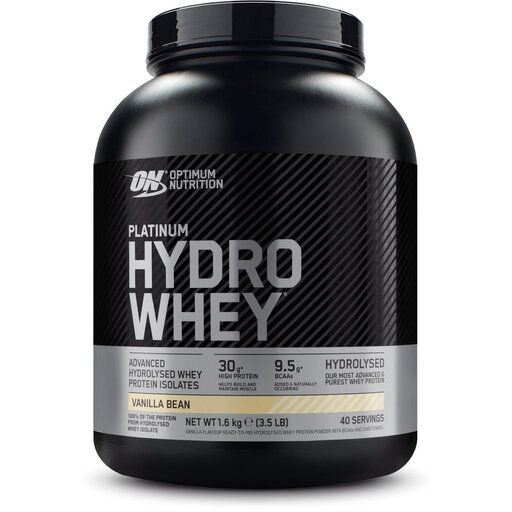
Why it suits this profile: This large pack is aimed at adults who train regularly and want to use a consistent daily protein shake.
The formulation lists hydrolysed whey protein isolate as its base, with 30 grams of protein per 40-gram serving and approximately 40 servings per pack.
30 grams of protein per serving; 1.6 kg contents; available in Milk Chocolate and Vanilla Bean.
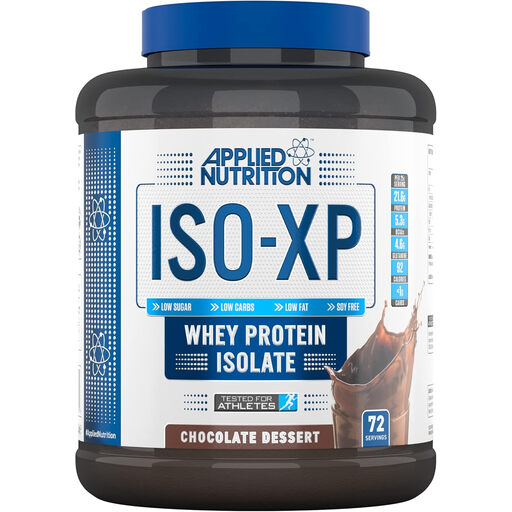
Why it suits this profile: Suitable for athletes who consider a high protein content per 100 grams and low levels of carbohydrate and fat important.
The product information states 90 grams of protein per 100 grams, 22.5 grams per 25-gram serving, 0.1 grams of carbohydrate and 0.4 grams of fat per serving.
1.8 kg pack; approximately 72 servings; whey isolate as the main ingredient; sunflower lecithin as an emulsifier.
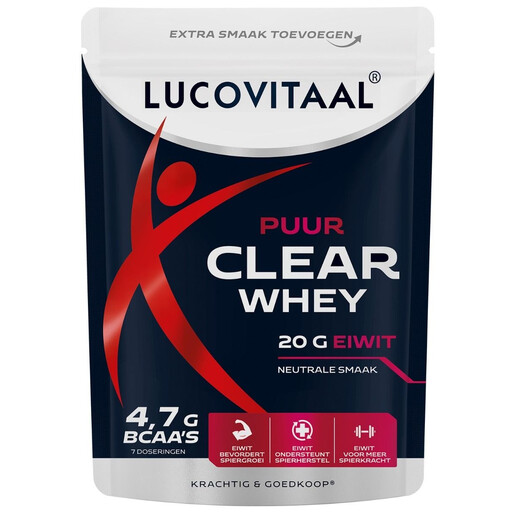
Why it suits this profile: Clear whey is a good choice if you want to alternate a lighter, lemonade-style drink with a traditional creamy shake.
The product information states 20 grams of protein per serving and advises leaving the shake to stand for approximately two minutes after mixing.
Whey isolate as the base; approximately 20 grams of protein per serving; 175 grams of contents; suitable for preparation with 250 ml of water.
We have put together a complete, up-to-date list of products that fully meet these strict selection criteria and the applicable European safety regulations.
Mix the recommended amount of powder with the quantity of water or milk stated on the label. A shake can be used after exercising, but also at another time when you want to add extra protein to your daily diet. Your total protein intake and regular meals remain more important than following a strict timing schedule.
Store the powder tightly sealed, in a dry place and away from direct sunlight. Follow the use-by or best-before date on the packaging. Always use a dry scoop and check the smell, colour and texture if the product has been open for an extended period.
Calculate the cost per shake by dividing the price of the pack by the number of servings. Then compare the protein per serving as well. A larger pack may provide more servings, but it is only practical if you genuinely use the flavour and formulation regularly.
