
Vandaag of morgen in huis

Kwaliteit gegarandeerd

Welkomstaanbiedingen ontgrendelen: GRATIS bezorging | Tot 80% korting | Gratis 30 dagen JoyPlus-proefperiode
Download de app
If you’re looking to buy whey protein, you’ll quickly come across dozens of brands, flavours and pack sizes. But a large tub covered in bold claims doesn’t automatically mean the product will suit your diet. The difference often comes down to the protein source, nutritional values per serving, ingredients and price per shake.
For adults who exercise or want to increase their daily protein intake, a protein shake can be a convenient option. However, it’s still a food supplement, not a replacement for a varied diet.
A product may show a high protein percentage per 100 grams but contain a small serving. So always compare:
For example, a 1.6 kg tub with 40 servings may work out differently from a 930 g pack with 31 servings, even if the prices look similar at first glance.
Terms such as “fast absorption”, “premium” or “maximum recovery” aren’t always directly comparable. Look at the actual ingredients. According to the product information for Optimum Nutrition Gold Standard, for example, the formula combines whey isolate, whey concentrate and hydrolysed whey protein peptides.
That’s easier to verify than a general claim on the front of the pack. Claims about muscle growth and maintenance should be considered in the context of adequate protein intake, exercise and a balanced diet.
Most whey products contain milk. Many varieties also contain soya, for example as lecithin to help the powder mix more easily. Some flavours may also contain gluten, egg, peanuts or nuts due to being made in a facility that handles these ingredients.
So always check the current label before buying. A product containing lactase isn’t automatically lactose-free or suitable for everyone with lactose intolerance.
A blend can combine several protein sources. That doesn’t automatically make a product suitable for everyone, but it may suit those looking for a versatile formula.
A practical comparison starts with the nutrition table. The range includes products with:
Also check sugar, fat, salt and calories. A vanilla-flavoured protein powder or chocolate-flavoured protein powder may have different nutritional values from an unflavoured version due to flavourings, cocoa, biscuit pieces or creamer.
Work out the price per serving rather than looking only at the pack price. A smaller bag or sachet is handy for trying a flavour. A pack of around 2 kg may be more practical if you use it frequently, but only if the flavour and ingredients suit you.
Follow the preparation instructions on the label. The recommended amount of liquid varies by product. Water keeps the powder’s nutritional values roughly the same, while milk adds extra calories, protein and carbohydrates.
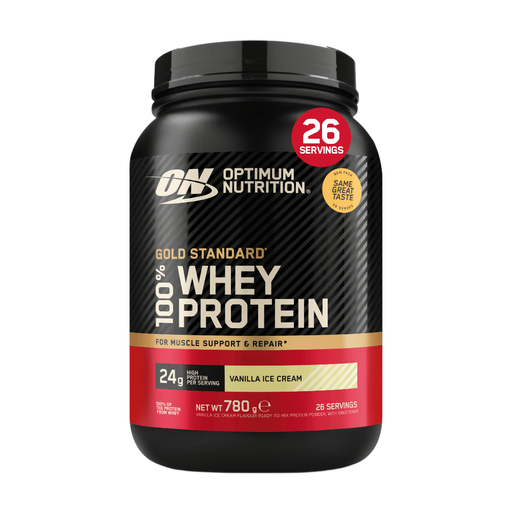
Why it suits this profile: The 780-gram pack is a manageable size for anyone who wants to try a familiar flavour and formula before buying a larger supply.
The product information lists 24 grams of protein per serving of around 30 grams and approximately 26 servings per pack. This makes it easier to work out the price per shake.
Whey blend with isolate, concentrate and hydrolysed whey protein; available in vanilla flavour and designed to mix with water or milk.

Why it suits this profile: This formula is based on whey isolate and suits athletes who focus on protein content and keeping sugar and fat to a minimum.
The table lists 25 grams of protein, less than 1 gram of carbohydrates and less than 0.5 grams of fat per 31-gram serving. Check the current pack for the exact values.
930 g pack; around 31 shakes; whey isolate listed as the protein source; vanilla flavour.
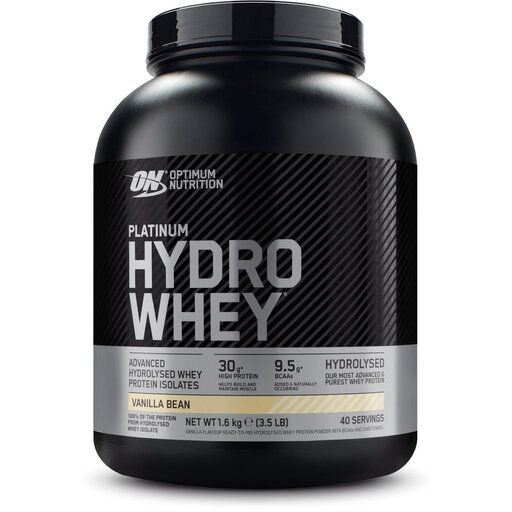
Why it suits this profile: The large pack, with around 40 servings, is a good fit for athletes who use protein shakes regularly and want to buy them less often.
The product description specifies hydrolysed whey protein isolate and gives clear serving information: 40 grams of powder provides 30 grams of protein.
1.6 kg pack; around 40 servings; 30 grams of protein per serving; available in Vanilla Bean.
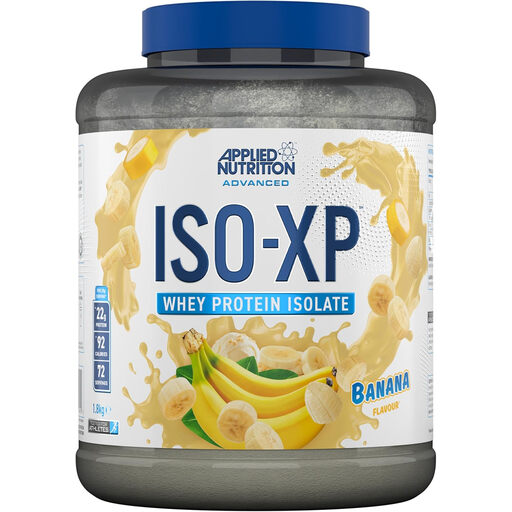
Why it suits this profile: The stated nutritional values are aimed at users who want to add very little fat, carbohydrates or sugar with each shake.
The product information lists 22.5 grams of protein per 25-gram serving, with 0.24 grams of fat and 0.09 grams of carbohydrates per serving.
97% whey isolate as the main ingredient according to the product information; around 72 servings in a 1.8 kg pack; banana flavour.
We’ve put together a full, up-to-date list of products that meet these strict selection criteria and current European safety regulations.
It varies by product. Many varieties use around 25 to 40 grams of powder per serving. Check the scoop size and nutrition table on the label. Adjust your total daily protein intake to suit your diet, body weight, activity level and personal goals.
Not necessarily. According to product labels, whey isolate often contains less fat and carbohydrates, while concentrate can be a practical everyday choice for many users. Compare the price, nutritional values, ingredients and allergens with your own preferences.
Follow the best-before date and store the powder according to the manufacturer’s instructions. This usually means keeping it tightly sealed in a cool, dry place, away from direct sunlight. Use a dry scoop and check the product for changes in smell, lumps or appearance after opening. If in doubt, follow the label or the manufacturer’s advice.
