
Vandaag of morgen in huis

Kwaliteit gegarandeerd

Welkomstaanbiedingen ontgrendelen: GRATIS bezorging | Tot 80% korting | Gratis 30 dagen JoyPlus-proefperiode
Download de app
Looking to buy whey protein for muscle growth, maintaining muscle or getting extra protein after exercise? You’ll soon come across terms such as ‘fast absorption’, ‘premium blend’ and ‘BCAA whey protein’. These claims don’t always tell you enough about what you’re actually buying. The useful information is usually on the nutrition label: protein per serving, the type of whey, sugar content and allergens.
Use this practical guide to compare whey protein powder using facts you can check. That way, you can avoid paying mainly for a large tub, an eye-catching flavour name or a claim that doesn’t suit how you plan to use it.
A high protein percentage may sound appealing, but check the serving size and number of servings too. A powder with 24 grams of protein per serving may be more suitable in practice than one with a higher percentage but a small or unclear serving size.
Also look at the differences between:
For example, Nestlé Instant Resource Protein is a casein-based nutritional product for dietary management in cases of malnutrition. That doesn’t automatically make it suitable as a regular post-workout protein shake. Always check the product’s intended use and target audience on the packaging.
A sweet-tasting product can still be low in sugar, but this varies between flavours. Check the ‘of which sugars’ value per serving rather than relying on the claims on the front of the pack.
As a guide, the available product information states:
If you’re looking for low-sugar protein powder, compare the carbohydrate and calorie content too. This will give you a more complete picture.
A 2-kilogram pack isn’t a bargain if you soon tire of the flavour or find the powder difficult to mix. A smaller pack or sachet can be a practical way to try a flavour first.
Check the allergens too. Many whey products contain milk, and some contain soya from lecithin. A product containing lactase isn’t automatically lactose-free or suitable for everyone with lactose intolerance. Always read the latest product packaging.
For a protein powder for muscle growth, protein per serving is a sensible place to start. In the selection shown, this ranges from around 20 to 25 grams per serving. Always compare like with like: per serving and per 100 grams.
Under an authorised European health claim, protein contributes to the growth and maintenance of muscle mass. This doesn’t mean a shake alone causes muscle growth. Training, your overall diet, recovery and daily protein intake all remain important.
A whey protein isolate may suit athletes who want to keep the fat, sugar and carbohydrate content of each shake low. Optimum Nutrition 100% Gold Standard Isolate lists 25 grams of protein, less than 0.5 grams of sugar and less than 0.5 grams of fat per 31-gram serving.
A blend of concentrate, isolate and hydrolysate may offer a broader product composition. Optimum Nutrition Gold Standard Whey and Applied Nutrition Critical Whey use these combinations. Don’t rely on the word ‘isolate’ in the name alone; check the ingredients list and nutrition table.
Work out the cost per serving rather than looking only at the price of the tub. A 930-gram pack with 31 servings is different from a 2-kilogram bag with a different serving size.
Check the mixing instructions too:
A recovery protein shake can be convenient after exercise, but you can also have whey between meals if you find it difficult to meet your daily protein needs otherwise.

Why it suits this profile: The smaller pack is handy if you want to try a flavour or a regular whey blend before buying a large tub.
The pack contains around 10 servings, so you can try the flavour and see how well it mixes before buying a large tub. The product information lists around 24 grams of protein per serving.
Small pack, suitable for different occasions and, according to the product information, easy to mix with water or milk.

Why it suits this profile: A good choice for athletes who prioritise high protein per serving and low sugar and fat.
The product information gives specific values: 25 grams of protein, less than 0.5 grams of sugar and less than 0.5 grams of fat per 31-gram serving.
Whey isolate as the protein source, 31 servings and a nutritional profile suited to shakes for those watching their sugar and fat intake.
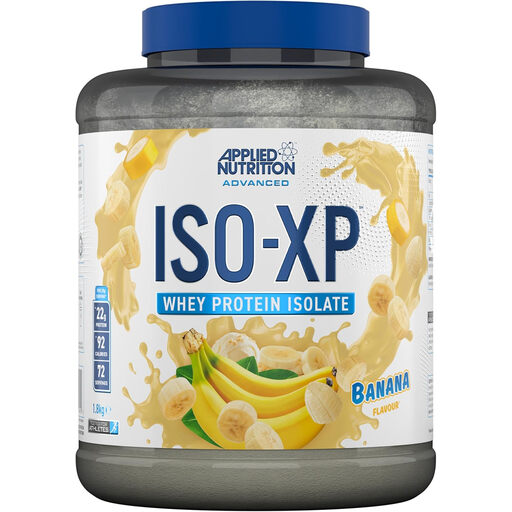
Why it suits this profile: A large pack with servings of around 25 grams is a good fit for athletes who train regularly and often have a shake.
The nutrition information lists 22.5 grams of protein, 0.09 grams of sugar and 0.24 grams of fat per 25-gram serving. The ingredients list states 97% whey isolate.
1.8-kilogram pack, whey protein isolate and, according to the product information, sunflower-based lecithin to help it mix.
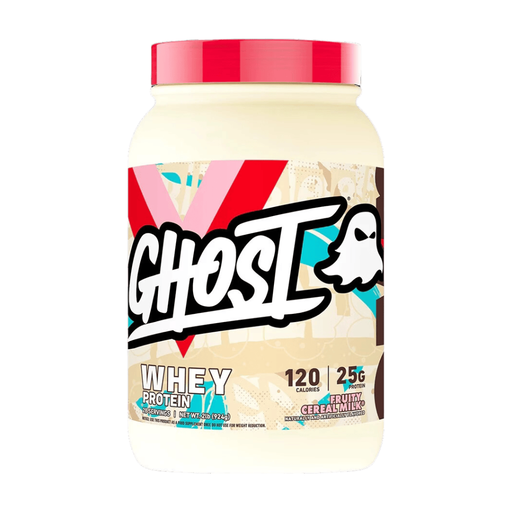
Why it suits this profile: The distinctive flavour and blend of three types of whey may appeal if variety and convenience matter to you.
The product information lists 25 grams of protein, 1 gram of sugar and around 28 servings of 32 grams. It also clearly lists milk and the presence of lactase.
25 grams of protein per serving, a blend of isolate, concentrate and hydrolysate, and can be mixed with water, milk or another drink.
We’ve put together a complete, up-to-date list of products that meet these strict selection criteria and the applicable European safety regulations.
You can have a shake after exercise as a convenient way to supplement your daily protein intake. The exact timing matters less than your overall diet throughout the day. Follow the serving instructions on the label, and don’t use whey as a replacement for a varied diet.
The use-by date is shown on the packaging. Keep the powder tightly sealed in a dry place, away from direct sunlight and moisture. Always check the current use-by date and, after opening, make sure the smell, colour and texture still seem normal.
The cost per serving depends on the price, pack size and recommended serving size. Divide the price by the number of servings, then compare the protein content per serving. A large pack is only practical if you enjoy the flavour and use the product regularly.
