
当日/次日达

品质保障

开启新人专享福利: 全场免邮 | 低至 2 折 | 免费试用 30 天 JoyPlus 会员
下载 Joybuy
When you’re looking to buy wet wipes, you’ll quickly notice lots of similar-looking packs. Yet moist towelettes vary considerably in material, moisture content, ingredients, size and use. A wipe for a baby’s skin needs different properties from a cleansing wipe for on the go or a disposable washcloth after exercise.
What’s more, the packaging can be misleading. So it’s best to focus on verifiable information on the label and product page.
The term soft doesn’t automatically describe the material, thickness or strength. A thin wipe may feel pleasant but can tear more easily during cleaning. Instead, look at the stated fibres, the size and any information about thickness or texture.
For the face, facial wipes with a soft, low-lint texture are practical. For the body, larger, moist disposable washcloths can be more convenient.
A product claim should always be read in the right context. According to some brands’ product descriptions, certain wipes are fragrance-free, suitable for sensitive skin or biodegradable. That doesn’t mean every product is suitable for every skin type.
When checking wipes for sensitive skin, always look at:
If you’re unsure about an ingredient, it’s wise to test a small area of skin first and follow the instructions on the packaging.
A family pack with hundreds of wipes may look appealing, but it’s only good value if you use them within the shelf life and after opening according to the instructions. An opened pack can dry out if the closure doesn’t seal properly. So compare the price per wipe and look at the number of individual packs.
For baby wipes, make-up remover wipes and daily facial cleansing, the material matters directly. Cotton, viscose, lyocell and plant-based non-woven fibres each have a different texture. Cotton facial wipes can be used both dry and damp, whereas pre-moistened wipes are ready to use straight away.
Also pay attention to the dimensions. A wipe measuring roughly 20 × 20 centimetres offers more coverage for the face and hands than a small wipe for spot cleaning.
If you want to avoid fragrance, it’s a good idea to check the label rather than just relying on the front of the pack. WaterWipes, for example, lists a formula with more than 99% water and aloe vera according to the product description. BC Babycare mentions an unscented composition including purified water, glycerine and citric acid.
These are product details from the brands and not a guarantee of a particular skin reaction. Stop using the product if redness, itching or irritation occurs, and contact a healthcare professional if symptoms persist.
A resealable pack helps keep the remaining wipes moist. Individual or smaller packs are suitable for a nappy bag, sports bag or hand luggage. Large bulk packs are better suited to families who use lots of wipes every day.
Always dispose of used wipes in the bin, even if the packaging uses terms like “biodegradable”. Most moist towelettes should not be flushed down the toilet, as they can cause blockages. Also check whether the product is intended for skin contact; cleaning wipes are not a substitute for baby wipes or facial wipes.
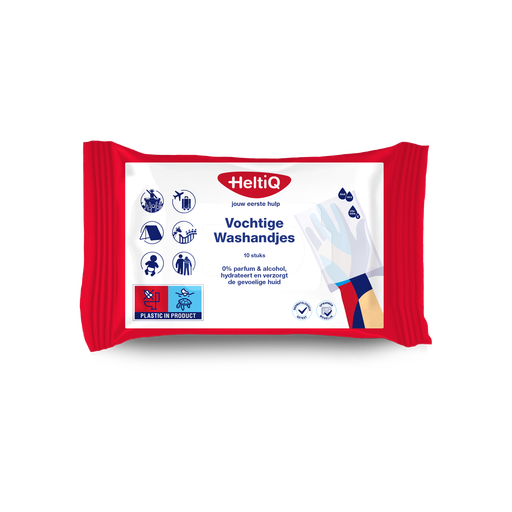
Why this fits the profile: This compact pack is straightforward for anyone wanting to try wet wipes first or only using them occasionally on the go.
The quantity of 10 wipes limits waste from having too large a stock. The resealable pack helps prevent drying out, according to the product information.
Pre-moistened, suitable for body cleansing and, according to the product description, can be warmed following the stated safety instructions.
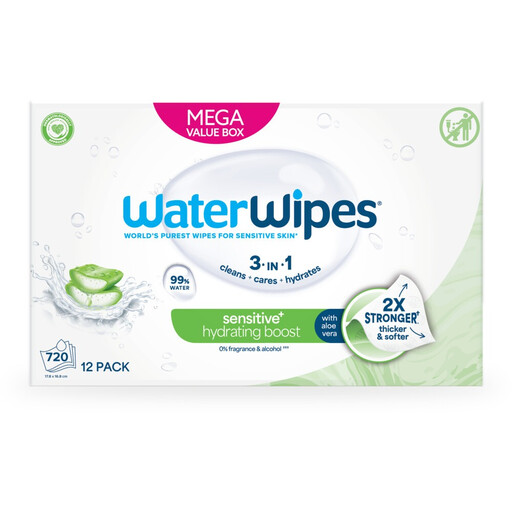
Why this fits the profile: The bulk pack with 12 packs of 60 wipes is practical for families who use baby wipes regularly.
The product description states fragrance-free wipes with more than 99% water and aloe vera. Always check the current packaging before use.
720 wipes spread across multiple packs; according to the product information, plastic-free and biodegradable.
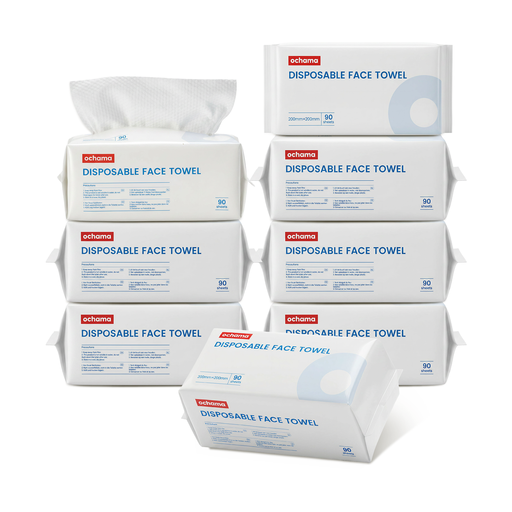
Why this fits the profile: The combination of 720 sheets, eight packs and both dry and wet use suits a family with multiple daily applications.
The product description states an unscented viscose and lyocell fibre and makes clear that the sheets are not flushable.
Pearl texture, can be used dry or wet, and a stock of 720 sheets for face, hands and daily hygiene.
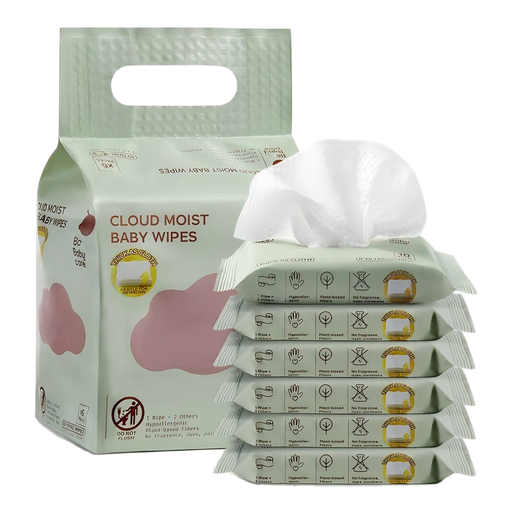
Why this fits the profile: According to the product description, these wipes are unscented and intended for use with babies and sensitive skin.
The product information mentions plastic-free cellulose fibres and a resealable pack. The claim about OEKO-TEX should be checked on the product label.
60 wipes spread across six small packs; according to the product description, unscented and made from biodegradable cellulose fibres.
We’ve put together a full, up-to-date list of products that fully meet these strict selection criteria and comply with current European safety regulations.
Look for a short, clear ingredients list and check whether the product is fragrance-free. According to the product description, WaterWipes, BC Babycare and certain Ochama wipes mention features that suit sensitive skin. This is brand information, not a guarantee for every user. If in doubt, test carefully and stop if irritation occurs.
This varies by product and packaging. Store wipes in a cool, dry place, seal the pack immediately after use and follow the expiry information on the label. A pack that dries out or whose smell, colour or texture changes is best not used.
No, not automatically. Biodegradable refers to the breakdown of the material under certain conditions and does not mean the wipe is suitable for the sewer system. So always dispose of used moist towelettes in the bin, unless the packaging explicitly states otherwise.
