
Vandaag of morgen in huis

Kwaliteit gegarandeerd

Welkomstaanbiedingen ontgrendelen: GRATIS bezorging | Tot 80% korting | Gratis 30 dagen JoyPlus-proefperiode
Download de app
Dutch tap water is of high quality. Nevertheless, more and more people are considering buying a water filter. The reasons vary: a smoother taste for coffee and tea, reducing limescale buildup in appliances, or simply the desire to avoid plastic bottled water. However, the water filter market is filled with clever marketing and unclear specifications. As a Joybuy Product Recommendation Officer, I'm here to help you separate fact from fiction.
Before you buy a water filter, it's important to recognise three common pitfalls that can unnecessarily drive up costs:
To avoid making a bad purchase, it's best to focus on a few objective criteria. These specifications determine whether a water filter is right for your household.
Not all filters are created equal. The most common types are:
Look beyond the brand of the pitcher or system. Some manufacturers, like VIVREAL, intentionally make their pitchers compatible with cartridges from other well-known brands, such as a Brita filter. This gives you more flexibility and can be more cost-effective in the long run. For coffee machines, it's crucial to verify that the filter cartridge is suitable for your specific model (e.g., De'Longhi, Philips Saeco).
Certifications from independent bodies like NSF International provide an indication of performance. Look for the following standards:
These certifications are not a guarantee of perfect water, but they do show that the product has been tested against objective industry standards.
To help you with your choice, we have selected a number of products that suit different needs and budgets.
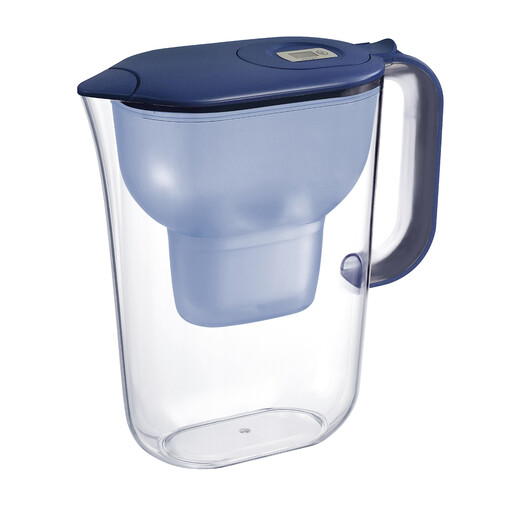
Why This Fits Their Persona: Ideal for anyone trying a water filter for the first time. This pitcher is affordable, easy to use, and fits in most refrigerator doors. Perfect for 1- to 2-person households looking to improve the taste of their drinking water.
The pitcher is compatible with Brita filters, so you aren't locked into a single brand. This bypasses the pitfall of expensive, proprietary cartridges and gives you freedom of choice.
The built-in electronic timer reminds you to replace the filter, eliminating guesswork. The BPA-free ABS material is durable and safe for daily use.
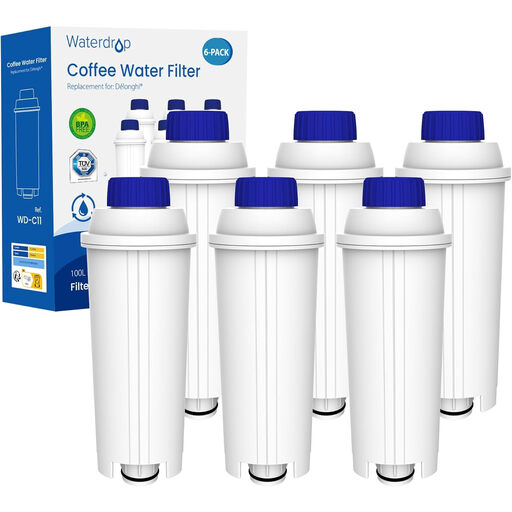
Why This Fits Their Persona: For the coffee enthusiast who wants to protect their expensive espresso machine from limescale. This filter is specifically designed as a compatible replacement for De'Longhi machines, helping to extend the appliance's lifespan.
This product comes in a value pack of 6, which significantly lowers the cost per filter compared to buying individual, original brand filters. This makes it an economically sound choice.
The filter uses ion-exchange resin and activated carbon to reduce limescale and chlorine. According to a third-party test, this improves the taste of the coffee and prevents limescale buildup.
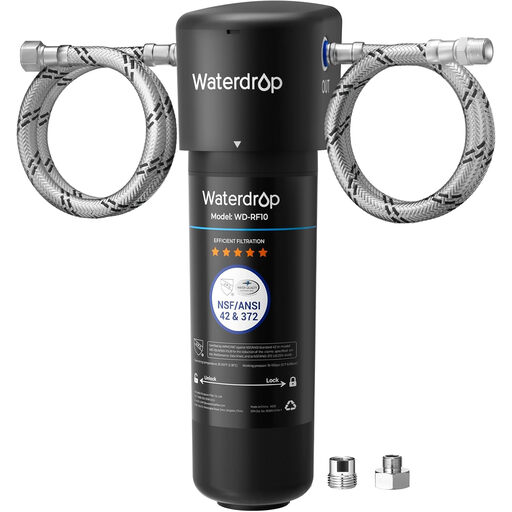
Why This Fits Their Persona: For families or heavy users who want a 'set it and forget it' solution. This under-sink system delivers a constant stream of filtered water directly from the tap, without the hassle of refilling a pitcher.
Although the initial investment is higher, this system has an extremely long lifespan (up to 30,000 litres). This results in a very low cost per litre and avoids the cycle of frequent and expensive cartridge purchases.
This system is certified to NSF/ANSI 42 and 372. According to the manufacturer, it effectively reduces chlorine, heavy metals, and PFAS, PFOA/PFOS. The installation is designed for DIY convenience.
We have compiled a complete, up-to-date list of products that meet these strict selection criteria and regulations.
This depends on the filter type, your water consumption, and your water's hardness. For a water filter pitcher, the general guideline is every 4 weeks or after 100-150 litres. An under-sink system can last for 6 to 12 months or thousands of litres. Always follow the manufacturer's recommendation and pay attention to any changes in taste or flow rate.
Yes, many water filters contain ion-exchange resin specifically designed to reduce the minerals that cause limescale (calcium and magnesium). A good limescale filter can noticeably extend the lifespan of your kettle and coffee machine and reduce the need to descale.
Strictly speaking, no. Dutch drinking water is among the safest in the world. A water filter is a personal choice. People choose them to soften the taste (less chlorine), reduce limescale, or for extra peace of mind about purity. It's a way to make good water even better suited to your personal preference.
