
Vandaag of morgen in huis

Kwaliteit gegarandeerd

Welkomstaanbiedingen ontgrendelen: GRATIS bezorging | Tot 80% korting | Gratis 30 dagen JoyPlus-proefperiode
Download de app
At first glance, choosing a vitamin drink seems straightforward. However, fruit drinks with added vitamins, hydration products and dietary supplements vary greatly in their composition, serving size and intended use. If you only look at the front of the packaging, you could end up buying a product that doesn't suit your daily routine, workout or family needs.
1. “With vitamins” tells you nothing about the amount
A multivitamin drink may contain one or several vitamins, but the dosage differs from brand to brand and per serving. Always check the nutritional information table: look at the amount per 100 ml and per bottle, can, sachet or shot. A product with a large volume can work out differently per serving compared with a concentrated supplement.
2. A fruity taste is mistaken for a high fruit content
A vitamin drink can contain fruit juice, fruit juice from concentrate, flavourings or a combination of these. Capri-Sun Multivitamin, for example, states 10% fruit content, whereas Mela Watermelon Drink contains 99% watermelon juice according to the product information. Both are fruit drinks with vitamins, but they have a different composition and taste experience.
3. A sports drink is not automatically a hydration product
A sweetened drink with vitamins is not the same as an electrolyte drink. For use around intense exercise, sodium, potassium, magnesium and the serving size are the relevant details. A sugar-free sports drink may appeal to those who want to consume less sugar, but also check how many electrolytes are present per can or sachet.
Look at which vitamins have actually been added. Common ingredients include vitamin C, vitamin E, niacin and B vitamins. Supplements may also contain vitamin D, calcium, zinc or selenium.
Brands may only communicate health information within current European regulations. Any claim about energy, fatigue or normal body functions must align with permitted nutrition and health claims. Therefore, do not describe product properties as having a medical effect. According to the product information, Applied Nutrition's NA11 Hydration Drink contains magnesium, potassium, niacin and vitamin B12; the exact amount is stated per can.
Compare sugars per 100 ml and per total serving. Roosvicee Multivit Peach states 6.1 grams of sugar per 100 ml. Capri-Sun Multivitamin states 7.1 grams of sugar per 100 ml. According to the product table, the NA11 Hydration Drink contains 0 grams of sugar per 330 ml can and 7 kcal per can.
Also pay attention to terms such as sugar-free, no added sugar and sweetened with sweeteners. These are not synonyms. Always check the ingredients list to see whether it contains sugar, erythritol, steviol glycosides or sucralose, for example.
A 1.5-litre bottle is suitable for home use or sharing with the family. Small cans, shots and sticks are more practical on the go. With a supplement, the recommended dosage is especially important. The Electrolytes Hydration Stick Packs are designed to dissolve one stick in 200 to 500 ml of water, with a maximum of one stick per day according to the product information.
Furthermore, an electrolyte drink is not the same as a pre-workout drink. According to the product description, C4 Pre-Workout contains 150 mg of caffeine per serving and is intended for healthy adults. This makes it less suitable for children, pregnant women, people who are sensitive to caffeine or for use just before bedtime.
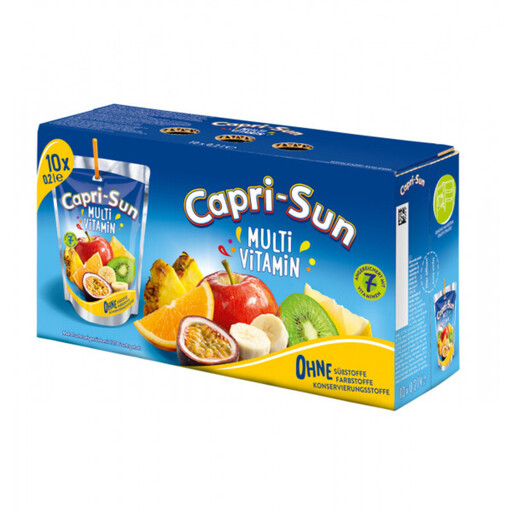
Why this fits the profile: The 200 ml single-serving pack is convenient for home, on the go or in a lunchbox. According to the product information, the drink contains a blend of fruit concentrates and vitamins.
The packaging clearly states 10% fruit content and 7.1 grams of sugar per 100 ml, so you don't have to rely solely on the term multivitamin.
10 packs of 200 ml; according to the product information, no artificial sweeteners, preservatives or colourings.
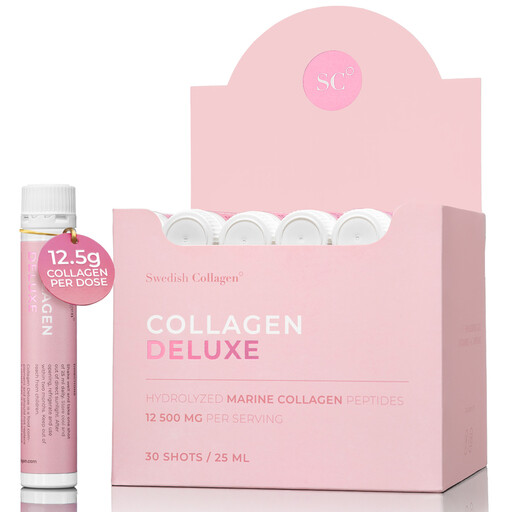
Why this fits the profile: This is a concentrated collagen drink format for adults who prefer a fixed daily portion over a large bottle.
The portion is clearly measured: 25 ml per shot. The product information states 12,500 mg of hydrolysed marine collagen per serving and warns of the possible presence of fish.
30 individual shots; according to the product information, also contains hyaluronic acid, vitamin C, biotin and vitamin D.
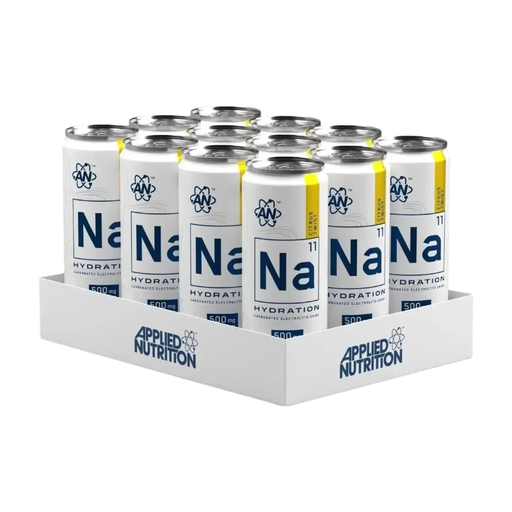
Why this fits the profile: A 330 ml can is designed for use around training, on the go or during longer periods of exertion. According to the product information, each can contains 500 mg of sodium, 190 mg of potassium and 56 mg of magnesium.
The electrolyte amounts and 0 grams of sugar per can are specified. This allows you to distinguish the product from an ordinary sweetened vitamin drink.
7 kcal per can; lightly sparkling; contains magnesium, potassium, niacin and vitamin B12 according to the product table.
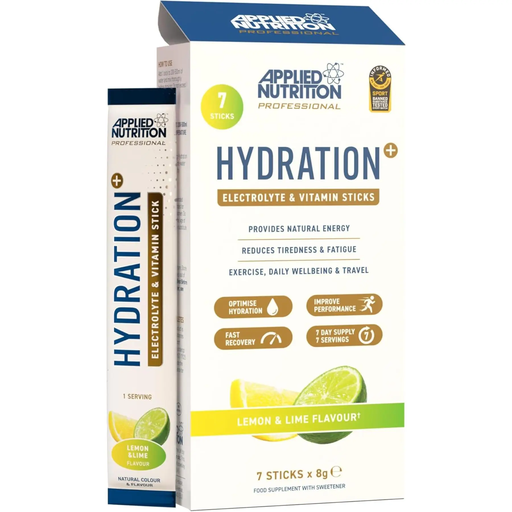
Why this fits the profile: The individual sticks take up very little space and can be mixed with water. This makes them ideal for a sports bag, suitcase or desk drawer.
The dosage is not hidden in a large bottle: according to the product information, one stick contains approximately 1,190 mg of electrolytes and should be dissolved in 200 to 500 ml of water.
7 added vitamins; approximately 10 kcal and 0.6 grams of sugar per stick; according to the product information, suitable for vegans.
We have compiled a full, up-to-date list of products that fully meet these strict selection criteria and comply with current European safety regulations.
That depends on the composition and the serving size. An ordinary fruit drink with vitamins is not a substitute for water, vegetables or fruit. With dietary supplements, you should follow the recommended daily amount and not unnecessarily combine multiple products containing the same vitamins. If in doubt, check the label or ask a doctor or pharmacist for advice.
A multivitamin drink is primarily focused on added vitamins and flavour. An electrolyte drink contains minerals such as sodium, potassium, chloride, calcium and magnesium. The second category is often chosen around sport or prolonged exertion. Always look at the amounts per serving; the name alone does not provide enough information.
Follow the storage instructions on the packaging. Many fruit drinks need to be refrigerated after opening and consumed within the stated period. Store unopened products in a cool, dry place away from direct sunlight. When ordering, always check the best-before date, ingredients and warnings, as recipes and packaging information may change.
