
Vandaag of morgen in huis

Kwaliteit gegarandeerd

Welkomstaanbiedingen ontgrendelen: GRATIS bezorging | Tot 80% korting | Gratis 30 dagen JoyPlus-proefperiode
Download de app
By a Joybuy Product Recommendation Officer
In many regions, sunshine can be a rare sight, especially during autumn and winter. For this reason, health authorities advise various groups to take a vitamin D supplement. But when you search online to 'buy vitamin D', you're flooded with options: capsules, gummies, high dosages, and combinations with vitamin K. How do you choose the product that's right for you?
This guide is designed to help. We'll lay out the facts and highlight some popular choices, so you can make an informed decision without getting lost in marketing jargon.
Before you add a bottle to your shopping cart, it's helpful to consider a few things. Your personal situation and preferences will determine which supplement is most suitable.
The amount of vitamin D, measured in micrograms (mcg), is a crucial starting point. Health authorities provide specific recommendations:
A high-dose vitamin D supplement, such as 75 mcg, is typically intended for people with a diagnosed vitamin D deficiency or a specific need, often in consultation with a doctor. Most supplements offer dosages that align with general recommendations, such as 20 or 25 mcg.
How do you prefer to take your supplement? The choice is more personal than you might think.
You'll increasingly find supplements that combine vitamin D and K. This is no coincidence. Vitamin D3 ensures your body properly absorbs calcium from food. Vitamin K2 then helps transport that calcium to the right places: your bones and teeth. This combination is therefore primarily focused on maintaining strong bones.
Based on product specifications and various user needs, we have selected a range of Lucovitaal vitamin D products that provide a good overview of the available options.
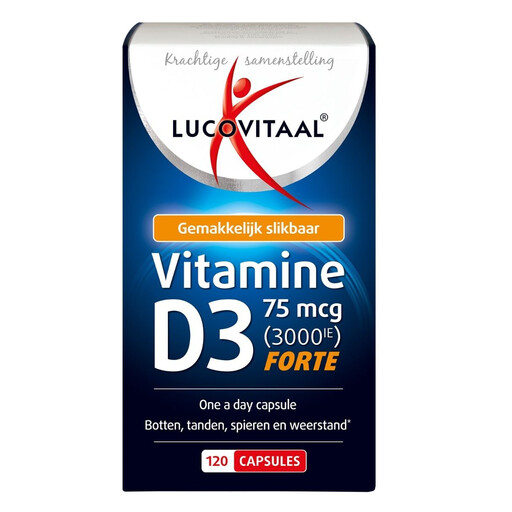
Why It Stands Out: This product offers a high-dose vitamin D3 of 75 mcg per capsule. According to the manufacturer, it is designed to increase calcium absorption in the bones and support the immune system. The form, vitamin D3 (cholecalciferol), is the same type the body produces when exposed to sunlight and is generally well absorbed.
Benefits:
Who Is It For? Adults who, for instance, on professional advice, are looking for a high-dose vitamin D supplement.
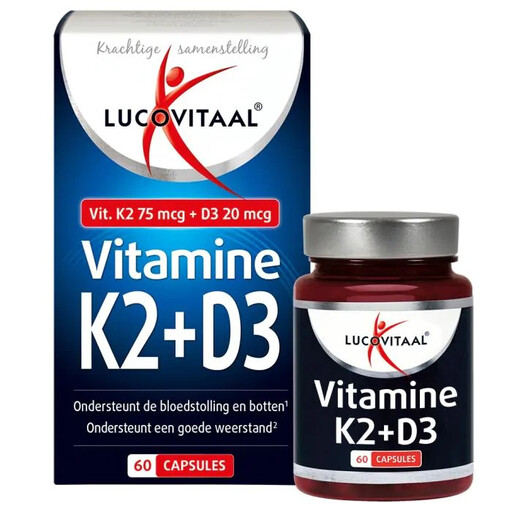
Why It Stands Out: This supplement combines vitamin D and K in a single capsule. It contains 20 mcg of vitamin D3 and 75 mcg of vitamin K2. The manufacturer states that vitamin D3 increases calcium absorption, while vitamin K2 contributes to the maintenance of strong bones and normal blood clotting. The K2 is in the form of Menaquinone-7, which is known for its excellent bioavailability.
Benefits:
Who Is It For? Adults specifically looking for a supplement that provides both vitamin D and K2, with a focus on bone support. Please note: the manufacturer advises against use in combination with blood thinners.
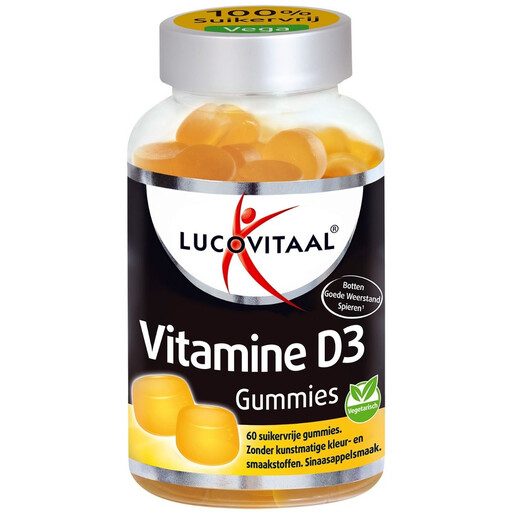
Why It Stands Out: These vitamin D gummies are a practical and tasty alternative to traditional pills. They are completely vegan and contain no artificial colours or flavours. With 25 mcg of vitamin D3 per gummy, they offer a generous dose suitable for many adults.
Benefits:
Who Is It For? People who follow a vegan lifestyle, have difficulty swallowing capsules, or simply prefer a chewable supplement.
The world of supplements is vast. The products above are just a small sample of what's available. Are you looking for a different dosage, another brand, or a different delivery method?
Explore our full range of vitamin D3 supplements here
Vitamin D comes in two main forms: D2 (ergocalciferol) and D3 (cholecalciferol). Vitamin D2 is plant-based, while vitamin D3 is the form that human skin produces when exposed to sunlight and is also found in animal products. Most supplements contain vitamin D3 because this form appears to be used more efficiently by the body to raise vitamin D levels.
Symptoms sometimes associated with a vitamin D deficiency include fatigue, muscle pain, or a weakened immune system. The only way to be certain is through a blood test administered by your doctor. Do not self-diagnose a deficiency or start taking an extremely high dose on your own. Always consult a healthcare professional if you suspect you have a deficiency.
