
Vandaag of morgen in huis

Kwaliteit gegarandeerd

Welkomstaanbiedingen ontgrendelen: GRATIS bezorging | Tot 80% korting | Gratis 30 dagen JoyPlus-proefperiode
Download de app
Buying vegetables online is convenient for busy households, families and home cooks who want to stock up. However, not every product is suitable for every dish. A tin of vegetables for emergencies, a bag of frozen vegetables for weekday meals and Thai vegetables for a curry each require a different choice.
What's more, the packaging doesn't always tell the full story. So don't just rely on the product photo or a flashy claim – pay close attention to the ingredients, the net weight, the storage instructions and the preparation method.
With tinned vegetables, the weight often includes both the vegetables and the water. A 565g tin doesn't necessarily contain 565g of bamboo shoots. So always check whether the drained weight is listed when comparing portions or price per quantity.
With frozen vegetables, the net weight is usually closer to the amount you'll actually use. However, some moisture may be released during cooking, particularly with mixed vegetables, cauliflower and spinach.
A mixed vegetable pack can contain extra ingredients such as butter, herbs, sugar or salt. That's not necessarily a bad thing, but it does make the mix less neutral for your own recipes.
If you want to control the flavour yourself, opt for a short ingredients list. Examples include:
A seasoned stir-fry mix can be handy when you need a quick meal. In that case, do check the salt content and any allergens.
Frozen vegetables must stay frozen until use. Check the recommended temperature on the packaging and never refreeze a product once it has thawed. When ordering online, it's also wise to check whether the product page provides information about chilled or frozen delivery.
Store unopened tinned vegetables in a cool, dry place, away from heat and direct sunlight. Do not use a tin if it is leaking, bulging, badly damaged or heavily rusted.
The ingredients list is the quickest way to see what you're actually buying. A product with 100% broccoli offers a different base than a vegetable mix with sauce or herb cream. Always check the allergen information too. Bonduelle French Green Beans, for example, states that the product may contain celery, while some other listed products do not indicate any of the 14 major EU allergens.
With Asian vegetables and Thai vegetables, also look at the preservatives used, the salt content and the proportion of vegetables in the tin. According to the product information, Sunlee Baby Corn contains baby corn cobs, water, salt and citric acid. That makes it suitable for stir-fries, but it's not the same as fresh baby corn.
An 800g pack of frozen vegetables suits families or anyone who likes to batch cook. Smaller tins of around 165g to 290g are practical for a single dish or as an addition to a meal.
Also consider the format:
Not every vegetable tolerates the same cooking method. Broccoli and cauliflower are suitable for steaming, boiling, stir-frying and oven dishes. Garden peas can be added directly to soup, rice or mash. Bamboo shoots and baby corn from a tin are ready to use after draining and work well in curries, noodles and stir-fried vegetables.
Spinach in blocks often needs gentle heating and draining of excess moisture. According to the product information, a vegetable mix with herb cream can be heated directly in a wok or pan without needing extra butter or oil.
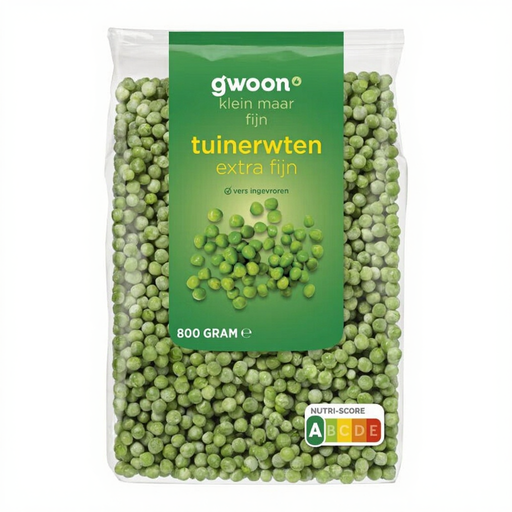
Why this fits the profile: The 800g bag offers a generous quantity for soups, mash, rice dishes and sides. The product information lists only garden peas as the ingredient.
The short ingredients list makes the difference between pure frozen vegetables and a seasoned mix immediately clear.
800g, frozen and according to the label with no added sugar. Suitable for using per portion.
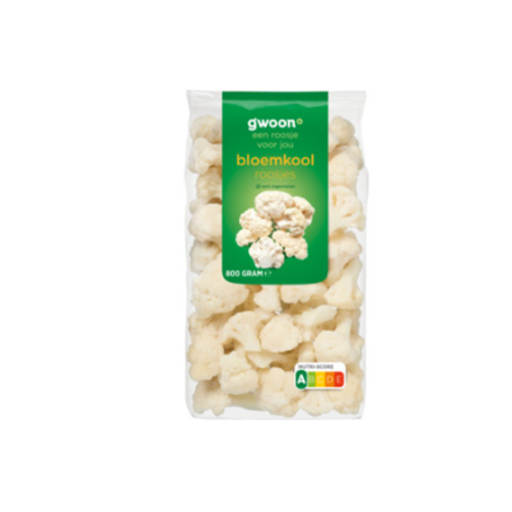
Why this fits the profile: Anyone who wants full control over herbs, sauce and preparation gets a neutral base with loose cauliflower florets for oven bakes, curries and side dishes.
The product information lists cauliflower florets without the addition of sauce or herb mix.
800g frozen vegetables with a stated nutritional value of 34 kilocalories per 100g.
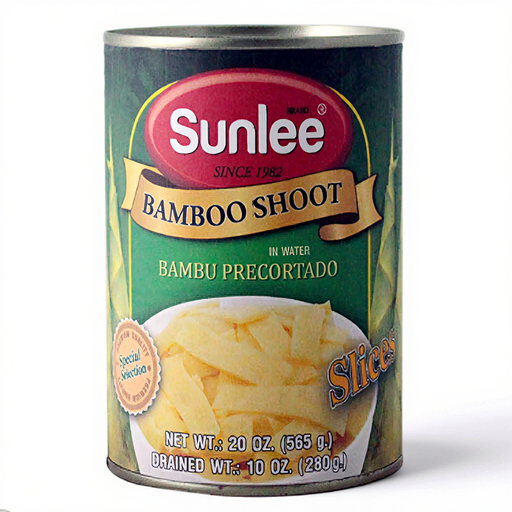
Why this fits the profile: For anyone who regularly cooks Asian or Thai dishes, sliced bamboo shoots are ready to use in stir-fries, soups, hotpot and curries.
The product information lists bamboo shoots and water as ingredients. Drain the slices before adding them to a dish.
565g per tin and a format that can be added to stir-fries, soups or curries without any chopping.
We've put together a full, up-to-date list of products that fully meet these strict selection criteria and comply with current European safety regulations.
With a small stock, you can make a variety of dishes:
With mixed products, always check whether milk, celery or other allergens have been added. According to the product information, the Iglo Vegetable Idea Farm Mix contains butter and therefore milk.
That depends on the packaging, any offers, portion size and the amount of waste. Frozen vegetables can be practical because you only use the amount you need and keep the rest frozen. So compare the price per 100g rather than just the price per pack.
Always follow the date and storage instructions on the packaging. Store frozen vegetables at the recommended temperature, keep the bag well sealed and never refreeze a thawed product. Quality can change after longer storage due to freezer burn or drying out.
That's not always necessary, but draining is usually a good idea. This removes some of the liquid and gives you better control over the flavour and texture. With bamboo shoots, baby corn and sweetcorn, draining is particularly useful if you're stir-frying them straight away. Also check the storage instructions on the label after opening.
