
Vandaag of morgen in huis

Kwaliteit gegarandeerd

Welkomstaanbiedingen ontgrendelen: GRATIS bezorging | Tot 80% korting | Gratis 30 dagen JoyPlus-proefperiode
Download de app
Buying vegetables online is convenient when you need to stock up your cupboard or freezer quickly. Yet the range can sometimes seem clearer than it actually is. A pack may look large, while the drained weight is smaller. What’s more, a product with little preparation time can contain extra salt, sugar, sauce or allergens.
As a Joybuy Product Recommendation Officer, I therefore focus on verifiable information: storage method, net weight, ingredients, portionability and preparation method. This way, you can compare frozen vegetables, tinned vegetables and Asian vegetables on practical grounds, rather than just on packaging or marketing copy.
With a tin or jar, you need to look at the difference between net weight and drained weight. Water, brine or sauce counts towards the total weight, but doesn’t form a vegetable portion. So compare the amount of vegetable and the price per 100g wherever possible.
With frozen vegetables, 800g is often practical for several meals, but check whether the product is free-flow frozen or comes in portion blocks. Loose broccoli, cauliflower, peas or green beans are easy to weigh out. Blocks of spinach are handy when you use a fixed amount each time.
A vegetable mix with butter, sauce or herbs may be quick to prepare, but it doesn’t always suit your recipe or dietary preference. Check the ingredients list before you order. For example, the Iglo Vegetable Idea Farm Mix contains vegetables, butter, parsley, salt and spices. That makes it suitable as a seasoned side dish, but less flexible than a pack with a single vegetable type.
The liquid is also important with tinned vegetables. According to the product information, G'woon Whole Green Beans consists of green beans, water and citric acid. HAK Extra Fine Peas and Carrots contains carrots, peas, water and sea salt. That difference can matter when you want to control the flavour and salt level yourself.
Frozen vegetables must stay frozen during storage and delivery. Product information for several items therefore states “cold from start to finish” and advises storing at the temperature shown on the pack. On receipt, check that the packaging is still properly frozen and put the products straight into the freezer.
A different approach applies to opened tinned vegetables. Store the contents according to the label and use the product shortly after opening. A bulging lid or damaged packaging is a clear reason not to use the product.
A 400g pack can be suitable for one meal for several people, while 800g is better suited to households that use vegetables regularly. Edamame in a 3 x 500g pack is especially practical when you use the product often in salads, poke bowls or soups.
Always read the current label. Product information can change per pack. Check in particular:
According to the product information, Iglo Chopped Spinach contains 100% spinach and no listed allergens. The version with cream sauce, on the other hand, contains milk and wheat. These are different products, even though spinach is central to both.
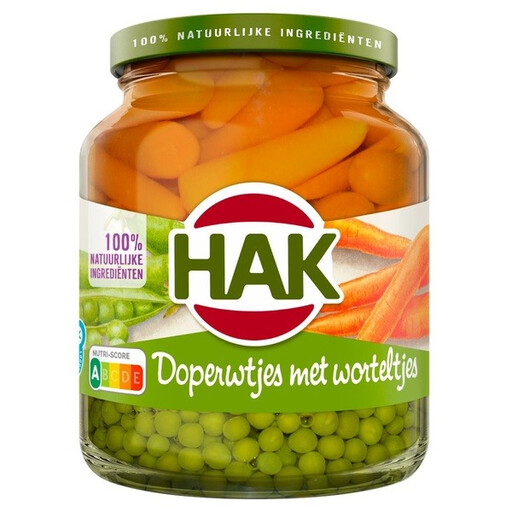
Why this suits the profile: A small pack of carrots and peas for a quick meal or side dish without needing freezer space.
The compact size limits unused leftovers. The ingredients list states carrots, peas, water and sea salt.
195g, ready to heat straight from the pack and, according to the product information, made in the Netherlands.
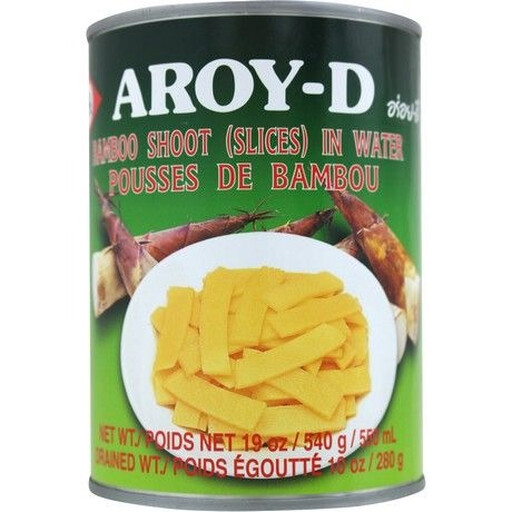
Why this suits the profile: For those looking for Asian vegetables that can go straight into curry, stir-fries, soup or salad without much chopping.
The slices are ready to use according to the product description. The ingredients list 52% bamboo shoots and water; check the label on receipt.
540g, storable in a cool, dry place and suitable for a wide range of recipes.
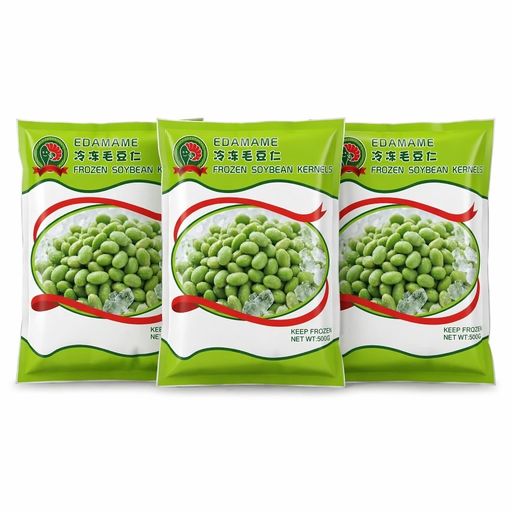
Why this suits the profile: A stock-up choice for anyone who regularly uses edamame in salads, soups, rice dishes or as a snack.
The three separate packs make stock planning easier than one large opened bag.
3 x 500g, frozen and, according to the product information, suitable for various dishes.
We’ve put together a full, up-to-date list of products that fully meet these strict selection criteria and current European safety regulations.
That depends on the pack size, delivery costs and usage. Large bags of frozen vegetables can be practical when you use them up completely. For a fair comparison, divide the price by the number of grams of vegetable, and with tinned products, pay attention to the drained weight.
Always follow the best-before date and storage temperature on the pack. Generally, keep frozen vegetables continuously frozen and put them straight into the freezer after delivery. After defrosting, the product information for these items advises storing them chilled, using them within the stated period and not refreezing them.
Small tins of chickpeas, bamboo shoots or vegetables in a pack of around 195g to 400g take up little freezer or cupboard space. If you have a spacious freezer, 800g packs of broccoli, cauliflower, kale or peas are suitable for planning several meals.
