
Vandaag of morgen in huis

Kwaliteit gegarandeerd

Welkomstaanbiedingen ontgrendelen: GRATIS bezorging | Tot 80% korting | Gratis 30 dagen JoyPlus-proefperiode
Download de app
Buying vegetables online is handy when you want to top up your supplies without visiting several shops. Even so, products vary widely in packaging, cooking method, portion size and shelf life. A low price per pack can be less appealing if you don’t use a large part of it. Marketing terms such as “freshly frozen” or “natural flavour” can also distract from the information that really matters.
Pay particular attention to these common pitfalls when ordering online:
Frozen vegetables are practical for everyday meals, as you often only take the amount you need from the pack. Look at how easy it is to portion: loose florets or pieces are simpler to measure out than one large frozen block. Also check for a stated storage temperature and clear instructions.
With tinned vegetables, the ingredients list, the drained weight and the condition of the pack are important. A bulging lid, a damaged tin or any leakage are reasons not to use the product. HAK Extra Fine Peas and Carrots consists, according to the product information, of carrots, peas, water and sea salt. This combination is intended to be warmed gently or added to a hot dish.
For Asian vegetables such as bamboo shoots and edamame, also look at the preparation method. Bamboo shoots in water are suitable as an ingredient for stir-fries, soups and hotpot. Pre-cooked versions should be rinsed and heated through according to the product information. Edamame can be sold frozen or already cooked; in that case also check the soya allergen label.
A 400-gram product isn’t automatically right for one meal. Think ahead about how you’ll use it:
For a stir-fry, for example, broccoli, cauliflower, green beans, sweetcorn and edamame pair well with rice or noodles. For soup or casseroles, a vegetable mix can save time. A tin of creamed sweetcorn has a different texture from loose kernels and therefore lends itself to soup, chowder or an oven bake.
A short ingredients list often tells you more than a flashy front of pack. According to the product information, g'woon Broccoli Florets contains only broccoli. g'woon’s cauliflower and peas are also offered as single-vegetable products.
Pay close attention to allergens in mixed products. According to the label, Iglo Vegetable Idea Farm Mix contains butter, and therefore milk. Bonduelle French Green Beans notes that the product may contain celery. Mooijer cooked edamame contains soya. You must always compare this information with the current label on the pack.
Put frozen products straight in the freezer and keep them frozen until use. After defrosting, keep them refrigerated and consume within the stated period. Refreezing is not recommended for the products mentioned. For ambient products: store unopened in a cool, dry place out of direct sunlight. The exact best-before date and usage instructions are on the pack.
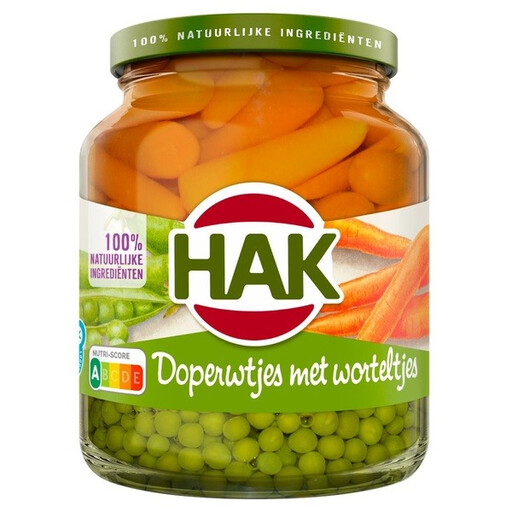
Why this fits the profile: The small tin is ideal for a simple meal or for a household that doesn’t want to keep leftovers.
The ingredients list is clear: carrots, peas, water and sea salt. You can immediately see it’s a mixed tinned vegetable.
195 grams, lower in salt according to the product description and can be heated directly in a pan.
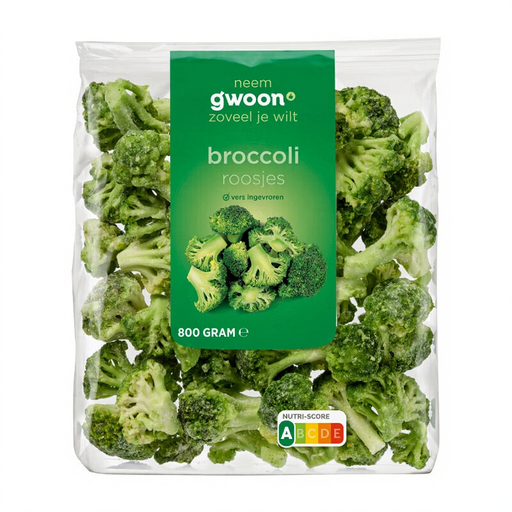
Why this fits the profile: The large bag of broccoli florets offers a useful supply for pasta, stir-fries, casseroles and side dishes.
According to the product information, this product consists of broccoli. No sauce, butter or seasonings have been added that could limit how you use it.
800 grams, free-flowing broccoli florets, 100% broccoli according to the ingredients list and delivered frozen.
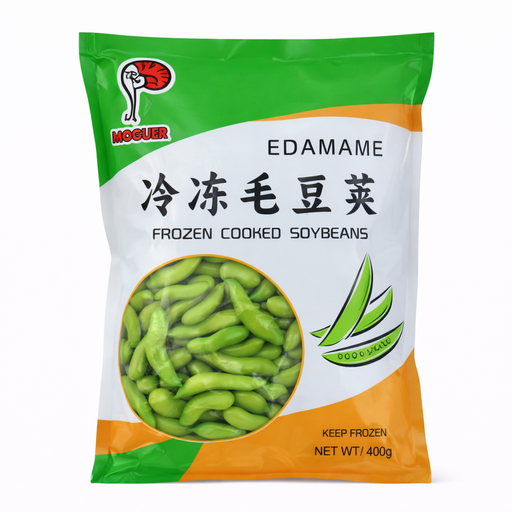
Why this fits the profile: A kilogram of cooked edamame suits fans of Asian dishes, meal prepping and meals with a plant-based component.
The product information clearly states it’s cooked edamame. The product contains soya and salt, which means you can check the label in advance.
1 kilogram, already cooked, suitable for salads and snacks, and can be stored frozen according to the product information.
We’ve compiled a complete, up-to-date list of products that fully meet these strict selection criteria and current European safety regulations.
With a few different packs, you can make a variety of dishes:
For every order, check the total net weight, the price per 100 grams, the ingredients list and the storage method. That way you compare products on practical features rather than just the packaging or brand name.
Yes, especially when the vegetables are free-flowing or can be divided into portions. Bag sizes of 400 to 500 grams are often manageable for one or two people. An 800-gram or 1-kilogram pack is handier when you use the same vegetable regularly.
Unopened tinned vegetables can generally be stored for a long time, but the date and instructions on the label are decisive. Store tins somewhere cool and dry. Do not use any that are bulging, leaking or badly damaged. Don’t keep leftovers in the tin after opening; follow the stated storage instructions.
Always check the ingredients and allergen information on the product page and on the pack. Watch out for soya in edamame, milk in some seasoned vegetable mixes, and possible celery in certain green beans. Product information can change; the label on the product you receive is the one that counts.
