
Livraison le jour même et le lendemain

Qualité garantie

Débloquez vos offres de bienvenue: Livraison GRATUITE | Jusqu'à -80 % | 30 jours d'essai gratuits à JoyPlus
Téléchargez l'application
Udon noodles are thick, soft wheat-flour noodles that work beautifully in soups, stir-fries and hotpot. However, not all varieties are the same. The differences lie in texture, shelf life, portion size and cooking method.
When you're looking to buy udon noodles online, you'll often come across three practical pitfalls:
The defining characteristic of udon is its thick structure. If you're after chewy noodles with a firm bite, look for product descriptions that include terms like "thick", "smooth" and "chewy". The texture is influenced by wheat flour, water, starch and thickeners.
Fresh varieties such as nama udon are often described as soft and elastic. Dried noodles can be stored for longer but usually have a different cooking time. A product containing tapioca starch or cassava flour can, according to the product information, offer a smooth, springy texture.
A bag of udon noodles 200g is handy for one generous portion or to share across a meal with vegetables, tofu, meat or fish. For families, an 800g pack is more practical. Catering professionals, event organisers and large households can look at bulk udon, for example 30 individual bags of 200g.
Individual portions have an extra advantage: you only open what you need. This helps reduce waste and makes stock management much simpler.
Before buying, check whether the noodles are intended for:
Some products recommend rinsing the noodles first. According to the product information from SUKI, a slight acidity from acidity regulators can be reduced by rinsing the noodles before cooking. This is a product-specific instruction and does not automatically apply to all udon.
Fresh udon noodles are ideal if you particularly value a soft, smooth bite and quick preparation. Pay attention to the use-by date, storage conditions and instructions on the pack.
Instant udon noodles are practical for busy days. They are often packed as single portions and can, according to the product description, be prepared in just a few minutes. A meal bowl with sauce and topping requires fewer extra ingredients, but do check the nutritional values and allergens before ordering.
Dried Japanese udon noodles generally contain less moisture and are therefore easier to store. However, they often need longer to cook. So don't just read the product name – also check the cooking method and net weight.
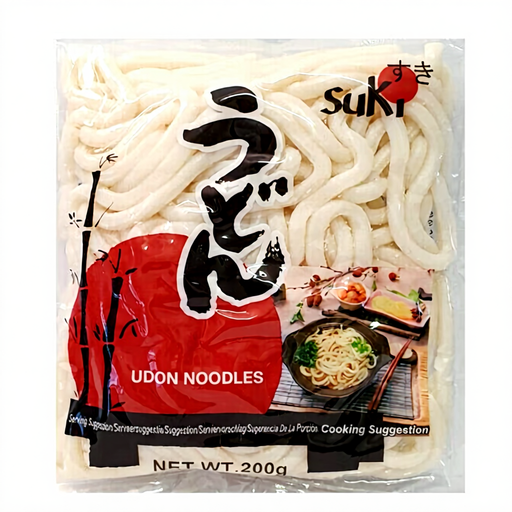
Why this fits the profile: The 200g pack is straightforward for anyone wanting to try udon at home without buying a large number of portions straight away. According to the product information, this variety is suitable for soup, stir-fries and hotpot.
The portion size limits the risk of unused stock. The product information also states that rinsing before cooking can reduce a slight acidity.
200g per pack; smooth and chewy texture; suitable for multiple cooking methods.
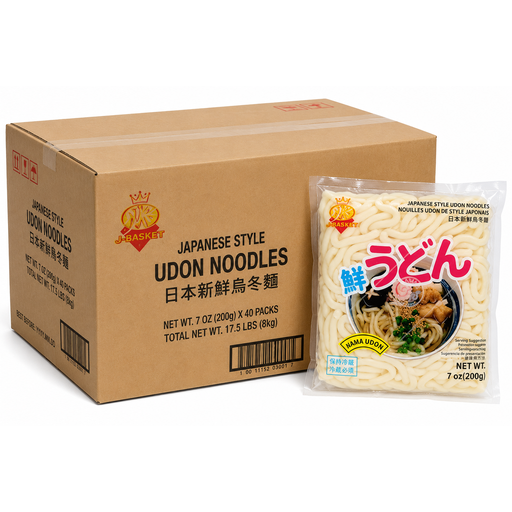
Why this fits the profile: This box contains 30 individually wrapped portions of 200g. It suits anyone who cooks udon regularly and values a soft, chewy texture for soup, stir-fries or cold noodle dishes.
The individual packaging makes portion control easier than with one large opened bag. Do check the storage and shelf-life information on the label.
30 portions of 200g; fresh nama udon according to the product description; free from artificial colours and preservatives according to the stated product specifications.
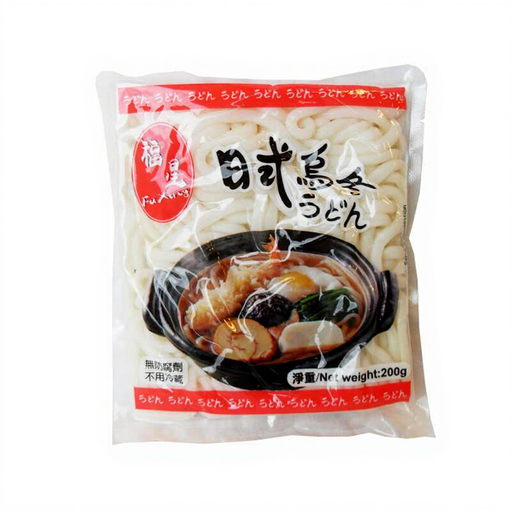
Why this fits the profile: The bulk pack with 30 individual bags is aimed at restaurants, catering, large households and anyone who regularly needs multiple portions at once.
The stock is divided into separate 200g portions. This means the whole box doesn't have to be opened at once.
30 individual portions; thick and chewy texture according to the product description; suitable for soup, stir-fries, hotpot and cold dishes.
We've put together a full, up-to-date list of products that fully meet these strict selection criteria and comply with current European safety regulations.
Yes. The thick texture works well with broth and sauces. Add the noodles according to the instructions on the pack. With fresh varieties, just one to two minutes of heating is often enough, but always check the label.
A 200g pack is often sold as one generous portion. The amount you need depends on the other ingredients in the meal. With plenty of vegetables, tofu, meat or fish, one bag can be shared between several people.
Store unopened products in a cool, dry place away from direct sunlight. Once opened, the pack should be sealed tightly and used quickly according to the product information. Always check the current use-by date, ingredients and warnings on the pack before consuming.
