
Vandaag of morgen in huis

Kwaliteit gegarandeerd

Welkomstaanbiedingen ontgrendelen: GRATIS bezorging | Tot 80% korting | Gratis 30 dagen JoyPlus-proefperiode
Download de app
When you buy Turkish sweets and treats online, you’re often spoilt for choice: from lokum and tahini halva to Turkish biscuits, wafers, gummies and savoury snacks. Yet an eye-catching packet doesn’t always tell you enough about the taste, the ingredients, or whether it’s right for your needs. With a few simple checks, you can avoid a disappointing purchase and choose more wisely – whether it’s for tea time, a gift hamper or a festive table.
A name like Turkish delight, lokum or Turkish halva describes the type of product, but not automatically the exact ingredients. Lokum, for example, can be plain or contain pistachio. With halva, it makes a difference whether you choose tahini, cocoa or a nut-based variety.
Always check the ingredients list, net weight and allergen information on the product page and on the packaging.
A big pack is only practical if you’ll use the product in time and can store it properly. Some treats lose their texture or crunch more quickly after opening. Smaller packs are often more convenient for a gift, for guests or for a snack on the go.
So, alongside the price, pay attention to the price per 100 grams, the shelf life and the recommended storage method.
Turkish sweets vary greatly in mouthfeel. Lokum is soft and jelly-like, tahini halva is crumbly and firm, while Turkish wafers are crunchy. Turkish gummies and sour strips are chewier. If you only search by flavour name, you might end up with a product that doesn’t suit the occasion.
Check whether the product contains sesame, wheat, milk, egg, soya, nuts or gelatine. This is especially important for tahini halva, biscuits, chocolate biscuits and gummies. The product information can vary from one variant to another. If you have an allergy, always use the current packaging as your guide, even if the online description gives general information.
For example: tahini halva contains sesame paste according to the product information, while Anatolia Un Kurabiye contains wheat flour and butter. Bebeto Dracola Teeth lists beef gelatine. These are important differences for your choice.
Compare products by weight, not just by pack size. A 250g box of lokum is priced differently per portion than an 80g bag of sweets. Nutritional values are usually given per 100 grams. With sweet products, you’ll often see sugar and carbohydrates in the table; with sunflower seeds and roasted pumpkin seeds, fat and salt are key points of comparison.
This data doesn’t tell you which flavour you’ll like, but it does help you compare products objectively.
Most products in this selection should be stored in a cool, dry place away from direct sunlight. Seal the pack well after opening to limit moisture and odour transfer. Check the best before date on the packaging. If the packaging is damaged, it’s best not to use the product.
For crunchy Turkish biscuits and wafers, moisture is especially unwelcome. With lokum and halva, a well-sealed pack is mainly practical for preserving the texture and flavour as much as possible.
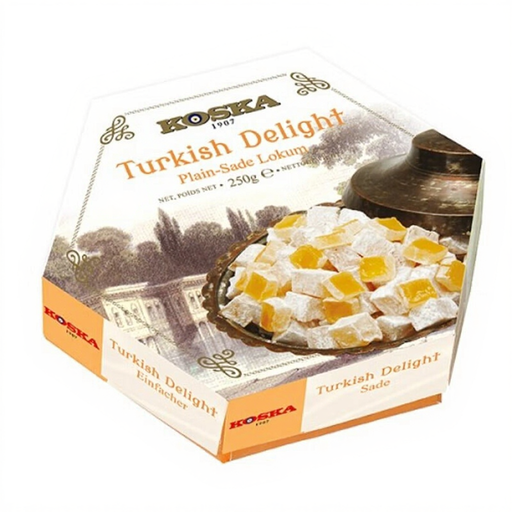
Why it fits this profile: A 250g pack is a manageable size when you’re trying lokum for the first time or looking for a sweet addition to tea and coffee.
The product type and quantity are clearly stated. Before ordering, do check the current ingredient and allergen information on the label.
Traditional lokum variant; 250g; ideal for serving in small portions with hot drinks.
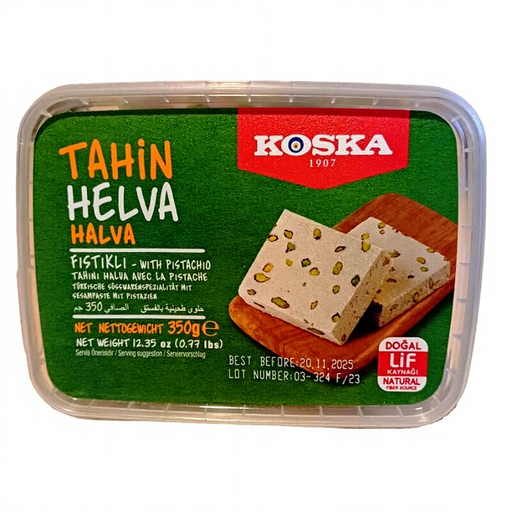
Why it fits this profile: This tahini halva combines sesame paste with Antep pistachio and works well as part of a wider selection of Turkish sweets for guests or a gift hamper.
The product information states the 350g weight and nutritional values per 100g, so you can compare pack size and composition.
350g; 57% sesame paste according to the product information; pistachio as a distinctive ingredient.
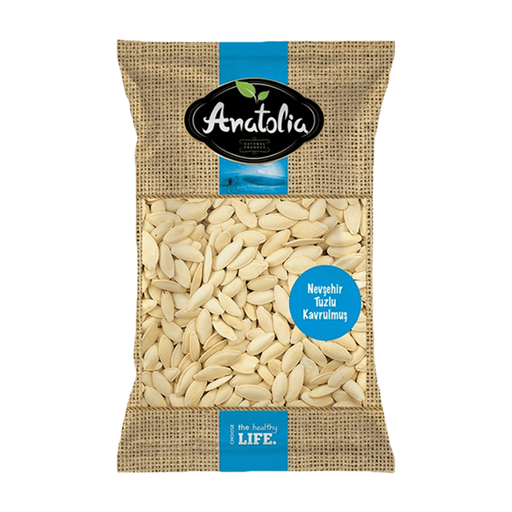
Why it fits this profile: A 340g bag is practical for a film night, a party platter or several servings of savoury Turkish snacks.
The product information clearly states roasted pumpkin seeds, salt and the nutritional values per 100g. So you know upfront that it’s a savoury snack.
340g; roasted; clear mention of 3.5g salt per 100g according to the product information.
We’ve put together a full, up-to-date list of products that fully meet these strict selection criteria and comply with current European safety regulations.
For a soft, buttery treat with coffee, take a look at Anatolia Un Kurabiye 300 g. These Turkish biscuits contain wheat flour, butter, sugar and vanilla according to the product information. If you prefer chocolate and a filling, Solen Biscolata Mood is worth considering; check for milk, hazelnut, gluten and egg.
For fans of sweet, chewy sweets, Bebeto Sour Blast Happy Raspberry and Bebeto S Cola Bottles are possible options. Always check the type of gelatine and allergens in gummies. Turkish wafers, such as the Ülker Deluxe variants with vanilla or strawberry cream, are handy for sharing, but according to the product information they contain wheat, milk and soya, among other things.
Lokum is usually soft and jelly-like, made with sugar, glucose syrup and starch, among other ingredients. Tahini halva has a firmer, crumbly texture and contains sesame paste. Variants may include cocoa or pistachio.
Store the product according to the label, usually in a cool, dry and dark place. Seal the pack well and keep it away from moisture, heat and direct sunlight. If in doubt, always check the specific storage instructions on the packaging.
Compare the net weight, ingredients, allergens, nutritional values, shelf life and storage instructions. Also consider whether the texture suits the occasion: soft lokum, crumbly halva, crunchy biscuits or chewy gummies. That way, you can buy Turkish sweets online with confidence, without relying on the packaging alone.
