
Same-day & Next-day Delivery

Quality Guaranteed

Unlock Your Welcome Offers: FREE Delivery | Up to 80% OFF | Free 30-day JoyPlus trial
Download the APP
Buying a tropical fruit drink might seem straightforward, until you start comparing what’s on offer. Packaging often boasts terms like “fruity”, “natural” and “no added sugar”, but these don’t always mean what you’d expect. A mango drink, for example, could be mostly water, sugar and flavouring, whereas a 1 litre fruit juice contains a much higher proportion of actual juice or purée.
As Joybuy’s Product Recommendation Officer, I filter the most important product information so you’re less likely to pay for a pack that doesn’t match your taste, the occasion you’re drinking it for, or your dietary preferences.
The name makes a difference. Fruit juice is largely or entirely made from juice, whereas a fruit drink often contains water, fruit juice or purée, sugar, sweeteners, acids and flavourings. So always check the fruit percentage and the ingredients list.
A product with mango on the front might, for example, contain 17% mango purée. That can still give a clear mango flavour, but it’s not the same as pure mango juice.
In a fruit drink labelled “no added sugar”, sugars can still come naturally from the fruit. Always check the nutritional information table. Some drinks also use sweeteners, which will be listed in the ingredients.
According to the product information, Iam Superjuice Passionfruit Drink contains no added sugar and 17 kcal per 100 ml. For Iam Superjuice Mango, steviol glycoside is listed as a sweetener. The taste and sweetness may therefore differ from a classic mango drink with sugar.
A 1 or 1.5 litre pack is handy for a household, but once opened, the drink usually needs to be kept refrigerated and consumed within the period stated on the pack. For on-the-go or a packed lunch, fruit drink cans of 250 or 330 ml are more practical.
Also watch out for allergens. Some tropical drinks contain milk ingredients, even though they’re presented as fruit drinks.
First, check whether you’re buying a tropical fruit juice, nectar, fruit drink or multi-fruit juice. Then look at:
A product with mango, passion fruit or guava on the front may also contain apple, pineapple or grape juice as its main fruit ingredient. That’s not necessarily a bad thing, but it does affect the flavour.
Always compare nutritional values per 100 ml. That way you can fairly compare a 320 ml can with a 1 litre bottle. Look at:
According to the brands’ own product information, vitamins C and D are added to some drinks. Treat this as a product feature, not a medical claim. The exact nutritional values and ingredients on the pack are what you should rely on.
Choose the volume based on how you’ll use it:
After delivery, also check the best-before date, the seal and the storage instructions. Once opened, the drink usually needs to be kept refrigerated.
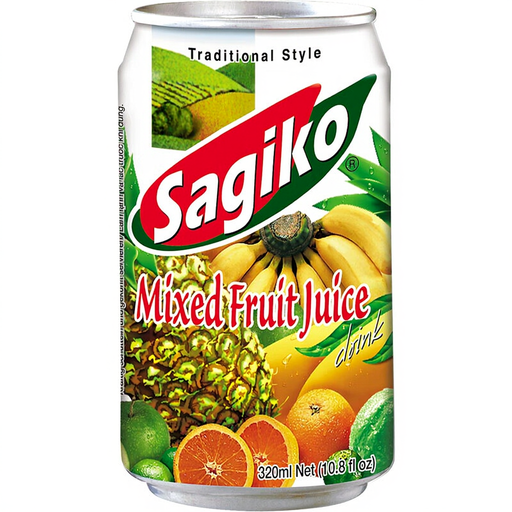
Why this fits the profile: A compact Asian fruit drink for anyone who wants to try several flavours without buying a large pack straight away. The blend includes soursop, pineapple, mango, guava, orange and calamansi, among others.
The ingredients list and nutritional values are available. Per 100 ml it states 46.9 kcal and 11.25 g sugar, so you can gauge the sweetness.
320 ml portion, none of the 14 main EU allergens listed, and suitable for serving chilled.
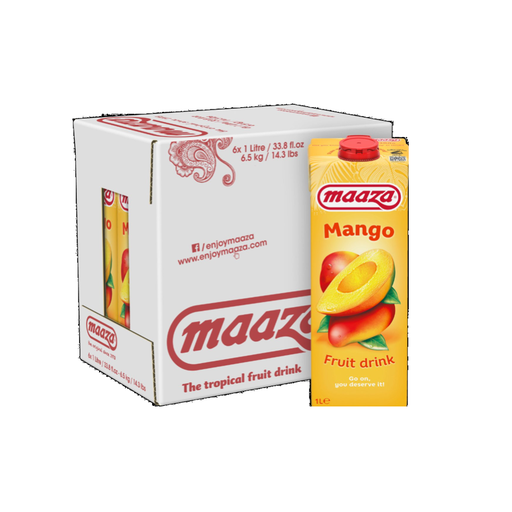
Why this fits the profile: For fans of a pronounced mango drink and households that regularly share a bottle at breakfast, lunch or a meal.
The proportion of mango purée is stated as 17%. The nutritional values can also be checked: 46 kcal and 10.8 g sugar per 100 ml.
Six 1 litre bottles, mango as a recognisable main flavour, and according to the product information, none of the 14 main EU allergens.

Why this fits the profile: A tray of 12 cans of 330 ml for anyone who regularly wants to serve, take along or chill passion fruit drinks.
The product information states 30% passion fruit juice, no added sugar and 17 kcal per 100 ml. Check the actual pack for the full ingredients list.
12 individual cans, tropical passion fruit flavour, and according to the product information, vitamin C.
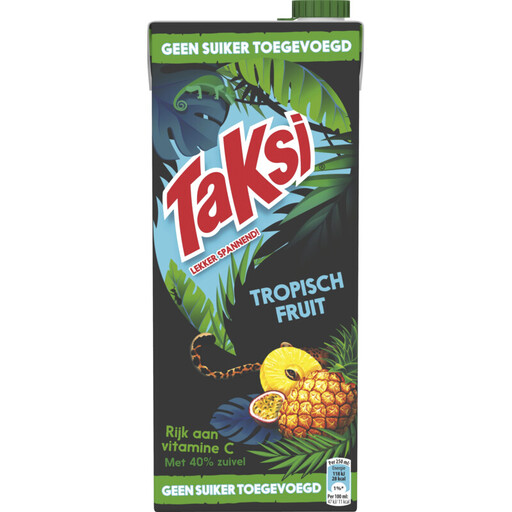
Why this fits the profile: The large pack is practical for a shared meal or when several people want a glass. According to the product information, the drink contains milk ingredients.
The no-added-sugar variant states 11 kcal and 2.4 g sugar per 100 ml. This makes the difference from the regular version clear in the nutritional information table.
1.5 litre volume, no added sugar according to the product information, and 17 mg vitamin C per 100 ml. Contains milk; check this if you have an allergy.
We’ve put together a full, up-to-date list of products that fully meet these strict selection criteria and comply with current European safety regulations.
Fruit juice usually contains a higher proportion of juice, whereas fruit drink is often diluted with water and contains extra ingredients. Check the fruit percentage, the ingredients list and the nutritional values per 100 ml.
Look for the exact phrase “no added sugar” and then check the ingredients and sugars per 100 ml. Iam Superjuice Passionfruit and the Taksi variant mentioned are described in the product information as products with no added sugar. That doesn’t automatically mean they contain no natural fruit sugars.
This varies by product. Generally, store an opened bottle or pack in the fridge and follow the date on the label. Seal the pack properly and check the smell, colour and taste before using. When in doubt, it’s best not to drink it.
