
Vandaag of morgen in huis

Kwaliteit gegarandeerd

Welkomstaanbiedingen ontgrendelen: GRATIS bezorging | Tot 80% korting | Gratis 30 dagen JoyPlus-proefperiode
Download de app
Looking to buy tropical fruit drinks for home, on the go or with a meal? You will soon come across terms such as “natural”, “sugar-free” and “with vitamin C”. These descriptions do not always tell the whole story. An exotic fruit drink may, for example, contain mainly water, sugar or milk ingredients, while the eye-catching fruit image suggests otherwise.
This practical guide focuses on the information that really matters: fruit juice percentage, nutritional values, packaging, allergens and when you plan to drink it.
A fruit drink with no added sugar can still contain naturally occurring sugars. Always check the “of which sugars” line per 100 ml. Sweeteners such as steviol glycosides, sucralose or acesulfame K may also appear in the ingredients list.
A low-calorie fruit drink usually contains less energy per 100 ml, but the taste and composition vary from one product to another. So do not compare only the front of the packaging.
“Mango drink”, “lychee drink” or “passion fruit drink” could be a fruit drink, nectar or soft drink. The percentage of fruit juice or fruit purée is generally listed in the ingredients. For example, the product information for various Iam Superjuice drinks states 30% fruit juice, while Mela Watermelon contains 99% watermelon juice according to the listed composition.
A fizzy tropical soft drink may also contain sugar, glucose-fructose syrup, flavourings and a small proportion of fruit pieces. That is a different choice from pure fruit juice.
Some products contain added vitamin C or vitamin D. According to the product information, Taksi Tropical Fruit contains vitamins C and D per 100 ml. Mela Watermelon is described in the product specifications as having a high vitamin C content. Use this information as a nutritional feature, not as a medical claim.
Also check the allergens. Taksi and several g’woon Zappie drinks contain milk ingredients. Optimum Nutrition Protein Water contains milk as an allergen, despite containing no sugar or fat.
Check whether the product is:
“Not from concentrate” means that, according to the product description, the drink is not made from concentrated juice. On its own, this says nothing about the total amount of fruit or the sugar content.
Always compare the same unit. A 330 ml can may contain 15 to 18 kcal per 100 ml, but the total amount per can will be higher. With a multipack of 12 cans, the total volume also matters.
Examples from the product specifications:
A pack labelled “no added sugar” is therefore not the same as a drink containing zero grams of sugar.
A 1-litre bottle is ideal for a family or a meal, but it needs to be refrigerated after opening and consumed relatively quickly. 330 ml cans are more convenient for portion control, taking with you or serving with an Asian meal.
Before placing your order, check:
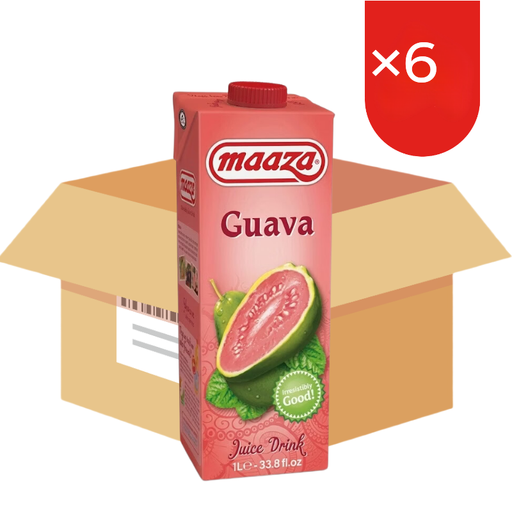
Why it suits this profile: The six 1-litre bottles are practical for families, meals and keeping a supply in the cupboard. The guava flavour is a familiar choice for fans of classic tropical drinks.
The product information states 17% guava juice from concentrate and 11 grams of sugar per 100 ml. This makes it easier to assess the composition before buying.
6 × 1000 ml, 17% guava juice from concentrate and no declarable allergens according to the product information.
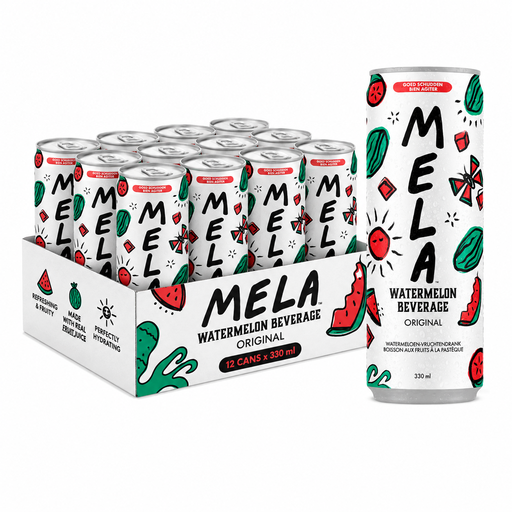
Why it suits this profile: If you value a distinctive watermelon flavour and a high stated fruit content, this is a focused choice for drinking chilled.
The product specifications state 99% watermelon juice. At the same time, the drink contains 7.6 grams of sugar per 100 ml, so the fruit percentage does not replace checking the nutritional values.
99% stated watermelon juice, 30 kcal per 100 ml and 12 cans of 330 ml.
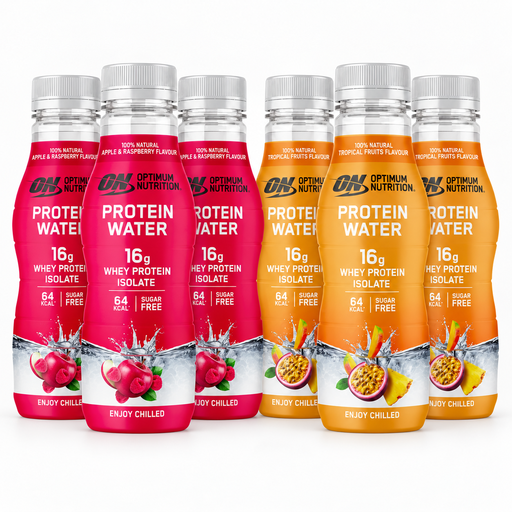
Why it suits this profile: This is not a standard tropical fruit juice, but a ready-to-drink protein beverage for after exercise, between meals or on the go.
The product information lists 0 grams of sugar, 64 kcal and 16 grams of protein per bottle separately. However, check the milk allergen before ordering.
6 × 350 ml, two flavours, 16 grams of whey protein isolate per bottle and 0 grams of sugar according to the product specifications.

Why it suits this profile: This canned mango drink is ideal served chilled with snacks or rice dishes, or shared with guests.
The description states 30% mango juice and 17 kcal per 100 ml. The “no added sugar” claim is therefore supported by specific product information.
30% mango juice, 17 kcal per 100 ml and a tray of 12 330 ml cans.
We have put together a complete, up-to-date list of products that fully meet these strict selection criteria and the applicable European safety regulations.
Alongside mango, guava and watermelon, there are several unusual flavours to explore. According to the product description, a soursop drink has a smooth, fruity taste. The Iam Superjuice version contains 18 kcal per 100 ml and is available in a multipack of 12 cans.
For a refreshing, tangy option, consider a passion fruit drink. The Iam Superjuice version contains 30% passion fruit juice and 17 kcal per 100 ml. Lychee drinks and mangosteen drinks are also worth considering if you are looking for a less everyday Asian drink. With mangosteen, look for specific claims such as vegan, gluten-free or allergen-free, and check these details again on the label.
It varies from product to product. The available product information lists Iam Superjuice Lychee at 15 kcal, Pink Guava at 16 kcal, Passionfruit and Mango at 17 kcal, and Soursop at 18 kcal per 100 ml. Always compare the current packaging, as recipes and labels may change.
No. “No added sugar” means that no extra sugar has been added to the product. Fruit naturally contains sugars. Check the nutrition table and also see whether sweeteners have been used.
Follow the instructions on the packaging. Many bottles and cans need to be refrigerated after opening and consumed within a short time. Unopened products should generally be stored in a cool, dry place away from direct sunlight. Always check the best-before date and the condition of the packaging before drinking.
