
Vandaag of morgen in huis

Kwaliteit gegarandeerd

Welkomstaanbiedingen ontgrendelen: GRATIS bezorging | Tot 80% korting | Gratis 30 dagen JoyPlus-proefperiode
Download de app
Buying a tropical fruit drink might seem straightforward – until you’re standing in front of a shelf or product page filled with mango, guanabana, guava, watermelon and pineapple in all sorts of packaging. Words like “natural”, “rich in vitamins” and “no sugar” don’t always mean the same thing. A large pack isn’t automatically better value either, especially if you can’t finish it before it goes off after opening.
That’s why the Joybuy Product Recommendation Officer is here to help you make a practical choice. Pay close attention to the ingredients list, nutritional values, volume and storage instructions. This way, you won’t end up paying for a product that doesn’t suit your taste, household or daily routine.
A fruit drink with no added sugar can still contain natural sugars from the fruit itself. Always check the “of which sugars” per 100 ml line. With a mango or guava drink, this is often higher than with a low-calorie fruit drink.
Also look out for sweeteners such as sucralose, steviol glycosides or acesulfame-K. These can make a product suitable for people who want to limit added sugar, but they do change the taste and recipe.
A drink with vitamin C or vitamin D isn’t automatically a proper substitute for fruit or water. Check the exact amount per 100 ml and see whether the vitamins have been added to the ingredients list.
According to DubbelDrank’s own product information, the Mango Guanabana Juice and Pineapple Guava Apple Juice contain added vitamins C and D. Taksi Tropical Fruit Juice also lists vitamins C and D in its product description. Use such claims as one point of comparison, not as your only reason to buy.
“Mango drink”, “juice”, “nectar” and “fruit drink” aren’t always interchangeable terms. Look at:
A drink can have a pronounced fruit flavour even with a limited fruit percentage. That’s not necessarily a problem, as long as it matches your expectations.
If you’re after a soft, full flavour, look at mango or guava drinks with fruit purée. According to the product information, Maaza Mango Drink contains 17% mango purée. Maaza Guava Sugar Free Drink contains 18% guava purée according to the ingredients list, with no added sugar but 11.2 grams of sugars per 100 grams.
For a distinctive combination, there are drinks with several types of fruit. According to the product data, DubbelDrank Mango Guanabana contains 8% mango and 1% guanabana, within a total fruit content of at least 40%. The flavour is therefore also influenced by apple, orange, sugar and flavouring.
Always compare the same unit: per 100 ml. Here are a few examples from the product information:
A low-calorie fruit drink can therefore be a sensible choice for daily use, while a sweeter mango drink is better suited to a meal or a moment when you want a fuller flavour.
A 1-litre fruit drink is practical for breakfast, family meals or a small gathering. A 1.5-litre bottle works better for several people, but once opened it does need enough fridge space and regular consumption.
Small cans or bottles are handy for on the go and give you more control over your portion. A tropical drink multipack is great for stocking up, parties or households where everyone drinks at different times. Check the total volume of a multipack: 12 cans of 330 ml, for example, gives you 3.96 litres.
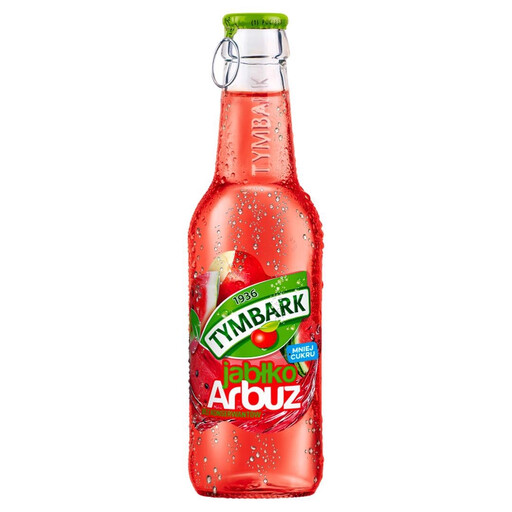
Why this fits the profile: A small size is ideal for trying a flavour first without committing to a large pack. The combination of apple and watermelon is an accessible introduction to exotic fruit drinks.
The 250 ml content limits waste if you’re not sure you’ll like the flavour. The nutritional information shows 19 kcal per 100 ml.
250 ml per pack; 4.6 grams of sugars per 100 ml; no declarable allergens according to the product information.
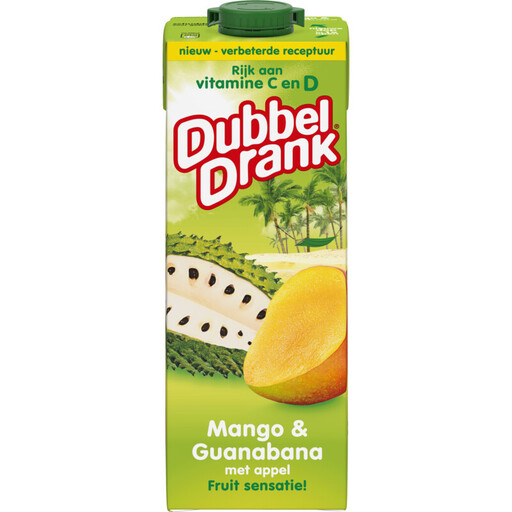
Why this fits the profile: This choice suits anyone who wants a layered flavour profile with mango and guanabana rather than a single fruit. The 1-litre pack is ideal for sharing.
The fruit ratio and nutritional values are listed, so you don’t have to judge the drink by the packaging alone. According to the data, the product contains none of the 14 main EU allergens.
At least 40% fruit content according to the product information; added vitamins C and D; 1 litre volume.
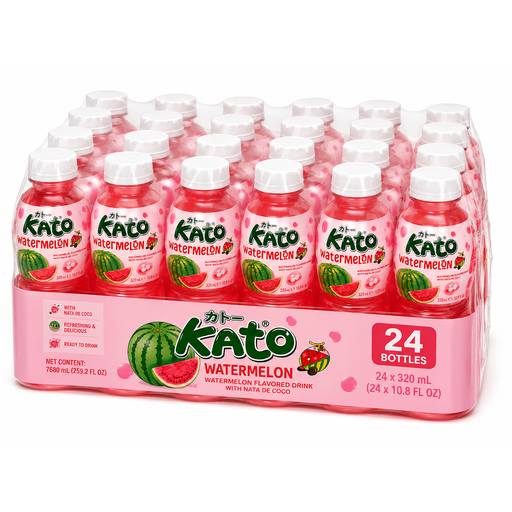
Why this fits the profile: This Asian fruit drink is designed for stocking up, parties and anyone who enjoys a combination of drinking and chewing thanks to the nata de coco.
The packaging states 24 bottles of 320 ml, so the total volume is clear before you order. Bear in mind the 13 grams of sugars per 100 ml and the listed ingredients.
24 individual bottles; nata de coco; 320 ml per bottle; ideal served chilled.

Why this fits the profile: The multipack is ideal for daily use, work or a household that wants to keep individual cans and serve them chilled.
“No added sugar” is backed up with concrete data: according to the product description, the drink contains 17 kcal per 100 ml and 30% mango juice. Check the current packaging for the full ingredients list.
12 cans of 330 ml; 3.96 litres total; sweetened with steviol glycosides according to the product information.
We’ve put together a full, up-to-date list of products that fully meet these strict selection criteria and comply with current European safety regulations.
That varies by brand and variant. Among the available product information, Iam Superjuice Mango and Iam Superjuice Soursop contain 17 and 18 kcal per 100 ml respectively. Tymbark Apple Watermelon lists 19 kcal per 100 ml. Always check the current nutritional information table, as recipes and packaging can change.
No. “No added sugar” means that no sugar has been added during production. Fruit itself can contain natural sugars. So look at carbohydrates of which sugars per 100 ml. Also check for sweeteners in the ingredients list.
Follow the instructions on the packaging. Many products need to be kept refrigerated after opening, often at around 7 °C maximum, and consumed within a few days. Tymbark, for example, recommends consuming within 48 hours of opening. Always seal the bottle properly and check the smell, colour and packaging before drinking.
