
Vandaag of morgen in huis

Kwaliteit gegarandeerd

Welkomstaanbiedingen ontgrendelen: GRATIS bezorging | Tot 80% korting | Gratis 30 dagen JoyPlus-proefperiode
Download de app
When you’re looking to buy tropical fruit drinks, you’ll quickly find mango juice, lychee drink, guava drink, coconut water and all sorts of Asian soft drinks sitting side by side. The packaging often shows a large picture of fruit, while the actual fruit juice content can be much lower. Terms like “no added sugar” and “natural” also call for a closer look at the label.
With this practical buying guide, you can compare tropical juices on fruit content, sugar, calories, portion size and when you’ll use them. That way, you won’t end up buying a multipack that doesn’t suit your preferences.
A mango on the can or a flashy name says little about the percentage of fruit. For example, Wicky Mango Fruit Drink contains 0.2% mango juice from concentrate, according to the product information. The drink is intended as a light fruit drink with mango flavour, not as a juice with a high fruit content.
In contrast, Iam Superjuice Mango Drink states 30% mango juice in its product description. If you’re looking for a clearer fruit taste and a higher stated juice percentage, you can compare this specification directly.
A drink with no added sugar can still contain naturally occurring sugars. So always check the nutritional information per 100 ml. Also look at the sweetener used. Wicky, for instance, lists sweeteners such as sucralose and acesulfame-K. Iam Superjuice products mention steviol glycosides among others.
If you want to limit sugar, it’s worth comparing both “of which sugars” and carbohydrates. A claim on the front doesn’t replace the label.
A box of 12 cans might seem convenient, but it’s really only suitable for households that drink fruit drinks regularly or want to share. For occasional use, a 1-litre bottle or a smaller pack can be more practical. Pay attention to:
In the European Union, ingredients are listed in descending order by weight. If water or sugar comes first, the product is not pure fruit juice. A fruit drink may also contain flavourings, acids, stabilisers, colourings or pulp.
Examples from the range:
Always check the current packaging. Product pages can be incomplete, and the manufacturer may change the recipe.
Compare products on the same basis. A 330 ml can with 15 kcal per 100 ml contains around 50 kcal per can. For a drink with 43.75 kcal per 100 ml, that rises to about 144 kcal per 330 ml.
Pay attention to the difference between:
A product description from the brand is not an independent efficacy or health claim. According to Iam Superjuice’s own product information, several of their drinks are free from added sugar and contain vitamin C. When making your choice, use the nutritional information table and ingredient list on the packaging.
A fruit drink with nata de coco contains soft coconut gel pieces. That gives a different drinking experience to smooth juice. KATO Mango Juice with Nata De Coco and KATO Watermelon Juice with Nata De Coco are examples of this category.
If you have allergies, always check the current label. Several of the products mentioned do not list any of the 14 major EU allergens, but “no allergens declared” doesn’t mean you can skip checking the packaging. If you want to buy vegan or gluten-free products, you should also verify this suitability on the product information. According to its own product description, Iam Superjuice Mangosteen is labelled as vegan and gluten-free.
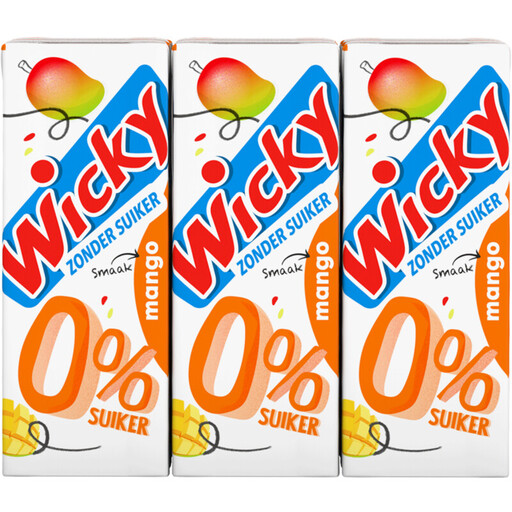
Why this suits the profile: The six 200 ml portions are easy to manage for home, school or on the go. The product information states less than 0.1 grams of sugar and 1 kcal per 100 ml.
The small multipack stops you from buying several litres at once. Just make sure you’re consciously choosing a fruit drink with mango flavour and a low stated mango juice percentage.
6 × 200 ml, less than 0.1 g sugar per 100 ml and added vitamin C according to the product information.

Why this suits the profile: For those who mainly focus on the stated fruit percentage: the product description mentions 30% mango juice and 17 kcal per 100 ml.
The stated juice percentage makes comparison easier. Check the ingredients and nutritional values on the can when you receive it.
12 × 330 ml, 3.96 litres total, 30% stated mango juice and no added sugar according to the product description.
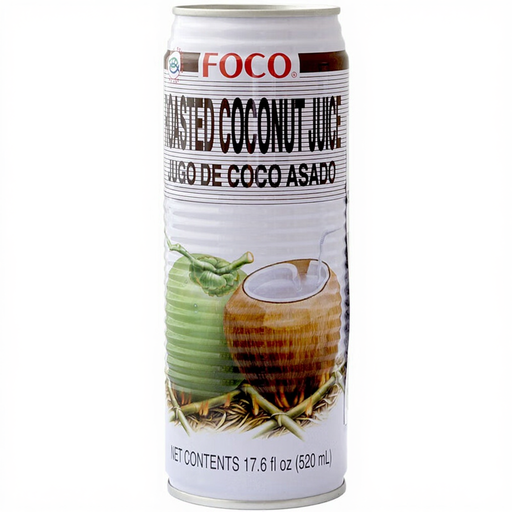
Why this suits the profile: This drink is ideal for coconut lovers who enjoy pulp and a roasted flavour. The 520 ml pack suits individual use.
The ingredients specifically mention 80% roasted coconut liquid and coconut flesh. So you know this isn’t a neutral coconut water without texture.
520 ml, 80% roasted coconut liquid according to the label and 7.7 g sugar per 100 ml.
We’ve put together a full, up-to-date list of products that fully meet these strict selection criteria and comply with current European safety regulations.
For a multipack with no added sugar, you could also look at Iam Superjuice Lychee, Pink Guava, Mangosteen or Soursop. The product descriptions each mention 12 cans of 330 ml, with different values per 100 ml.
If you’re after a distinctive texture, you can choose a fruit drink with nata de coco, such as KATO Mango or KATO Watermelon. For a larger pack, Maaza Guava at 1 litre, Rubicon Lychee at 1 litre and Maaza Lychee with 8 cans are options to compare. With Mogu Mogu Pineapple, check the ingredients extra carefully: the product title mentions nata de coco, while the supplied ingredient information doesn’t clearly confirm this.
Look at the “of which sugars” line per 100 ml. Wicky Mango states less than 0.1 grams of sugar per 100 ml. Iam Superjuice Mango, Lychee, Pink Guava, Mangosteen and Soursop are described in the product information as having no added sugar, but their exact nutritional values differ. So always check the current label.
No. “No added sugar” means that no sugar has been added to the recipe. Fruit components can still contain natural sugars. Only the nutritional information table shows how much sugar the whole product contains per 100 ml.
Store opened fruit drinks in the fridge and consume them according to the instructions on the packaging. Seal a bottle, can or carton properly. Before using, check the best-before information and if the smell, taste or packaging seems off, don’t rely solely on the date.
