
Livraison le jour même et le lendemain

Qualité garantie

Débloquez vos offres de bienvenue: Livraison GRATUITE | Jusqu'à -80 % | 30 jours d'essai gratuits à JoyPlus
Téléchargez l'application
Looking to buy tropical drinks for home, a party or with an Asian meal? You will soon come across terms such as “natural”, “light” and “with real fruit”. These descriptions do not always tell the whole story. For example, a tropical fruit drink may contain little added sugar while still providing naturally occurring sugars. Nor does a striking flavour automatically indicate how much fruit juice it contains.
With this practical guide, you can focus on the information that really matters: nutritional values, ingredients, volume and pack size.
A product labelled “no added sugar” contains no additional added sugar according to the product information. That does not mean the drink contains no sugars. Fruit juice and fruit purée can naturally provide sugars. So always check the table showing carbohydrates and sugars per 100 ml.
A fruit drink with no added sugar may also contain sweeteners. That is not necessarily a problem, but it does affect the flavour and may not suit your preferences.
A mango drink, passion fruit drink or lychee drink may contain juice, juice from concentrate, flavourings or a combination of these. So check the stated percentage of fruit juice. For example, Iam Superjuice Passionfruit Drink states that it contains 30% natural passion fruit juice. That is more specific information than simply calling it “passion fruit”.
A tray of 12 cans may seem good value, but you should also compare the price per litre. A 330ml can is convenient for a single serving, while a 1-litre bottle or carton is better suited to a family or a meal. Also consider the shelf life, storage requirements and how much space you have at home.
Use the value per 100 ml to compare different drinks fairly. The range includes lower-calorie drinks such as:
These figures come from the supplied product information. When your order arrives, also check the current label, as the recipe or packaging may change.
Check whether the drink contains milk, coconut, preservatives, colourings or sweeteners. For example, g’woon Zappie Tropical lists milk as an allergen. Taksi Tropical Fruit is also a fruit drink containing dairy and includes milk.
With an Asian drink such as Mogu Mogu, the flavour is not the only important consideration. The melon variant contains nata de coco, in other words soft coconut jelly, as well as sugar, fructose, food acids and preservative. This creates a different drinking experience from a smooth tropical juice.
Choose the size based on how you intend to use it:
Serving a can or bottle chilled can enhance the flavour. Once opened, many products should be refrigerated and consumed within the period stated on the packaging.
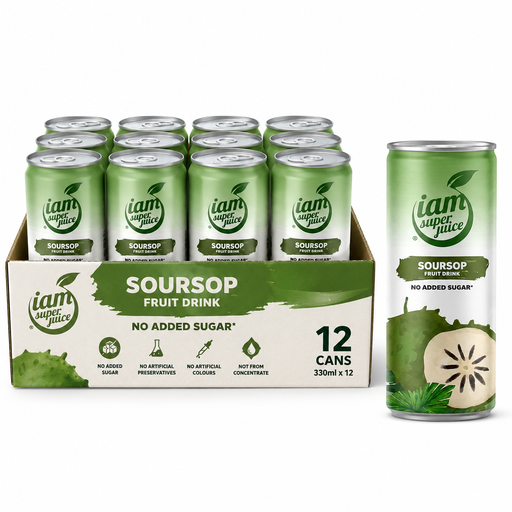
Why it suits this profile: A tray of 12 330 ml cans makes it easy to try an unfamiliar flavour gradually while keeping a supply at home.
The product information states 18 kcal per 100 ml and no added sugar. This lets you compare your choice using verifiable information rather than relying solely on the tropical packaging.
Soursop or guanabana flavour, 330 ml per can and a tray of 12. According to the product description, the drink is not made from concentrate.

Why it suits this profile: For anyone who values a distinctive flavour and clear product specifications more than a standard soft drink.
The product information states that it contains 30% natural passion fruit juice. It also lists 17 kcal per 100 ml and no added sugar.
Sweet-and-sour passion fruit flavour, 12 330 ml cans and, according to the description, vitamin C.
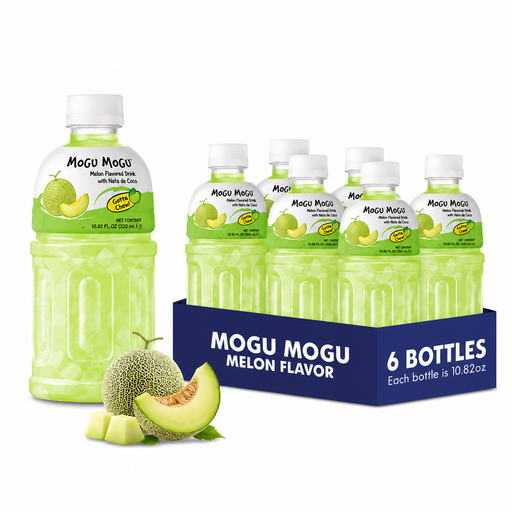
Why it suits this profile: A great choice for parties, tastings or fans of Asian drinks who are looking for something beyond an ordinary soft drink.
The packaging and ingredients make it clear that it contains nata de coco. This means you know in advance that the drink contains pieces and has a chewy texture.
Melon flavour, 320 ml per bottle and a pack of 6. According to the product information, the drink contains 49 kcal and 11 g of sugar per 100 ml.
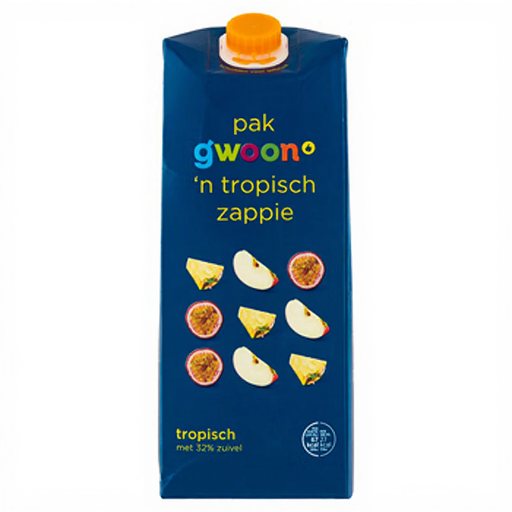
Why it suits this profile: The 1-litre format is ideal for families and meals where several glasses are served.
The nutritional information states 6.3 g of sugar per 100 ml, and the ingredients list includes milk. You can therefore compare it with sugar-free or plant-based options before buying.
1 litre of drink and a tropical blend with apple, pineapple and passion fruit, according to the product description.
We have put together a complete, up-to-date list of products that fully meet these strict selection criteria and the applicable European safety regulations.
For a fresh, sparkling option, Calypso Yuzu Lychee Lemonade is available in 473 ml and as a multipack. The product information states 46 kcal and 11 g of sugar per 100 ml. If you are looking for a mango drink, consider Jarritos Mango with sugar and carbonation, or Iam Superjuice Mango, which contains 30% mango juice and no added sugar according to the description.
Coconut water is another distinct category. Iam Superjuice Coconut Water states that it contains 100% coconut water and 2% real coconut pieces. With coconut products, always check the allergen information. For a drink that you dilute yourself, Teisseire Tropical Squash is an option; the product description mentions sweeteners, concentrated fruit juices and a recommended dilution.
This depends on the product and serving size. Based on the information supplied, Iam Superjuice Lychee, with 15 kcal per 100 ml, Pink Guava, with 16 kcal, and Passionfruit and Mango, with 17 kcal, are among the lower-energy options. Always compare both per 100 ml and per can.
No. “No added sugar” means that no additional sugar has been added to the recipe. The product may still contain sugars from fruit or sweeteners. So read the ingredients list and nutritional information table.
Follow the instructions on the label. Many fruit drinks, soft drinks and Asian drinks should be refrigerated after opening and consumed promptly. Unopened packaging should generally be stored in a cool, dry place away from direct sunlight.
