
Vandaag of morgen in huis

Kwaliteit gegarandeerd

Welkomstaanbiedingen ontgrendelen: GRATIS bezorging | Tot 80% korting | Gratis 30 dagen JoyPlus-proefperiode
Download de app
Buying shoes online may seem straightforward, but an appealing photo and a well-known brand name reveal little about fit, grip or everyday comfort. If you are planning to buy trainers or sports shoes online, it is worth comparing how you will use them, the sizing and the construction first. This applies to men’s trainers, women’s trainers, children’s shoes and sports shoes for running, walking or outdoor activities.
A thick or soft midsole may feel comfortable when trying the shoe on, but that does not automatically mean the shoe is suitable for long walks or running. Pay attention to the material and the construction of the sole. According to the product description, EVA, Dreamstrike foam, Cloudfoam and similar foam materials may provide a softer feel underfoot, but the experience varies from one foot and usage situation to another.
For everyday use, a comfortable shoe is often sufficient. For longer distances, cushioning, stability and a suitable fit are more important than simply having a soft feel.
A size 42 does not offer exactly the same internal space in every brand or model. The width of the last, the shape of the toe box and the thickness of the lining also affect the fit. Therefore, always check:
A slightly roomier toe area can be helpful in running shoes. Children’s feet also grow quickly, but too much extra space can cause the foot to slide inside the shoe.
Casual trainers are intended for everyday use and are not automatically suitable for running. A lifestyle model such as the Nike Dunk Low or New Balance 574 may work well for work, school or leisure, but it has a different construction from running shoes or trail-running shoes.
For unpaved paths, tread, grip and protection are important. On asphalt, you should focus more on a smooth roll-through, breathable materials and cushioning. A walking shoe or outdoor-focused trainer may be more practical on mixed terrain than a smooth casual sole.
Laces allow you to adjust the tension around the instep. Hook-and-loop fastening is practical for children who want to put their shoes on themselves. A standard width does not suit everyone; if you have a wider forefoot, look for a model with a roomier last or wide toe box.
As well as the size, look at the product photos and description. A closed toe, padded collar and removable insole can affect ease of use. For children’s shoes, check whether the insole is removable if that is important to you.
Mesh and textile generally allow more air to circulate than synthetic leather. This can be useful during sport or in warm weather. Synthetic leather and suede look more robust and are often easier to clean locally, but they may be less breathable.
A breathable upper does not guarantee that your feet will stay dry. According to the product description of some models, the material is designed to help disperse air or moisture more effectively. Treat this as a product specification rather than a guaranteed result for every user.
A rubber outsole provides grip and durability, but the tread also helps determine what the shoe is suitable for. Look for:
For example, Salomon running shoes and trail models often have an outsole that, according to the product information, is designed for mixed terrain. Use such claims as a starting point, and also check that the fit and size are right for you.
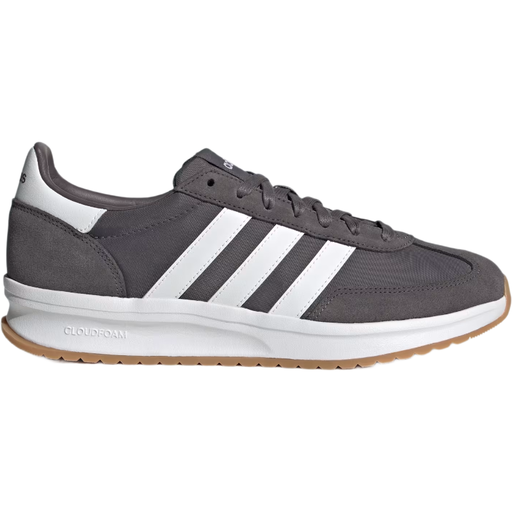
Why it suits this profile: The retro style works well with everyday outfits and, according to the product description, the model feels lightweight, with a breathable upper and rubber outsole.
The description names specific materials and a rubber sole rather than using general comfort claims alone. Use the shoe mainly for everyday wear, not as a specialised running shoe.
Textile and synthetic materials, a rubber outsole and a classic low-profile design.
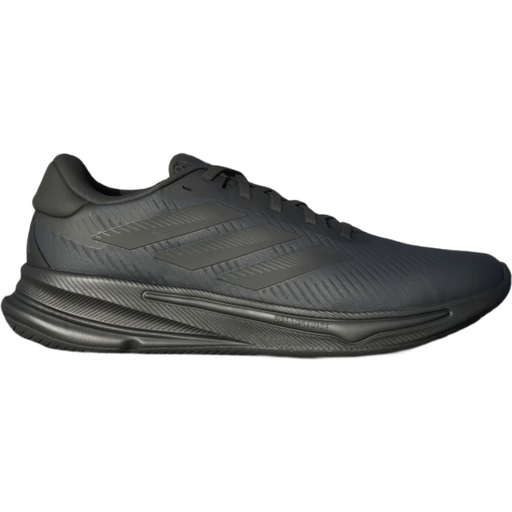
Why it suits this profile: According to the product description, this model is designed for short to medium-distance runs, with a mesh upper and a full-length Dreamstrike midsole.
The description gives a clear intended use and specifies the sole construction. This makes it easier to distinguish the model from casual adidas trainers.
Breathable mesh, lace fastening, rubber studs and a Dreamstrike midsole according to the product information.
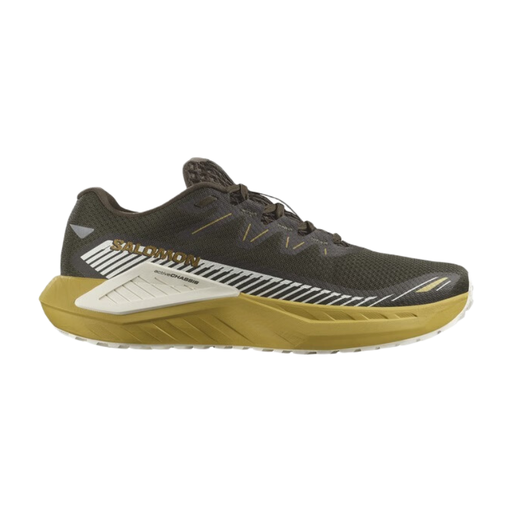
Why it suits this profile: The product information mentions Active Chassis, Energy Foam and an All Terrain Contagrip outsole for gravel and mixed terrain.
The intended terrain and sole technology are described clearly. This helps prevent you from choosing a smooth casual trainer for unpaved or wet paths.
Mesh upper, EVA-based Energy Foam and rubber All Terrain Contagrip sole according to the product description.
First, create a shortlist based on your activity:
Before paying, also check the delivery information, returns policy, available size and statutory guarantee. Some adidas models in this overview state a statutory guarantee of at least two years; always check the information on the specific product page.
We have put together a complete, up-to-date list of products that fully meet these strict selection criteria and the applicable European safety regulations.
Measure your foot at the end of the day while wearing the socks you normally use. Compare the length with the model’s size chart and check the width too. If you are unsure between two sizes, the returns policy is important, as brands and models may fit differently.
Their lifespan depends on usage, the surface, body weight, care and materials. Look for wear on the outsole, tears in the upper and a midsole that has collapsed or become misshapen. Sports shoes used intensively may lose their original properties sooner than shoes worn for gentle everyday activities.
No. Comfort mainly depends on fit, width, cushioning and the purpose for which you use the shoe. An affordable model in the right size may feel more comfortable than a more expensive model that is too narrow or too large. Therefore, compare the technical specifications and intended use first, and only then consider the price.
