
Livraison le jour même et le lendemain

Qualité garantie

Débloquez vos offres de bienvenue: Livraison GRATUITE | Jusqu'à -80 % | 30 jours d'essai gratuits à JoyPlus
Téléchargez l'application
When you buy tofu and soy products online, you’ll quickly come across terms like “high in protein”, “traditional” and “versatile”. But these words only mean something once you’ve checked the ingredients list, storage method and preparation instructions. A wrong choice can lead to tofu that falls apart, a product that’s too salty, or a pack that doesn’t suit your dish.
This guide will help you make a targeted selection from beancurd, tofu for hotpot, fried tofu, tofu skin, tofu knots, dried tofu, tofu puffs, edamame soybeans and other Asian soy products.
“Tofu” can refer to silken tofu, firm tofu, dried tofu or fried tofu. For a hotpot, you’ll usually need a product that won’t fall apart straight away. For a salad or cold dish, a thin tofu skin can be more convenient.
So look out for words like firm, dried, fried, sheet, knots or puffs. They give you a first clue about the structure and how to prepare it.
Compare nutritional values per 100g, not just per pack. A fried product, for example, often contains more fat than unfried tofu. With dried tofu, the values per 100g may look high because the product contains little water. After soaking, the weight changes and so does the ratio per serving.
According to the product information, Freshasia Fried Beancurd contains 24g of protein per 100g. That’s a verifiable nutritional value from the product specification, not a general promise for all fried tofu.
Frozen tofu, tofu puffs and edamame soybeans generally need to be stored at -18 °C or below. A product that has fully thawed during transit or at home must not be refrozen according to the stated usage instructions. So plan space in your freezer and check the packaging on arrival.
Chilled tofu and tofu skin have a shorter use-by period once opened. Always check the label and follow the stated temperature and shelf life.
Also check whether a product is raw, pre-cooked or ready to use. FRESHASIA Chiba Tofu, for example, states that the product must be thoroughly heated before consumption.
Most products in this category contain soybeans. Some varieties also contain wheat or gluten. Chiba Tofu, for instance, lists both soybeans and wheat gluten. With tofu skin, dried tofu and tofu knots, the ingredients list is often shorter, for example soybeans, water and salt.
Check the list extra carefully when you’re preparing vegetarian or vegan dishes. Not every product in the range is fully plant-based: composite packs may also contain fish, egg or meat. The pack with FRESHASIA Wanniang products, for example, contains several ingredients with fish, egg and beef alongside a platter of soy products.
A pack of 150g to 227g is handy for one hotpot meal or as an addition to vegetables and noodles. A 400g bag of edamame is better suited to multiple portions or regular use.
Check these points before you buy:
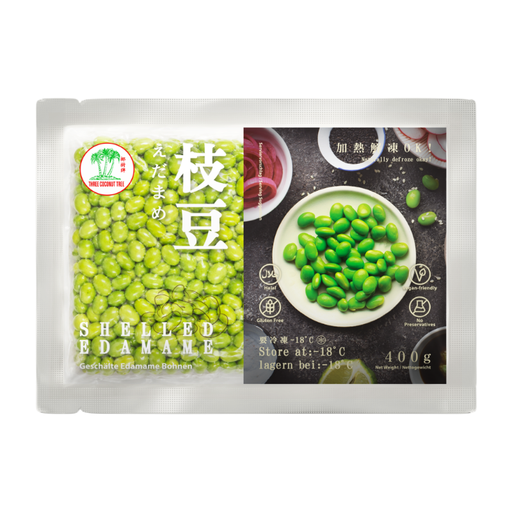
Why this fits the profile: A straightforward choice for anyone wanting to start with edamame soybeans as a snack, side dish or salad ingredient.
The ingredients list states 100% edamame. So you know exactly what you’re buying and don’t need to plan any complicated preparation.
400g, frozen and, according to the product information, ready to heat in 2–3 minutes.
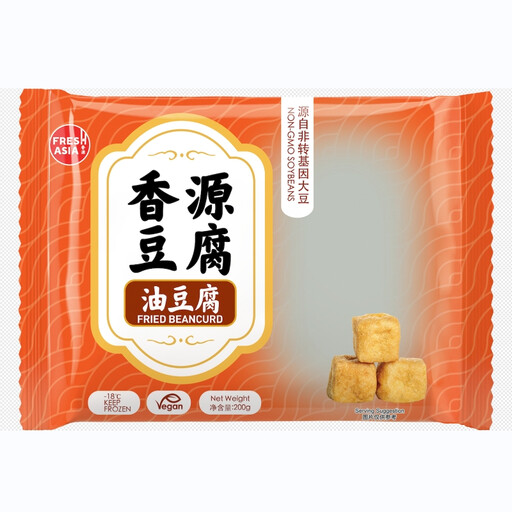
Why this fits the profile: Ideal for anyone looking for a firm exterior and soft, porous inside for hotpot, stews and stir-fries.
The product description specifies the fried texture and gives a protein value of 24g per 100g.
Easily absorbs broth and sauces; delivered frozen at -18 °C or below.
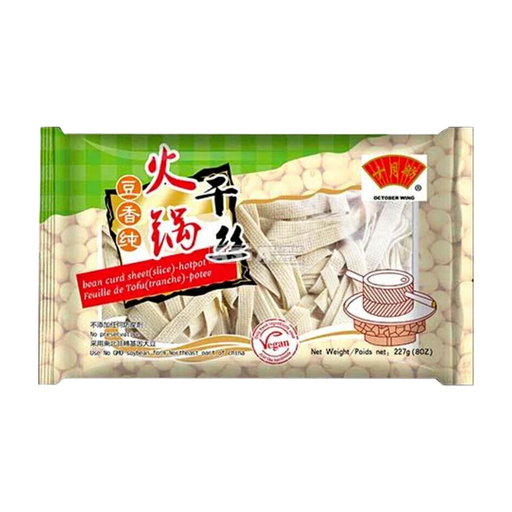
Why this fits the profile: Handy for anyone who regularly makes hotpot, mala tang, oden or stewed dishes and wants a store-cupboard staple.
The dry form reduces reliance on freezer space. However, you do need to soak the strips for 20–30 minutes and then cook for 10–15 minutes.
227g dried tofu, made with soybeans and water; suitable for several cooking techniques.
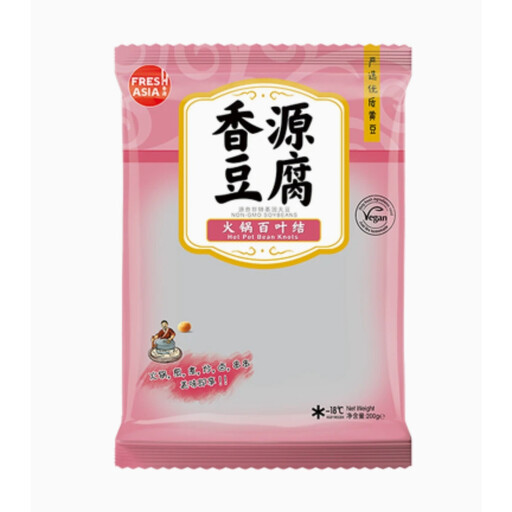
Why this fits the profile: The knotted shape suits vegetarian hotpot and spicy soups where ingredients need to stay firm.
The product form is clearly described as a knot of beancurd skin. This makes the texture more predictable than with a general tofu listing.
22g protein per 100g according to the product information; keep refrigerated after opening.
We’ve put together a full, up-to-date list of products that fully meet these strict selection criteria and comply with current European safety regulations.
Add tofu puffs and fried tofu only once the broth is piping hot. This way they absorb flavour without needing to cook for too long. Tofu knots and dried tofu may need a little longer. Tofu skin and thin sheets are often quicker to cook and work well in rolls, stir-fries and cold salads.
For edamame in the pod, a short heat is enough according to the product instructions. Let the product cool slightly afterwards, then shell the beans. Combine soy products with mushrooms, pak choi, noodles or rice for a complete meal.
Tofu skin is a thin, pressed layer of soybeans that you can slice, stuff or briefly cook. Dried tofu has very little moisture and usually needs to be soaked first. This makes it last longer in the store cupboard, but it requires extra preparation.
Firm tofu, beancurd knots, tofu puffs and fried tofu are practical choices. Check the cooking time: silken tofu can break more easily, while dried varieties need to rehydrate first.
Store them at -18 °C or below and follow the instructions on the pack. Do not refreeze thawed products. Chilled tofu and tofu skin belong in the fridge and must be used within the stated period after opening.
