
Vandaag of morgen in huis

Kwaliteit gegarandeerd

Welkomstaanbiedingen ontgrendelen: GRATIS bezorging | Tot 80% korting | Gratis 30 dagen JoyPlus-proefperiode
Download de app
Having a good supply of tissues at home is an absolute essential. Whether for a sudden cold, hay fever, or a spilled coffee, you don't want to be caught without them. A bulk-buy of tissues seems like the smartest choice. You save money and make fewer trips to the store. But not every value pack is a good deal. Some choices lead to frustration and a sore nose.
Before you stock up on a large box, it's wise to know the pitfalls. Many consumers fall into these common marketing traps:
To make a smart purchase, you just need to pay attention to a few clear specifications. This way, you can be sure you're getting value for your money.
The number of paper layers per tissue determines its strength and absorbency.
The foundation of every tissue is its pulp. Most tissues are made from 100% virgin wood pulp (new wood fibres), which provides a soft and hygienic base. Also, pay attention to any additives. Are you looking for tissues for sensitive skin? Then choose a variant without perfume, dyes, or alcohol. Some tissues contain a soothing lotion (often with aloe vera or calendula), which can be pleasant for a sore nose, but check that it doesn't contain any irritating substances.
The best way to judge a paper handkerchief deal is to calculate the price per sheet. This is simpler than it sounds. Divide the total price by the total number of sheets in the package. This allows you to fairly compare a value pack of handkerchiefs from brand A with a tissue box from brand B, regardless of the packaging size.
Based on these criteria, we have highlighted a number of products that suit specific user profiles.
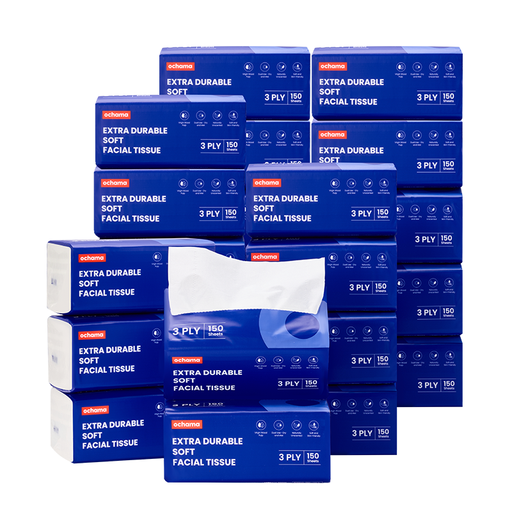
Why This Fits Their Persona: This bulk pack with 3600 sheets is ideal for a busy household. The 3-ply structure offers a good balance between strength and softness for daily use, from wiping noses to cleaning up small spills.
This is an honest value pack. You get a large, clearly stated quantity of 3-ply tissues, so you don't feel like you're sacrificing quality for a good price.
The manufacturer states that the tissues are tear-resistant, even when wet. The large quantity ensures you'll be well-stocked for a long time.
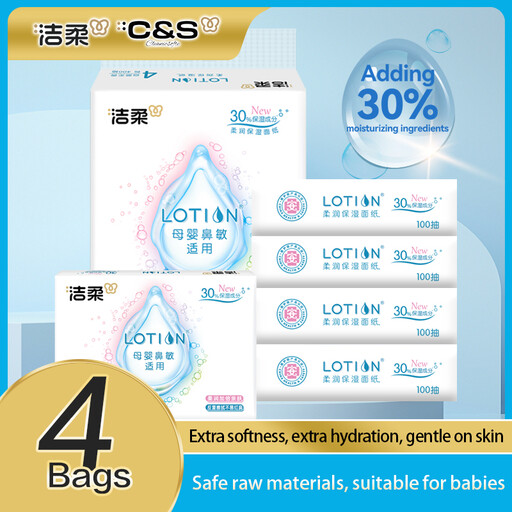
Why This Fits Their Persona: These tissues are enriched with a lotion and are, according to the manufacturer, fragrance-free. They are specifically designed for sensitive skin, including that of babies, and provide extra care for a runny nose.
Instead of using irritating perfumes, these tissues contain a soothing lotion. The product information is transparent about the ingredients, which are claimed to be food-grade quality.
The silky texture helps prevent chapped skin around the nose. The 3-ply structure ensures sufficient strength.
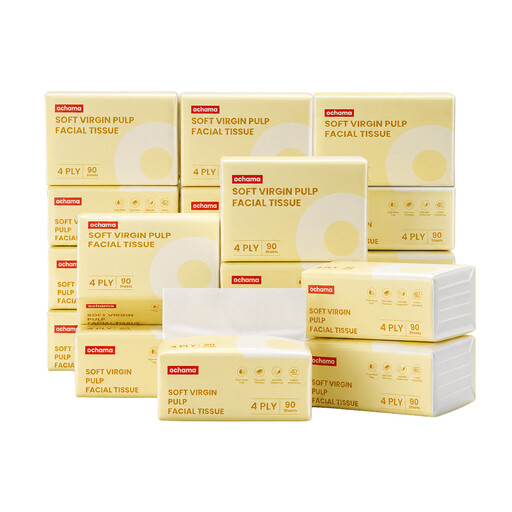
Why This Fits Their Persona: For those who won't settle for thin tissues. These 4-ply tissues are extra thick and absorbent, making them ideal for a heavy cold or even as an alternative to a napkin.
These tissues directly tackle the problem of wafer-thin paper. The four layers provide the sturdiness often lacking in standard tissues, meaning you need to use fewer of them.
The combination of four layers and a 4D emboss creates a product that feels both strong and soft. Suitable for both wet and dry use.
We have compiled a complete, real-time list of products that fully satisfy these strict selection criteria and UK safety regulations.
The main difference is thickness and strength. 4-ply tissues are noticeably thicker and can absorb more moisture before they tear. This makes them more suitable for heavy-duty use, such as with a severe cold. 3-ply tissues are an excellent all-rounder for daily use, offering a good balance between strength and price.
That depends on the lotion. Tissues with a soothing, fragrance-free lotion can help calm the skin around a sore nose. Always choose a product that explicitly states it is suitable for sensitive skin and check that it contains no alcohol or strong fragrances, as these can cause irritation.
No, it is strongly advised not to flush tissues down the toilet. Unlike toilet paper, tissues are designed to maintain their strength when wet. As a result, they do not break down in water and can cause serious blockages in the sewage system. Always dispose of used tissues in a waste bin.
