
Vandaag of morgen in huis

Kwaliteit gegarandeerd

Welkomstaanbiedingen ontgrendelen: GRATIS bezorging | Tot 80% korting | Gratis 30 dagen JoyPlus-proefperiode
Download de app
Whether you're planning to make homemade hummus, looking for a creamy dressing for your salad, or want to serve a Middle Eastern meal, chances are you'll need tahini. But when you go to buy tahini, you quickly discover there's more choice than you might have expected. Light or dark sesame paste? Pure or blended with other ingredients? And which brand is the best fit for your dish?
This guide is designed to help you make an informed choice. We'll explain the differences and provide a few concrete recommendations based on product specifications and applications, so you know exactly what you're getting.
Before you pick a jar, it's helpful to understand a few basic principles. This will help you find the right sesame paste for your kitchen.
The most important difference in tahini lies in its foundation: the sesame seeds.
tahini for hummus or light sauces.Most tahini consists of 100% sesame seeds, but there are also interesting mixes available.
Although tahini is used all over the world, there are regional preferences. Turkish tahini, like that from the brand Koska, is a well-known player and is often associated with Middle Eastern and Mediterranean cuisine. Other sesame pastes, especially those mixed with peanuts, more often originate from Asian cuisine and are ideal for noodle dishes or as a dipping sauce for hot pot. So, think about what you want to make with it.
Based on the different types and their applications, we have made a selection of popular choices available online.
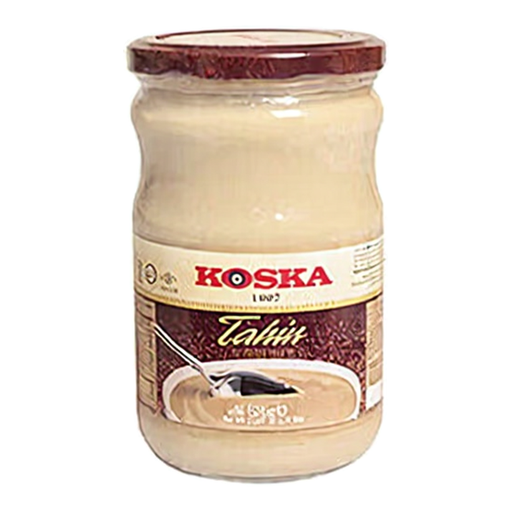
Why It Stands Out This is a classic dark Turkish tahini, made from 100% roasted, unhulled sesame seeds. The large 620-gram glass jar makes it a practical choice for those who use tahini regularly. The flavour is full and intense, exactly what you'd expect from a dark sesame paste.
Product Features
Who Is It For? For the home cook who appreciates a deep, nutty sesame flavour. Ideal for enriching stews, marinades, or a tahini sauce with a powerful character. Less suitable for those who want to make a very mild and light hummus.
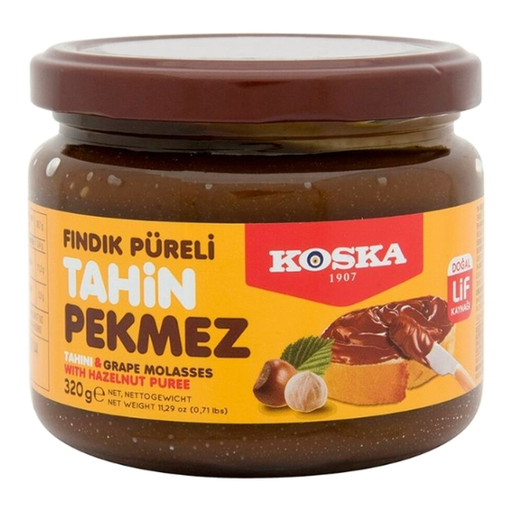
Why It Stands Out This paste from Koska is not a pure tahini, but an interesting blend. The combination of 60% tahini and 40% hazelnut paste creates a unique flavour that is both nutty and creamy. It's a ready-to-use spread that requires no further preparation.
Product Features
Who Is It For? Perfect for those looking for a nutritious and flavourful alternative to traditional spreads like peanut butter or chocolate spread. Also a great choice for creative baking or as a topping on pancakes.
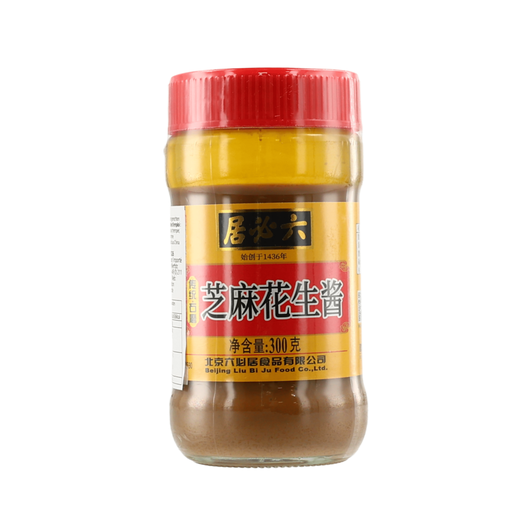
Why It Stands Out This paste from the historic brand Liubiju is specifically developed for Asian cuisine. It's a perfect 50/50 mix of sesame and peanut, resulting in a creamy and rich paste. The traditional stone-grinding technique the brand claims to use helps to preserve the natural oils and flavours.
Product Features
Who Is It For? An excellent choice for lovers of Chinese and other Asian cuisines. If you enjoy eating hot pot or making your own noodle sauces, this blend is an authentic and practical addition to your pantry.
If your perfect match isn't here, or if you're curious about other varieties, there are many more types of sesame and nut pastes to discover, each with its own unique flavour and texture.
? View our full range of sesame and nut pastes here
In practice, there is no difference. Sesame paste is the literal English term for the product, while tahini is the name adopted from Arabic and used widely internationally. Both terms refer to a paste made from ground sesame seeds.
A simple tahini sauce is easy to make. Mix a few tablespoons of tahini with the juice of half a lemon, a crushed garlic clove, and a pinch of salt. Gradually add cold water while stirring until the sauce reaches the desired consistency. Delicious over falafel, salads, or grilled vegetables.
Before opening, tahini can be stored in a cool, dark place like a pantry. After opening, most manufacturers recommend storing the jar in the refrigerator. This helps prevent the oil from separating and keeps the paste fresh for longer. The tahini might become firmer in the fridge; if so, let it come to room temperature for a bit or stir it well before use. Always check the label for the product's specific storage instructions.
