
Vandaag of morgen in huis

Kwaliteit gegarandeerd

Welkomstaanbiedingen ontgrendelen: GRATIS bezorging | Tot 80% korting | Gratis 30 dagen JoyPlus-proefperiode
Download de app
Anyone looking to buy syrup online will soon come across dozens of flavours, brands and pack sizes. However, a bottle intended for squash is not automatically suitable for coffee, desserts or an Asian marinade. Terms such as “natural”, “sugar-free” and “with fruit” only tell you so much until you check the ingredients list and nutritional information.
With this practical buying guide, you can compare squash syrup, fruit syrup, dessert sauce and syrups for international dishes based on their intended use, ingredients and contents.
“Raspberry”, “tropical” or “pomegranate” may refer to fruit juice, fruit concentrate, flavouring or a combination of these. So check:
A fruit syrup with a recognisable flavour is therefore not necessarily the same as a syrup with a high fruit content.
With sugar-free syrup or syrup without sugar, sugar is often replaced with sweeteners. The label may list ingredients such as sucralose, steviol glycosides or acesulfame-K. This may suit anyone looking to reduce the amount of sugar in their drink, but the flavour and ingredients will differ from those of a traditional syrup containing sugar.
Also check the nutritional information table. A product may contain 0 grams of sugar according to the product information, while still containing added sweeteners. If you have allergies, intolerances or specific dietary preferences, always check the full packaging.
Do not compare the bottle price alone. Also look at:
For example, Karvan Cevitam Original states a mixing ratio of 1 part syrup to 9 parts water and indicates that a 600 ml bottle makes up to approximately 6 litres of squash. According to the product information, Slimpie Raspberry uses a ratio of 1 to 11, producing almost 8 litres of drink from a 650 ml bottle.
Start by considering how you plan to use it. Syrup for squash is usually thinner and intended to be mixed with still or sparkling water. Syrup for desserts is often thicker and more concentrated, so it stays on ice cream, yoghurt, pancakes or porridge.
For cocktails and mocktails, grenadine, raspberry syrup and strawberry syrup are practical choices. Orgeat syrup has a sweet almond flavour and works well in drinks and desserts. Always check the allergen information for orgeat: the Pueblo product lists almonds.
Different properties matter when cooking. Turkish carob syrup, also known as pekmez, has a dark, earthy flavour. Korean glucose syrup is designed to add shine, stickiness and sweetness to marinades, stir-fries and dishes such as tteokbokki.
Compare the values per 100 ml or 100 grams, rather than relying only on the claim on the front of the pack. The available product information shows clear differences:
A low-calorie option may therefore suit anyone wanting to limit their sugar intake in homemade squash, while a traditional caramel syrup is mainly intended as a sweet topping.
Always check the 14 major EU allergens on the label. The product information states, for example, that Pueblo Orgeade contains almonds and that Hero Tova caramel sauce contains milk. Oncu Pomegranate Syrup Sauce lists sulphites.
Many fruit syrups need to be stored in the fridge after opening. Karvan Cevitam and Slimpie state this explicitly in their storage instructions. Also keep syrups tightly sealed and follow the date and instructions on the packaging. If the seal is damaged, it is best not to use the product.
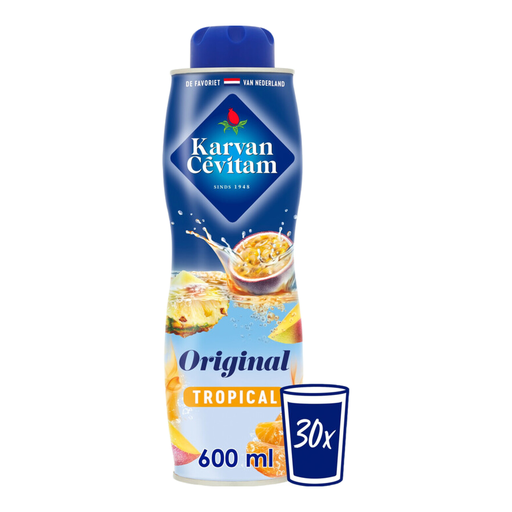
Why it suits this profile: The 600 ml bottle is designed for everyday squash and can make up to approximately 6 litres of drink according to the product information. The tropical fruit flavour works well with still water, sparkling water and mocktails.
The recommended ratio and yield are stated, making it easier to estimate the cost per glass.
75% fruit juice from concentrate according to the product information, 60 mg of vitamin C per 100 ml and none of the 14 listed EU allergens.
Why it suits this profile: This orgeat syrup is ideal for anyone looking for a distinctive almond flavour in drinks, cocktails and desserts.
The product description states how it can be used and lists almonds as an allergen, so your choice is not based on the flavour name alone.
1-litre capacity, glass bottle and a clearly defined use for drinks and desserts.
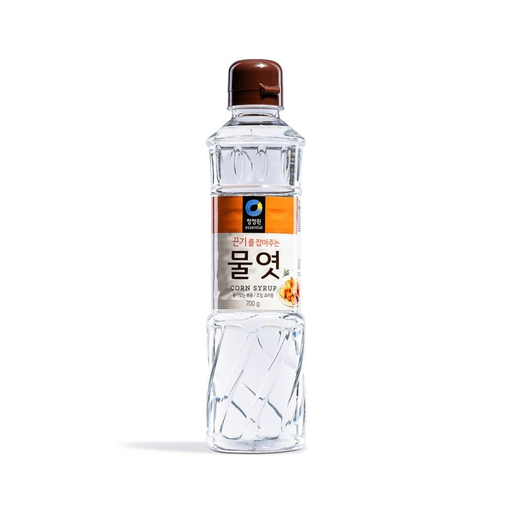
Why it suits this profile: This Korean glucose syrup is made for marinades, glazes, stir-fries and traditional sweets, rather than primarily for squash.
Its specific culinary purpose prevents you from buying a drink syrup for a recipe that requires stickiness and shine.
700 grams, made from corn starch and containing more than 55% maltose according to the product description.
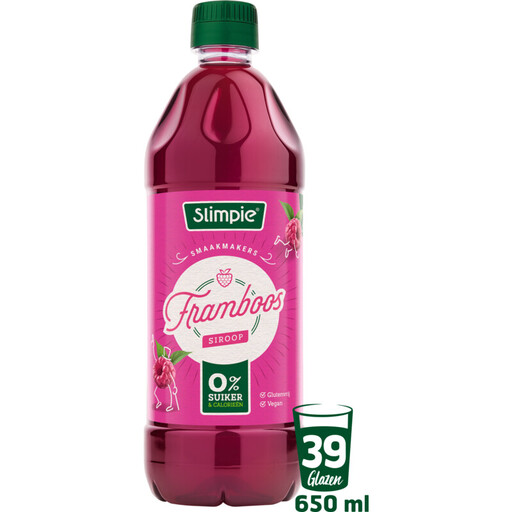
Why it suits this profile: The product information states 0% sugar, 0 calories, a vegan formulation and a yield of approximately 39 glasses.
The nutritional values and mixing ratio are clearly stated. However, always check the current packaging and the sweeteners used.
650 ml capacity, raspberry flavour, gluten-free according to the product information and none of the 14 listed EU allergens.
We have put together a complete, up-to-date list of products that fully meet these strict selection criteria and the applicable European safety regulations.
Choose a squash syrup with a clear mixing ratio and check how much finished drink one bottle makes. For sparkling water and mocktails, fruity flavours such as strawberry, raspberry, tropical or grenadine are practical choices. The right amount depends on your preferred sweetness and the instructions on the label.
In practice, both terms are used for syrups containing little or no sugar, but always check the nutritional information table. Syrup without sugar may contain sweeteners. So look out for ingredients such as sucralose, stevia or acesulfame-K and compare the values per 100 ml.
This varies from product to product. Fruit syrups such as many squash syrups generally need to be refrigerated after opening. Thicker syrups and dessert products may have different instructions. Always follow the storage information, seal the bottle or jar tightly and do not use the product if the packaging is damaged.
