
Vandaag of morgen in huis

Kwaliteit gegarandeerd

Welkomstaanbiedingen ontgrendelen: GRATIS bezorging | Tot 80% korting | Gratis 30 dagen JoyPlus-proefperiode
Download de app
Are you looking to buy syrup for squash, cocktails, desserts or breakfast? The range on offer stretches from classic squash syrup and fruit syrup to Turkish syrup, Asian syrup and sugar-free varieties. But the packaging and product name don't always tell you what you need. A bottle that's fine for fizzy drinks, for example, might be less suitable for desserts or warm dishes.
When comparing, watch out for three common pitfalls:
First, think about how you'll use it. For a jug of squash, you want a syrup that mixes easily with still or sparkling water. For cocktails, bold flavours like passion fruit, rose or pomegranate are more interesting. A syrup for desserts, on the other hand, needs to be easy to dose and have the right consistency.
Compare per 100 ml or 100 g:
The product information for Slimpie Orange Raspberry states 0 g sugar and 7 kcal per 100 ml, along with sucralose and acesulfame-K. That makes this option relevant if you want to cut down on sugar and calories, but not if you're looking for products with no sweeteners at all.
A syrup for squash is practical when the bottle clearly states how much drink you can make. Slimpie Lemon Syrup and Slimpie Ice Tea Peach Syrup list a mixing ratio of 1:11. According to the product description, a 650 ml bottle can therefore yield around 39 glasses.
Use the ratio as a starting point and adjust the flavour with more or less water. For a cocktail or dessert syrup, a different dosage usually applies. Here, a concentrated flavour matters more than the number of glasses.
Don't compare millilitres and grams blindly: a thick, syrupy product can be weighed differently from a thin drink base. Also check:
For many products, the product information advises: store in a cool, dry place away from direct sunlight. For the most up-to-date shelf life and storage instructions, always follow the label.
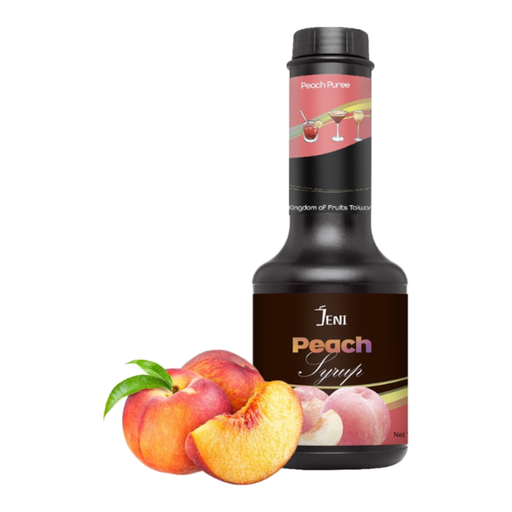
Why this fits the profile: The 456 ml/600 g bottle is designed for squash and mixed drinks. According to the product information, you can mix the syrup with water or sparkling water and use it for desserts.
The use and contents are clearly stated, so you're not relying on the flavour name alone.
Peach flavours for drinks; suitable for water, sparkling water, cocktails and desserts according to the product description.
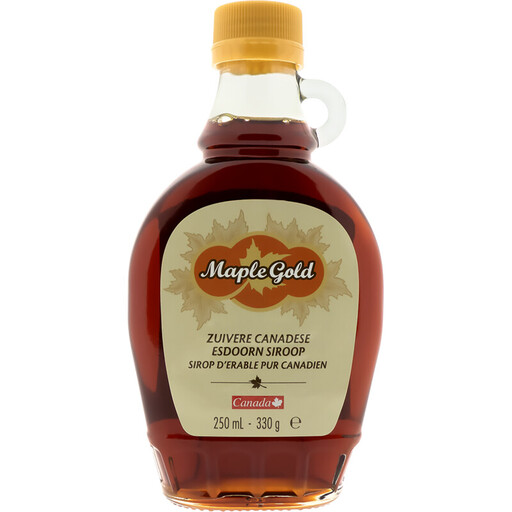
Why this fits the profile: If you're after a simple ingredients list, this one shows 100% natural maple syrup from Canada, according to the product information.
The ingredients list contains no sugar syrup, flavourings or colourings, only natural maple syrup.
250 ml; suitable for pancakes and ice cream; according to the product information, refrigerate after opening.
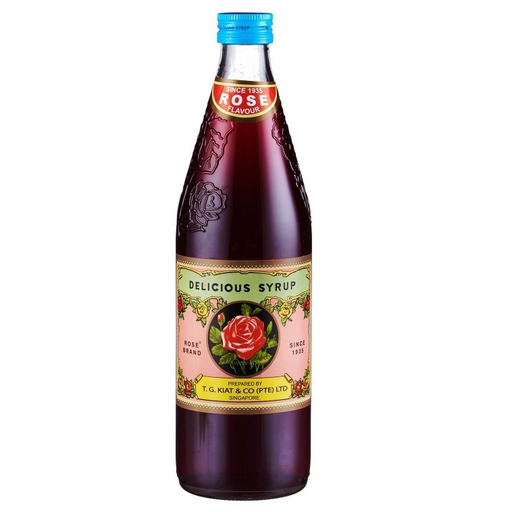
Why this fits the profile: The 750 ml bottle is useful for rose squash, milk drinks, cocktails, baking and ice cream, according to the product description.
Its versatile use stops you buying a syrup that's only good for one type of drink.
750 ml volume; floral rose aroma; according to the product information, free from the 14 major EU allergens.
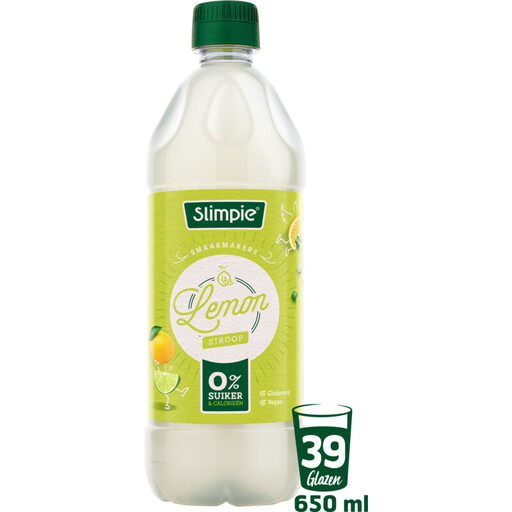
Why this fits the profile: According to the product information, this lemon syrup contains 0 g sugar and 0 kcal per 100 g, and the bottle is designed to make plenty of glasses of squash.
The nutritional values and mixing ratio are clearly stated, so you can compare sugar content and yield.
650 ml; mixing ratio 1:11; according to the product information, vegan and gluten-free.
We've put together a full, up-to-date list of products that fully meet these strict selection criteria and comply with current European safety regulations.
Choose a product that states it can be mixed with water or sparkling water. Also check the mixing ratio, volume and nutritional information. Slimpie Lemon Syrup and Slimpie Ice Tea Peach Syrup, for example, list a ratio of 1:11. Fruit varieties such as peach, mango, passion fruit and strawberry are also suitable for homemade squash, depending on the instructions on the label.
Not always, but many sugar-free products are low in calories because sugar has been replaced with sweeteners. Check the table per 100 ml or 100 g. Also pay attention to the portion size after dilution. The product information for Slimpie Orange Raspberry and Slimpie Lemon states a low energy value, whereas regular fruit syrup often contains significantly more carbohydrates and sugars.
This varies by product. Store an opened syrup according to the label; many varieties need to be refrigerated and used within a stated period. Close the bottle tightly after each use and don't use any product with damaged packaging. The best-before date and current storage instructions on the packaging take precedence over information from a general product description.
