
Vandaag of morgen in huis

Kwaliteit gegarandeerd

Welkomstaanbiedingen ontgrendelen: GRATIS bezorging | Tot 80% korting | Gratis 30 dagen JoyPlus-proefperiode
Download de app
Anyone looking to buy sweets online will soon find hundreds of choices: soft sweets, gummies, fruit gums, sour sweets and international snacks. Yet cheerful packaging says little about flavour, ingredients or whether a product is suitable for your household. When ordering sweets for children, a party or your store cupboard, three pitfalls are particularly important.
A 400-gram bag is handy as sweets to share, but less practical when you are looking for small portions. Large packs may also remain open for longer, which can affect the texture of soft sweets. So do not just look at the total price. Also check the net weight, number of portions and shelf life.
Words such as fruity, peach or strawberry often refer to the flavour rather than a high fruit content. Check the ingredients list. For example, Cokoc Triple-Layer Juicy Burst Gummies state that they contain 10% concentrated fruit juice. In other products, the fruit flavour mainly comes from flavourings and colouring plant or fruit concentrates.
Gummies often contain gelatine. This may come from beef or pork, and does not automatically make a product vegetarian or vegan. Wheat, milk and ‘may contain’ information also deserve attention. A product that is free from the 14 main EU allergens is not necessarily suitable for every individual dietary preference. Always check the current packaging and product page.
First decide what you need the sweets for:
For young children, pay attention to the shape and size. Small, firm sweets can pose a choking hazard. Supervise children and follow the age and usage instructions on the packaging.
Compare the nutritional value per 100 grams or 100 millilitres, rather than looking only at the values per portion. This makes it easier to see the differences between products. According to the product information, Red Band Winegums Originals contain 342 kcal and 56 grams of sugars per 100 grams. Haribo Peaches contain 349 kcal and 63 grams of sugars per 100 grams.
If you are looking for a sugar-free jelly snack, pay particularly close attention to the ingredients. Jelly B Konjac Jelly Lychee states that it contains 0 grams of sugar per 100 millilitres and uses, among other ingredients, erythritol, sucralose and acesulfame K. This makes it a different choice from ordinary gummies, but ‘sugar-free’ does not mean that the product is suitable for every individual dietary requirement. Always check the full nutritional table.
Before checking out, confirm:
With international products, such as Korean sweets, Turkish sweets or snacks from South-East Asia, the flavour, packaging and ingredients may differ from those of familiar Dutch brands. That makes them particularly interesting if you want to try something new, but it also makes checking the product information even more important.
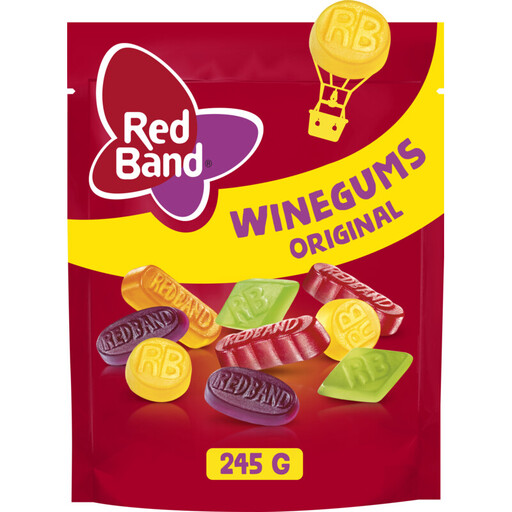
Why it suits this profile: A familiar Dutch choice with fruity and liquorice-style flavours, without having to order a very large supply straight away.
At 245 grams, the weight is easier to compare than that of vaguely described value packs. The ingredients and nutritional value are listed on the product page.
245 g; gluten-free according to the product information; suitable for sharing.

Why it suits this profile: For anyone looking for a Korean jelly snack with lychee flavour and portable packaging instead of classic winegums.
The contents are clearly specified as 150 ml. The nutritional information states 3 kcal and 0 grams of sugar per 100 ml; check the current packaging for the full ingredients.
150 ml per pouch; lychee flavour; drinkable konjac texture; produced in Korea according to the product information.
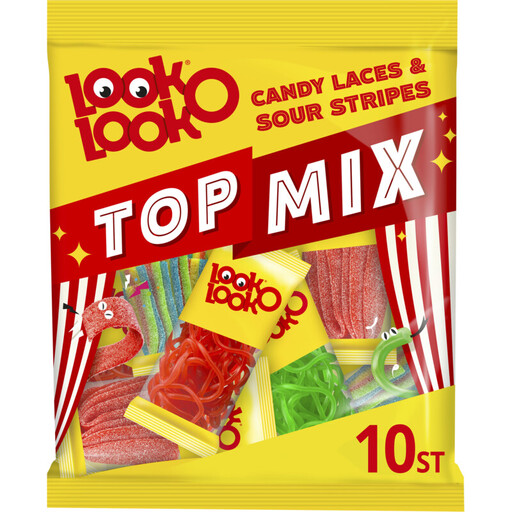
Why it suits this profile: A practical choice for parties, treats and families who want to hand out several small portions.
The pack contains 10 small individual portions. This means you do not have to open a large bag straight away for a single treat occasion.
10 individual packs; combination of sweet strips and sour strips; 215 g total weight.
We have put together a complete, up-to-date list of products that fully meet these strict selection criteria and the applicable European safety regulations.
Fans of well-known brands can also choose Haribo sweets, such as Haribo Frogs, Haribo Dragibus Soft, Haribo Peaches and Haribo Fizz Bubble, available in a range of weights and textures. Check the allergens for each variant, as the ingredients are not the same across the entire range.
If you are looking for a softer, fruitier or international flavour, you could also try Bebeto Sour Blast Happy Raspberry from the Turkish range. According to the product information, this product is suitable for vegetarians and vegans, but it does contain wheat. For a more playful texture, Cokoc Peelable Gummies and Nerds Gummy Clusters offer options with a peelable jelly texture and a combination of crunchy sweet pieces with a soft centre respectively.
It depends on the product, pack size and any delivery costs. Compare the price per 100 grams or per portion. A larger bag is not automatically better value if you do not use it all or the texture changes after opening.
Store sweets according to the label, usually in a cool, dry place away from direct sunlight and protected from heat and moisture. Reseal opened packs securely. Jelly products and some international snacks may have additional instructions, such as refrigeration after opening.
Individual portions, such as the Look-O-Look Top Mix, are easy to hand out at a party. A sharing pack of Haribo, Red Band or Turkish sweets is better suited to a communal sweet jar. Check the allergens in advance and supervise young children while they are eating.
