
Vandaag of morgen in huis

Kwaliteit gegarandeerd

Welkomstaanbiedingen ontgrendelen: GRATIS bezorging | Tot 80% korting | Gratis 30 dagen JoyPlus-proefperiode
Download de app
Buying sweets online is convenient when you’re looking for Dutch liquorice, soft sweets, fruit jellies or international sweets that aren’t always available in the supermarket. At the same time, you’ll quickly come across terms like “natural”, “fruit” and “sugar-free” online, without it being immediately clear what’s actually inside the packet.
With these practical checks, you can compare sweets based on ingredients, portion size, texture and when you plan to eat them. That way, you’ll find something for with your coffee, a treat for the kids, snacks for on the go, or a mixed sweet selection to share.
Products with words like fruit, grape, strawberry or mango can still be mostly sugar, glucose syrup or sweeteners. So don’t just look at the front of the packet – also check:
For example, the COZZO Fruit Jelly Sticks state 26 grams of sugar per 100 grams. The individually wrapped sticks are practical, but the nutritional information still matters if you eat several in a row.
Sugar-free liquorice often uses sweeteners such as maltitol, erythritol or steviol glycosides. Some products explicitly state that excessive consumption may have a laxative effect. This is important information when you’re buying sugar-free liquorice for home or on the go.
According to the product information, Klene Sugarfree Honey Liquorice contains 0 grams of sugar per 100 grams, but it does contain maltitol and steviol glycosides. Always check the current packaging and follow the warnings on the label.
Soft sweets can be soft and elastic, but also smooth, chewy or rather firm. Gummies made with gelatine also have a different structure to jellies based on pectin, agar or konjac.
So pay attention to the product description and the ingredients. If you have an allergy, a dietary requirement, or you’re looking for vegetarian or vegan sweets, the gelling agent used is especially important. A product containing gelatine, for example, won’t suit everyone’s preferences.
The 14 major EU allergens must be clearly stated on the label when they are present in a product. Look out for milk, soya, peanuts, nuts and cereals containing gluten, among others.
Examples from the range:
Gluten-free sweets are therefore not automatically free from other allergens.
A 300-gram bag might seem good value, but it’s really best for sharing or storing for a longer period. Smaller packs are more practical for a bag, lunchbox or trip.
Individual wrapping can also help with portion control. The FRUIT 100% STICK JELLY, for example, comes in stick form and the sticks are individually wrapped. According to the product description, it contains no added sugar, artificial colours or preservatives. Always check this information against the actual label when you receive it, especially if you’re giving it to children.
For coffee or tea, choose something like nougat, such as Lonka Soft Nougat Caramel or the version with milk chocolate and peanuts. For a film night, a mixed sweet selection with liquorice, salmiak and fruit works better. For on the go, small, individually wrapped products are the most practical.
If you want to try international sweets, you could look at Chinese hawthorn snacks, Japanese-style fruit jellies or Thai jelly products. Pay attention to the language on the label, storage instructions, and whether colours or preservatives are present.
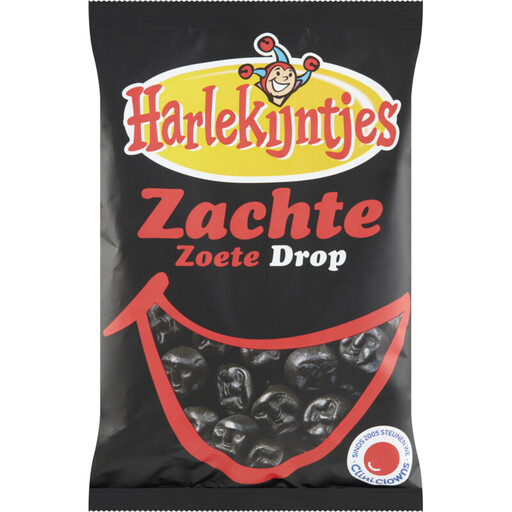
Why this fits the profile: A generous bag of soft, sweet liquorice for fans of a milder Dutch liquorice flavour. Handy for home or for sharing.
The weight and ingredients are clearly stated. Please note: this product contains wheat and gluten.
300 grams; soft texture; suitable for sharing; resealable for storage after opening, according to the product information.
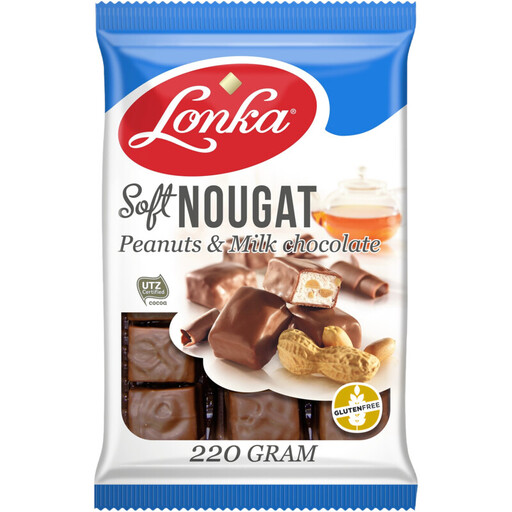
Why this fits the profile: A soft nougat with peanuts and a milk chocolate coating, presented in a tray that’s perfect for coffee moments and when you have guests.
The texture, packaging and allergens are all described in detail. It’s not a suitable choice for anyone with a peanut, milk or soya preference.
220 grams; soft nougat; milk chocolate; according to the product information, gluten-free and made with UTZ-certified chocolate.
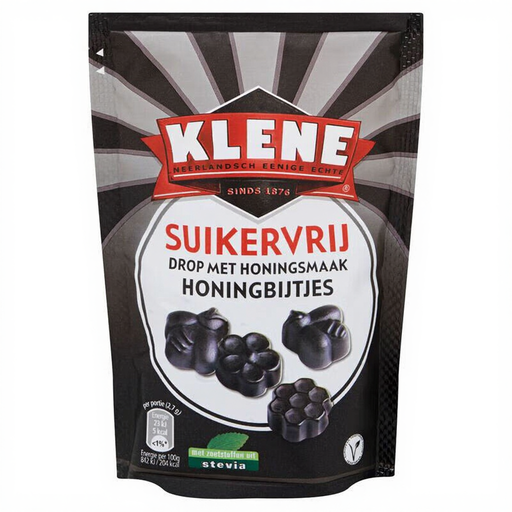
Why this fits the profile: For anyone consciously looking for sugar-free liquorice and wanting a compact bag to take to work, in the car or on a day out.
The packaging lists the sweeteners and the warning about excessive consumption. This helps you make a more informed choice based on how you plan to use it.
110 grams; 0 grams of sugar per 100 grams according to the product information; resealable bag; none of the 14 major EU allergens listed.
We’ve put together a full, up-to-date list of products that fully meet these strict selection criteria and comply with current European safety regulations.
Choose small packs or individually wrapped sticks and jellies. FRUIT 100% STICK JELLY, COZZO Fruit Jelly Sticks and ENNJOI Peeling Gummy Candy are examples of formats that, according to the product information, are easy to take with you. Store sweets in a dry place, away from direct sunlight.
Check the age recommendation, allergens, ingredients and any warnings about colours. Some colours, such as E102 and E129, may, according to the product information, have a negative effect on activity and attention in children. Give sweets in moderation and always read the current packaging. Products that seem suitable as a fruit snack are not automatically a daily replacement for fruit.
The best-before date is on the packaging. Store sweets according to the advice given: usually in a cool, dry place, away from direct sunlight. Seal an opened bag well to prevent changes in texture and flavour. If the packaging is damaged, it’s best not to use the product.
