
Vandaag of morgen in huis

Kwaliteit gegarandeerd

Welkomstaanbiedingen ontgrendelen: GRATIS bezorging | Tot 80% korting | Gratis 30 dagen JoyPlus-proefperiode
Download de app
Buying sweets online might seem straightforward, but product photos don’t always tell the full story. A colourful packet can hide a small bag, while terms like “fruity”, “no artificial colours” or “light” don’t automatically mean the product is right for you. So before you order, always check the contents, ingredients and when you plan to eat them.
A wide bag of sweets can contain mostly air. Always look at the net weight rather than just the size of the packaging. For a family or party, 200g bags are often eaten up quickly. A 1kg tub is more practical if you’re looking for sweets to share, but less handy when you want to limit portions.
Fruit sweets, wine gums and gummies often contain fruit juice or fruit concentrates, but also sugar or glucose syrup. Check the nutritional information per 100g. In the available selection, sugar levels range from around 43g to 78g per 100g, for example. That difference matters when you want to compare different types of sweet mix.
Gummies, jelly sweets and sour sweets get their texture from ingredients including gelatine, pectin, starch or konjac gum. If you’re looking for halal sweets, vegan sweets or sweets without certain allergens, you need to read the ingredients list. “Vegetarian” or “vegan” isn’t always stated in the same way, and gelatine can come from pork or beef.
Also look out for warnings on the packaging. Some products list colourings that may require an EU warning about effects on activity and attention in children. For sweets for children, age advice, supervision and the full packaging are therefore important.
Choose the size based on how you’ll use it:
A bag of loose sweets gives you more choice, while individually wrapped sweets help you hand out portions without leaving an open bag lying around.
Check at least these points:
A product description can change. If you have an allergy, always use the label on the packaging you receive as the deciding information.
Nutritional information is usually given per 100g. That makes comparison easier, but a portion can be much smaller. A pack with 25g per portion gives a different picture to a large bag where everyone helps themselves. Pay particular attention to energy, sugars and portion size. A product with less sugar isn’t automatically a healthy choice; it’s still a sweet or snack product.
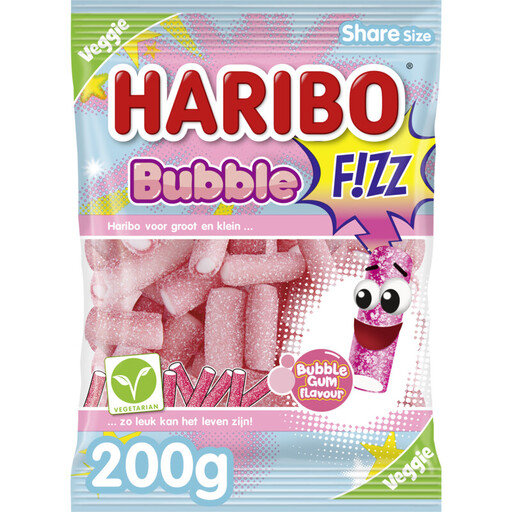
Why this fits the profile: A manageable size for anyone wanting to try sour sweets without buying a large stock straight away. The bubblegum flavours are designed to share with family or friends.
The net weight is clearly 200g. The product information also states that the sweets are made without artificial colours; check this on the packaging when you receive it.
200g contents; sour flavour; 63g sugar per 100g according to the product information; contains gluten and milk.
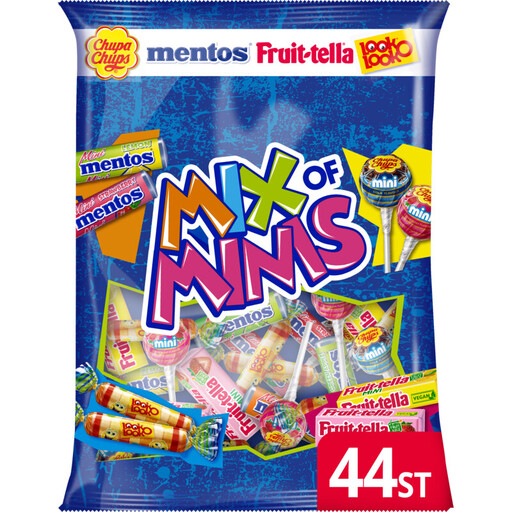
Why this fits the profile: This mix combines individually wrapped minis from Fruitella, Mentos, Chupa Chups and Look-O-Look. This means different flavours and sweet shapes can be offered together.
The contents aren’t one unknown sweet mix: the brands and types are named in the product information. The individual wrappers make portions easier to manage.
410g; individually wrapped; four types of sweets in one assortment; according to the product information, none of the 14 main EU allergens.
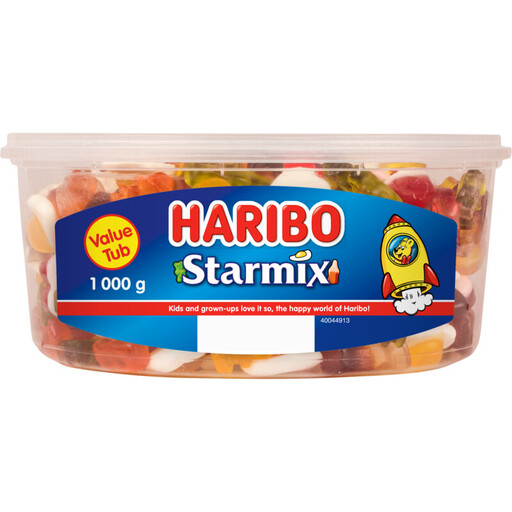
Why this fits the profile: The large storage tub is aimed at parties, treats and a shared stash. The mix includes fruit gum rings, hearts, cola bottles and gold bears.
The size is suitable for larger groups, meaning you don’t need several small bags. Close the tub tightly and store it in a cool, dry place according to the product information.
1kg contents; several well-known sweet shapes; according to the product information, no artificial colours; approximately 40 portions of 25g.
If you’re looking for a different texture, you might consider konjac jelly. Jelly B Konjac Jelly Mango and Lychee come in 150ml portions. The product information states around 3 kcal per 100ml and no sugar per 100ml for both varieties. The mango version also states halal and gluten-free. These are product specifications, not general properties of all konjac jelly.
With these products, pay attention to the usage instructions and close the packaging after opening. Supervision is important for young children because of the gel texture and the portion packaging. Always check the current warnings on the label.
We’ve put together a full, up-to-date list of products that fully meet these strict selection criteria and current European safety regulations.
Check the age recommendation, allergens, colourings and portion size. Give sweets under supervision and use the information on the packaging as a guide. An individually wrapped mini is often easier to hand out than a large quantity of loose gummies.
Gummies and wine gums are usually soft, gel-like sweets with sugar, glucose syrup and a gelling agent. Jelly sweets are a broader category and can include jelly sticks, peelable sweets or konjac jelly. The texture and ingredients vary by product, so compare the label.
For a small group, 200 to 410g is often enough. For a larger group, a bag or tub of 1kg is more practical. Choose individually wrapped sweets when hygiene and easy handing out are important.
