
Vandaag of morgen in huis

Kwaliteit gegarandeerd

Welkomstaanbiedingen ontgrendelen: GRATIS bezorging | Tot 80% korting | Gratis 30 dagen JoyPlus-proefperiode
Download de app
Buying sweets online might seem straightforward, but an attractive packet doesn’t always tell the full story. If you only focus on flavour, colour or brand name, you could end up with a bag that’s too small for a party, a product with unexpected allergens, or sweets that don’t suit the occasion you had in mind.
With these practical checks, you can compare products based on quantity, ingredients, packaging and use. That way, you’ll find exactly the right gummy sweets, fruit sweets, sour sweets, chocolate biscuits or Japanese snacks for home, on the go, or to share.
A 200g bag and a 1kg tub are designed for different situations. For a family or a store cupboard, a larger packet can be handy. For a treat or a small household, you might end up with a lot left over. So compare the net weight and think about how many portions you actually need.
Also look out for multipacks. Ten small bags can be more practical for party sweets, but they don’t automatically contain more sweets than one larger bag.
Some product descriptions emphasise fruit flavour, fruit concentrate or natural colourings. These describe the ingredients or taste experience, but they don’t automatically make the sweets a healthier choice. Always check the nutritional information per 100g, especially the sugar content, and read the ingredients list.
For example, Fruitella Berries and Cherry Toffees contains 3% fruit juice according to the product information and is individually wrapped. These are verifiable facts; the fruit flavour itself is a matter of product description and personal preference.
Gummy sweets can contain gelatine. Amos Peelerz, for instance, lists beef gelatine, while Nerds Gummy Clusters contain pork gelatine. Other products may contain milk, soya, wheat or nuts, or traces of them.
Under European regulations, the 14 main allergens must be clearly stated. Even so, it’s wise to check the actual packaging before buying and consuming. Product information online can change, and the packaging may carry additional warnings.
Look beyond the weight at how the sweets are packaged:
Haribo Starmix Tub contains 1kg and states 40 portions of 25g. That gives a useful indication for a party, although the actual number of portions depends on how generously you serve.
Check at least:
With chocolate biscuits, milk, soya and wheat often come into play. Meiji Hello Panda Biscuits, for example, contains milk, soya and wheat. Glico Pocky Cookies & Cream also mentions possible traces of egg and nuts. That makes the label more important than just the flavour name.
Sweets don’t usually need to be refrigerated, but storage does affect quality. The product information generally recommends a cool, dry place, away from direct sunlight, heat and moisture. Seal an opened packet properly. Check the best-before information on the packaging before eating, and don’t use a damaged packet.
For a store cupboard, dry biscuits and sealed sweet bags are practical. For an event, it’s best not to open them too early, so that texture and flavour are preserved as well as possible.
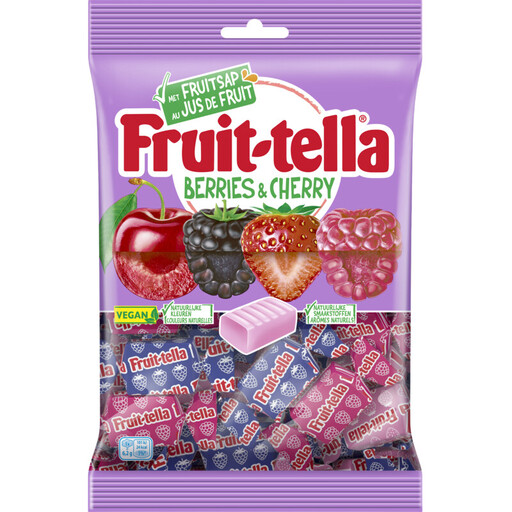
Why this fits the profile: A straightforward 200g bag with several fruit flavours, ideal for a first online order or a small stock-up.
The weight is clearly stated and the toffees are individually wrapped. The product information also lists none of the 14 main EU allergens.
Four fruit flavours, individually wrapped and, according to the product information, vegan.
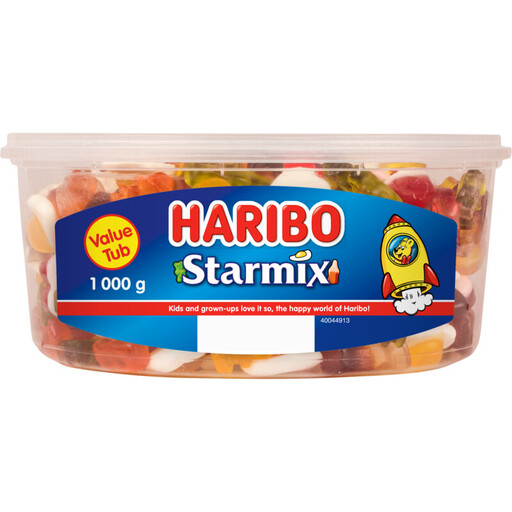
Why this fits the profile: A generous sweet mix for families, birthdays and situations where a variety of flavours is wanted.
The volume is clear upfront: 1kg, with a stated portion size of 25g. That makes it easier to judge whether the packet suits your occasion.
Mix including gold bears, rings, hearts and cola flavours; according to the product information, no artificial colourings.
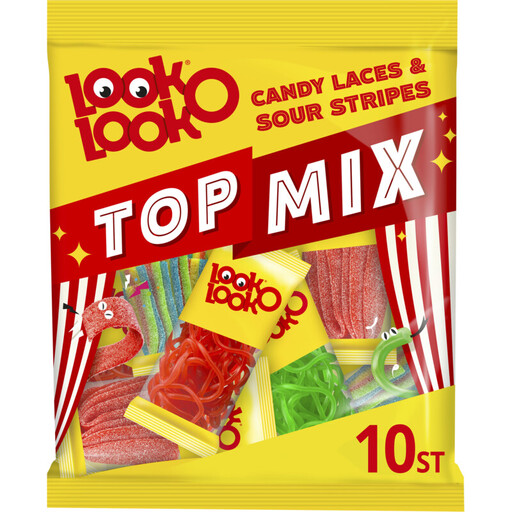
Why this fits the profile: Ten small portions make this mix practical for treats, parties and sweets to hand out without opening a large bag.
The portion distribution means you don’t have to open a whole bag for every occasion. Do note: the ingredients list wheat and gluten-containing cereals.
Ten portion packs with laces and sour strips in different fruit flavours.
We’ve put together a full, up-to-date list of products that fully meet these strict selection criteria and comply with current European safety regulations.
If you like sour sweets, you could look at Haribo Fizz Bubble or Haribo Happy Cherry Soda Flavour Gummies. The product information for Fizz Bubble lists wheat and milk, so check this before buying. For lollipops, the Colombina Bon Bon Bum Various Fruit Mix is an option with multiple packets. Pay attention to the total content and how you plan to hand out the lollipops.
For fans of Japanese snacks, Glico Pocky Strawberry and Glico Pocky Cookies & Cream are compact choices. They combine a biscuit with a sweet coating, but according to the product information they contain wheat, milk and soya, among other things. If you’d rather try biscuits with a different flavour combination, take a look at Franzzi Vanilla Lemon Chocolate Flavour Cookies. Wheat and soya are also listed as allergens there.
Check the net weight, ingredients, allergens, nutritional values, best-before information and storage advice. Also compare the packaging with how you plan to use it: individual portions for a party or a larger sweet mix for home.
That varies by product and packaging. Always check the best-before date on the packet. Store sweets in a cool, dry place away from direct sunlight. After opening, a well-sealed bag helps to limit moisture and loss of quality.
A large packet can be practical when lots of people are eating from the same mix, such as a 1kg tub. For hygiene and easy distribution, small portions like the Look-O-Look Top Mix with ten bags are often more convenient. Compare the price per 100g rather than just the price of the packet.
