
Vandaag of morgen in huis

Kwaliteit gegarandeerd

Welkomstaanbiedingen ontgrendelen: GRATIS bezorging | Tot 80% korting | Gratis 30 dagen JoyPlus-proefperiode
Download de app
Buying sweets seems simple, but online you often see large packs, striking colours and claims that say little about what you will actually receive. A bag may look suitable for sharing, for example, while the contents soon run out. Terms such as “fruity”, “natural” or “without artificial colourings” can also distract from the ingredients list, allergens and nutritional values.
This practical selection guide helps you compare sweets based on verifiable details. That makes it easier to find Haribo sweets, sour sweets, fruit gums, wine gums, liquorice or international varieties to suit the occasion.
A 250-gram bag of sweets may look generous, but always compare the price per 100 grams. A multipack with small bags may be more convenient for party treats or taking on the go, while a sharing pack is better suited to a film night or birthday. Also check the number of servings if this is stated on the packaging.
Fruit gums and gummy sweets often contain fruit or plant concentrates for flavour or colour, but that does not make them a fruit product. So check the ingredients list and look at the sugar content per 100 grams. Haribo Frogs, for example, states that fruit and plant concentrates are used for the colour. The product information also lists a Nutri-Score of E and 53 grams of sugars per 100 grams.
A sour flavour usually comes from food acids such as citric acid or malic acid. This says nothing about whether the product contains gelatine, wheat or milk. If you have allergies, always read the label on the specific pack. Product information may vary by variant or production site.
Terms such as vegetarian and vegan are not interchangeable either. Haribo Rotella is described as suitable for vegetarians, while the ingredients include wheat flour. Bebeto Wacky Stick Cool Tutti Frutti is described as suitable for vegetarians and vegans, but according to the ingredients list it does contain wheat.
First, consider when you will be eating the sweets:
After opening, the product descriptions generally recommend closing the packaging securely and storing the sweets in a cool, dry place away from direct sunlight.
Distinguish between:
With gummy sweets, also check whether gelatine is used and where it comes from. Some products explicitly state that they contain pork or beef gelatine.
Ingredients are listed in descending order by quantity. Sugar, glucose syrup and dextrose are near the top of the list for many types of sweets. Also check:
A brand’s claims about colour, origin or product characteristics should be treated as information provided by that brand. According to Haribo’s own product description, some varieties are made without artificial colourings; always check the current packaging before buying.
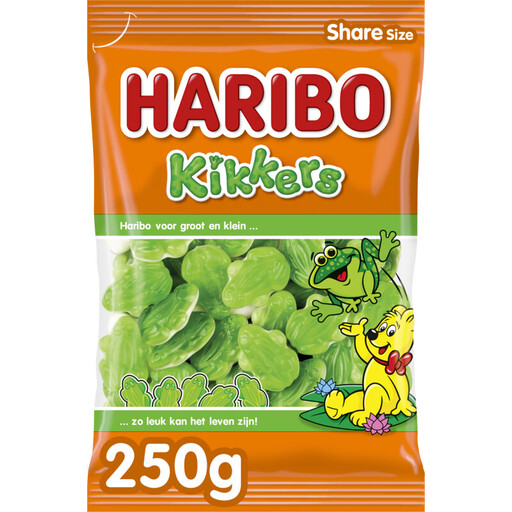
Why it suits this profile: A familiar fruit gum in a 250-gram sharing pack, suitable for families and keeping at home in the sweet jar.
The weight is clearly stated, making it easy to compare the price per 100 grams. The allergen information mentions the possible presence of wheat and milk.
250 grams, a soft foam centre with a fruit layer, and colour from fruit and plant concentrates according to the product description.
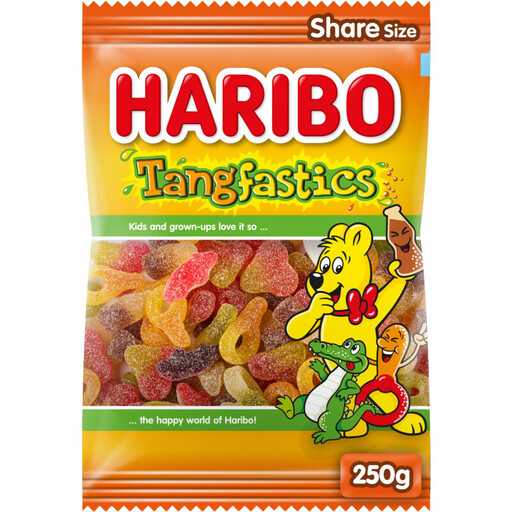
Why it suits this profile: For anyone who wants a clear combination of sweet and sour flavours without mixing different bags.
The product description outlines the flavour profile and ingredients, including gelatine and citric acid. That means you know what you are buying.
250 grams, a mix of cola, cherries, sweet shapes and crocodiles; according to the product information, free from the 14 major EU allergens.
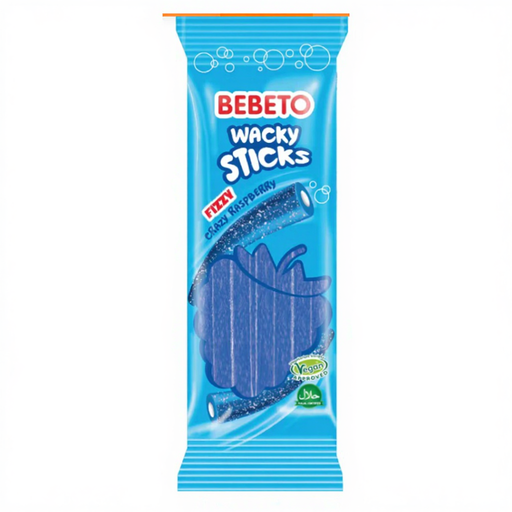
Why it suits this profile: An option for fans of Turkish sweets and soft, elongated sweet sticks with a fresh, tangy raspberry flavour.
The product information lists wheat as an allergen and gives the contents as 180 grams. This makes it easier to compare with other bags of sweets.
180 grams, a soft stick shape, raspberry flavour and an energy value of 389 kcal per 100 grams according to the supplied product information.
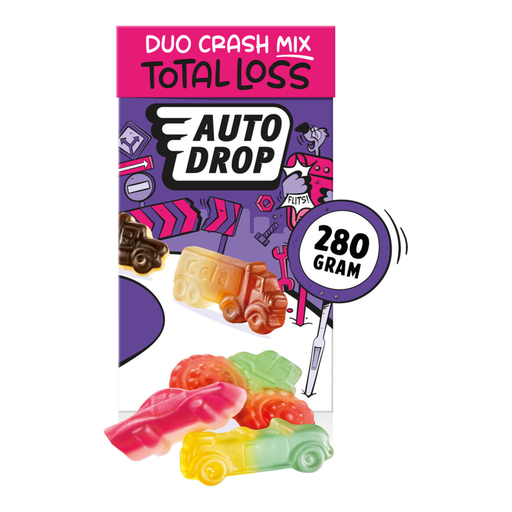
Why it suits this profile: For adults and families who want to combine fruit, cola and liquorice in one sweet mix.
According to the product information, the pack contains 11 servings of 25 grams. This allows you to portion out the contents rather than buying separate bags.
280 grams, a mix of wine gums, fruit, cola and liquorice-style flavours; the product description states that it is gluten-free.
We have put together a complete, up-to-date list of products that fully meet these strict selection criteria and the applicable European safety regulations.
For a party, a combination of sweet mix, sour sweets and fruit gums works well, as guests can choose between several flavours. For party treats, small portions are more practical than one large bag of sweets. If you are ordering sweets online for home, you can combine different textures: soft gummies, firm wine gums, liquorice and lollies.
If you want to try American sweets, pay extra attention to the ingredients, allergens and any information about colourings. With international products, the flavour, serving size and product information may differ from familiar Dutch varieties.
That depends on the price per 100 grams, delivery costs and any multipacks. Do not compare only the offer price; also check the net weight, number of packs and best-before information.
Store sweets in a cool, dry place away from direct sunlight, heat and moisture. Close the packaging securely. This helps prevent gummies, wine gums and sour sweets from becoming hard or sticky too quickly. If in doubt, always check the label.
Look at the shape, serving size and ingredients. Check for allergens such as wheat, milk and soya. If the sweets contain gelatine, it is worth checking its source if this is important to your family. For young children, also take the usual care with hard sweets and lollies.
