
Vandaag of morgen in huis

Kwaliteit gegarandeerd

Welkomstaanbiedingen ontgrendelen: GRATIS bezorging | Tot 80% korting | Gratis 30 dagen JoyPlus-proefperiode
Download de app
Buying sweets online seems simple: pick a flavour, add a bag to your basket and you’re done. Yet packs vary greatly in size, ingredients, allergens and when you’ll use them. A small bag might look attractively priced, while a larger bag of sweets for a party could actually work out better value.
Terms like fruit gums, “with fruit flavour” and “natural colours” also don’t tell the full story. So always check the product information before you order. These points will help you separate marketing speak from practical features.
Gummies and jelly sweets can taste fruity without containing much fruit. So look at the ingredients list and the percentage of fruit or fruit juice. Some products put a fruit flavour front and centre, while the recipe is mostly sugar and glucose syrup.
A product with fruit purée is different from fruit sweets. For example, g’woon Squeezable Fruit Strawberry Apple contains 68% apple purée, 21% strawberry purée, 7% banana purée and 4% blackberry purée, according to the product information. That makes it suitable for a different occasion than a bag of sour sweets or a sweet mix.
Compare the price per 100 grams, not just the price of the bag. Also pay attention to individual portions. A pack with ten small bags can be handy for a treat or for sharing sweets out fairly, whereas a large bag without portions is better suited to a sweet bowl at home.
A product can be free from artificial colours and still contain gelatine, milk, wheat, nuts or other potential allergens. Always check the current packaging. Recipes can change, and the online product information may be less detailed than the label.
For young children, the shape and texture are also important. Jelly sweets and firm gummies aren’t automatically suitable for every age. Follow the age recommendations on the packaging and supervise children while they eat.
Check at least:
For example: Red Band Fruit Bits is described as vegetarian, with natural flavourings and no artificial colours. The product information does state that it may contain traces of milk, nuts and peanuts. Haribo Frogs and Haribo Bananas contain gelatine according to the listed ingredients; Haribo Frogs also lists milk and wheat as allergens.
Sweets are generally a treat and not a replacement for a meal. So look at sugars per 100 grams and at the portion size. In the product information provided, sugar levels vary: Powerbeärs Tetris Fruit Gum lists 43 grams of sugar per 100 grams, while Haribo Bananas lists 77 grams per 100 grams.
Fruit purée in a squeeze pouch may contain fewer calories per 100 grams, but it does contain naturally occurring sugars. For example, g’woon Banana Apple Squeeze Fruit lists 63 kcal and 13.4 grams of sugar per 100 grams. Ella’s Kitchen Banana + Coconut Smoothie is described as organic fruit purée with no added sugars; according to the product information, this product is suitable from 4 months. Always follow the instructions on the packaging when using baby food.
A resealable pack helps keep soft sweets fresher after opening. Store sweets according to the product instructions in a cool, dry place, out of direct sunlight and away from heat and moisture. Squeeze pouches and individually wrapped sweets are practical for on the go, but check the storage time after opening and any fridge instructions.
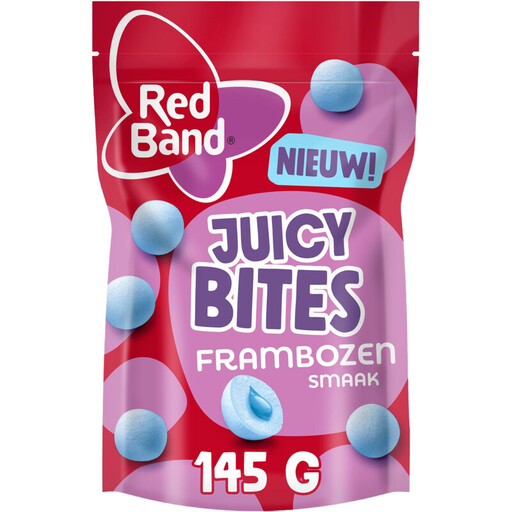
Why this fits the profile: A medium-sized bag of soft, chewy sweets for a film night, treat or small stock-up moment.
The product information mentions the vegetarian formula, natural flavourings and the absence of artificial colours. A resealable pack is also listed.
145 grams, approximately five pieces per 25 grams and 11% liquid raspberry filling according to the product description.
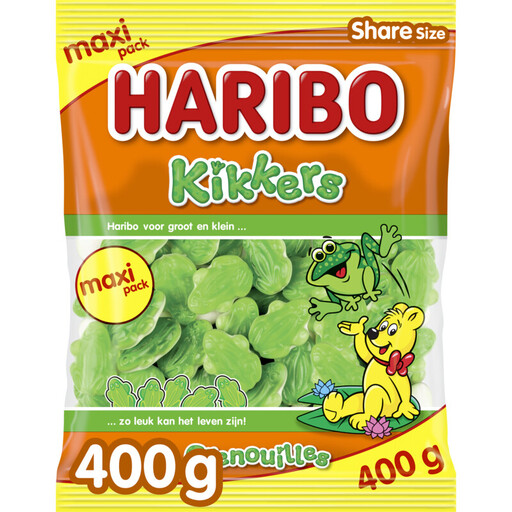
Why this fits the profile: The large pack is practical for birthdays, visitors and sweets to share.
The size makes the quantity clear upfront. The product information also states no artificial colours.
400 grams, soft foam toffees and fruity layered sweets. Please note: the ingredients list includes gelatine, milk and wheat.
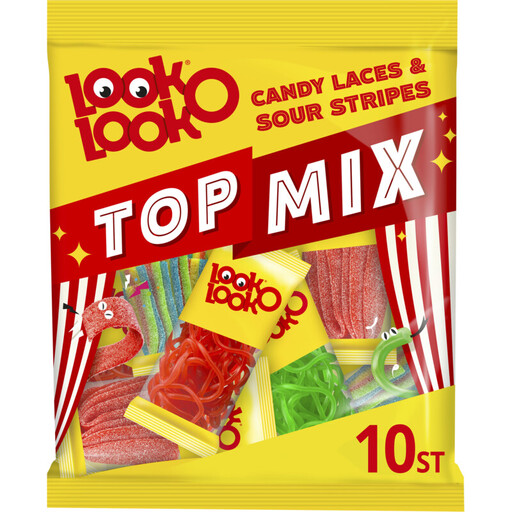
Why this fits the profile: Ten small portion packs are handy for parties, treats and moments when you want to offer several flavours.
The portions prevent a large bag from being opened again and again. The mix also makes it clear which types of sweets are inside.
Ten portions with sweet laces and sour strips. Contains gluten and wheat; check this if you have allergies.
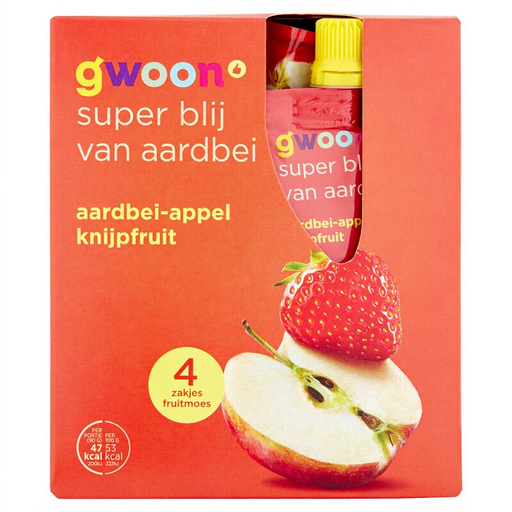
Why this fits the profile: Four squeeze pouches are easy to take to school, on the go or during a day out.
The ingredients and percentages of fruit purée are clearly stated. The product is not presented as traditional sweets, but as fruit purée.
360 grams divided across four pieces; according to the product information, free from the 14 main EU allergens.
We’ve put together a full, up-to-date list of products that fully meet these strict selection criteria and current European safety regulations.
That depends on the pack, promotions, delivery costs and the price per 100 grams. Compare several sizes and combine your order when it’s practical. A large bag isn’t automatically better value if you won’t use part of it.
Look at the age, texture, shape and ingredients. Soft gummies and jelly sweets can still be difficult to chew. Baby products, such as fruit purée or organic baby fruit, have a separate age indication. Always follow the packaging and supervise young children.
Generally, store sweets in a cool, dry place out of direct sunlight. Seal a resealable bag properly to keep moisture out. Squeeze pouches and baby fruit may have different instructions, such as keeping them refrigerated after opening and using them within a certain time. The packaging is your guide.
