
Vandaag of morgen in huis

Kwaliteit gegarandeerd

Welkomstaanbiedingen ontgrendelen: GRATIS bezorging | Tot 80% korting | Gratis 30 dagen JoyPlus-proefperiode
Download de app
Buying sweets online gives you access to flavours you won't always find in your local supermarket. Think of Asian sweets, fruit gummies, jelly sweets, sour candies and soft sweets from Japan, South Korea, Indonesia and other countries. At the same time, you'll often come across eye-catching packaging and vague product claims online. That makes it hard to know exactly what you're buying.
The Joybuy Product Recommendation Officer helps you filter the most important information. Pay particular attention to the ingredients, the size and whether the sweets are suitable for the occasion you need them for.
A 1 kg bag might seem appealing for a party, but it's less practical if you only want a small portion now and then. On the other hand, a 40 g or 60 g bag can disappear quickly when you need sweets for a treat or a sweet mix.
So compare:
Products with fruit names or pictures of peach, grape or mango often contain mostly glucose or fructose syrup, sugar, gelling agents and flavourings. So check the ingredients list. If fruit juice concentrate appears high on the list, that still doesn't tell you how much fruit is actually in there.
A product description might mention fruit juice, while the nutritional information per 100 g still shows a lot of sugar. So don't take the brand's claim as dietary advice. Look at the actual ingredients and nutritional table on the packaging.
Colours and allergens deserve extra attention when it comes to sweets for children. In the available product information, some products state that E102 and E129 may have an effect on activity and attention in children. So always check the current Dutch or European labelling.
Also look out for:
The texture largely determines whether the product suits your needs.
For young children, supervision is important. A soft texture doesn't automatically mean a product can be eaten without risk.
For home use, small packs are practical. For a party, treat or sweets as a gift, several individual portions are more convenient. The Look-O-Look Top Mix, for example, contains 10 small portion packs, while the COZZO Fruit Jelly Sticks consists of 12 sticks of 20 g.
Also check whether the product:
A sweet usually contains a lot of carbohydrates and sugar. So compare the values per 100 g, not just per bag. With a small bag, the total number of calories may seem lower, while the product per 100 g is similar to other types of sweets.
Also look at the source of the gelatine. UHA Kororo Crown Melon lists, according to the product information, beef, apple and gelatine among its ingredients. Nerds Gummy Clusters lists gelatine from pork and apple. This information can be important for allergies, dietary choices or religious requirements. If in doubt, always check the label on the packaging you receive.

Why this fits the profile: A small pack is ideal for trying out a flavour and texture without committing to a large quantity straight away.
The 60 g content limits the risk of a bad buy by avoiding an overly large pack.
Mixed fruit flavour, soft jelly texture and 45.9 g of sugar per 100 g according to the product information.
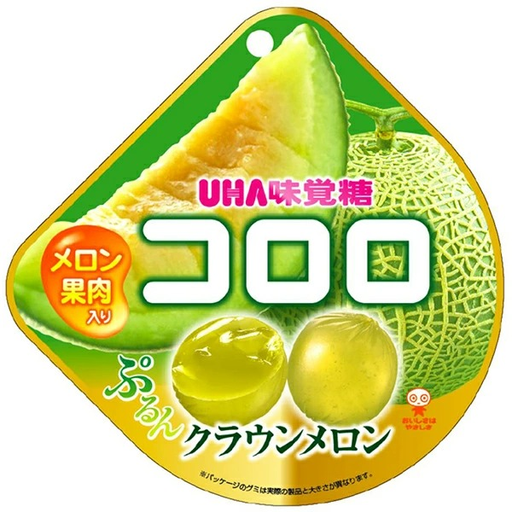
Why this fits the profile: For those seeking a distinctive Japanese texture rather than standard fruit gummies.
The product information describes pieces of cantaloupe in the sweet's structure, making the texture clearer than with generic gummies.
40 g per bag and 109 kcal per pack according to the stated nutritional information. Please note: gelatine, beef, apple and sulphites are listed.
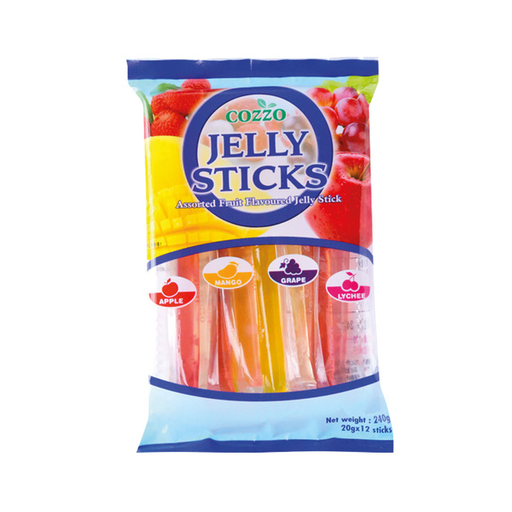
Why this fits the profile: The 12 individually wrapped sticks are practical for parties, treats, travel or a sweet mix.
The portions are pre-divided, so you don't have to open the whole bag or weigh out portions yourself.
240 g total, four fruit flavours and none of the 14 main EU allergens according to the product information. E102 and E129 are listed, however.
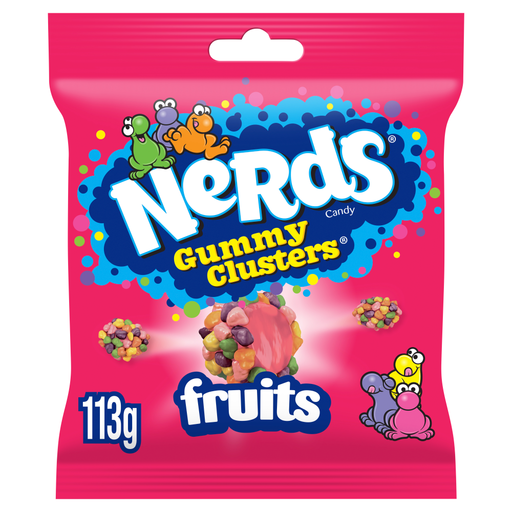
Why this fits the profile: The combination of a crunchy outer layer and a soft fruit gummy makes this ideal for those who enjoy different textures.
The product description clearly mentions the two different structures, so you're less likely to expect a standard gummy.
113 g, sweet and sour fruit flavours and 70 g of sugar per 100 g. The ingredients list apple and gelatine from pork.
We've put together a full, up-to-date list of products that fully meet these strict selection criteria and comply with current European safety regulations.
That depends on the content, delivery costs and packaging. Always compare the price per 100 g. A small bag may seem affordable per item, but could be relatively more expensive than a larger pack. For a party, individual portions may still be more practical.
The shelf life varies by product. Generally, store sweets in a cool, dry place away from direct sunlight. Seal the packaging properly and follow the date and storage instructions on the label. Jelly products or sticks can dry out or lose their texture more quickly after opening.
Check the age recommendation, texture, allergens and colourings. Some products list E102 and E129 with a warning about activity and attention in children. Always supervise young children while they eat and use the information on the actual packaging as your guide.
