
Vandaag of morgen in huis

Kwaliteit gegarandeerd

Welkomstaanbiedingen ontgrendelen: GRATIS bezorging | Tot 80% korting | Gratis 30 dagen JoyPlus-proefperiode
Download de app
Buying sweets online might seem straightforward: pick a flavour, add a bag to your basket and you’re done. Yet products vary hugely in texture, ingredients, portion size and suitability for children. A cheerful packet or the phrase “with fruit flavour” doesn’t always tell you exactly what you’re getting.
With this practical guide, you’ll know which details really matter. That way, you can find fruit gums, gummies, sour sweets, soft sweets, fruit chews and marshmallows that suit your family, party or sharing moment.
A fruit flavour can come from fruit juice, concentrate or flavouring – these are very different ingredients. So always check the ingredients list and see whether actual fruit juice or fruit concentrate is mentioned. Some products state a percentage of fruit juice, while others contain mostly sugar, glucose syrup and flavouring.
Terms like “natural” or “with fruit” are no reason to skip the nutritional information. Sweets are still confectionery. Compare the sugar content per 100g rather than just looking at the front of the packet.
A 200g bag can be ideal for sharing, while a 45g to 75g pack is more convenient for a treat or gift. Compare the price per 100g if you’re watching your budget. Also check whether the sweets are individually wrapped. That’s handy for a sweet bag, children’s party bag or celebration, but it does mean extra packaging.
“Soft” can refer to a marshmallow, foam sweet, chew or a soft gummy. Sour sweets can have a light tangy coating or be properly sharp. Product names like fruit gums, toffees or gummies give you a clue, but not the full picture of what the bite will be like.
So read the product description and look out for words like chewy, soft, sour, foam or individually wrapped. That way, you won’t order a mix for a party that doesn’t match your guests’ preferences.
Always check the actual packaging, especially if you have allergies, intolerances or dietary preferences. The 14 main EU allergens must be clearly highlighted in the ingredients list when they are present. Also look out for statements like “may contain traces”.
Examples from the range:
A product without listed allergens is not automatically suitable for everyone’s personal dietary needs. If in doubt, check the packaging and the most up-to-date product information.
Gummies, fruit gums and marshmallows can contain gelatine. The source can vary – for example, pork or beef. If you eat a vegetarian or vegan diet, you’ll need to check this separately. Fruitella Berries and Cherry Toffees is listed as vegan; other soft sweets in the range contain gelatine.
Also watch out for colourings. Some products state that certain colours may have an effect on activity and attention in children. This is a legal warning based on the colourings used. So read the label carefully when buying sweets for young children.
Nutritional information is usually given per 100g. As well as sugar, look at the portion size. A 60g bag and a 200g bag can have similar values per 100g, but the total amount is very different.
When you receive your order, check the packaging, the best-before date and whether anything is damaged. Most sweets should be stored in a cool, dry place away from direct sunlight. Seal an opened bag well to prevent drying out, moisture absorption and loss of quality.
For a party, it’s wise to match the quantity to the number of guests. For everyday snacking, smaller bags are easier to portion; for sharing, bags of 125g to 200g are more practical.
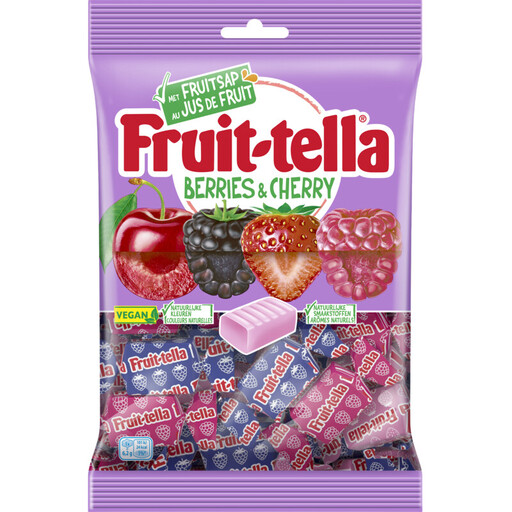
Why this fits the profile: The 200g bag offers several fruit flavours in one pack and is suitable for home, visitors or sharing.
The product information lists four fruit flavours, individually wrapped toffees and a vegan recipe. This makes the contents much clearer before you buy.
200g, four berry flavours, made with fruit juice and, according to the product information, free from the 14 main EU allergens.

Why this fits the profile: These gummies combine a crunchy outer shell with a soft, fruity centre – ideal if you’re after variety in texture.
The product description mentions the combination of crunchy candy and a chewy centre. That makes the expected texture much clearer than just the term “gummies”.
113g, mixed fruit flavours and a clear mention of pork gelatine and apple in the ingredients information.
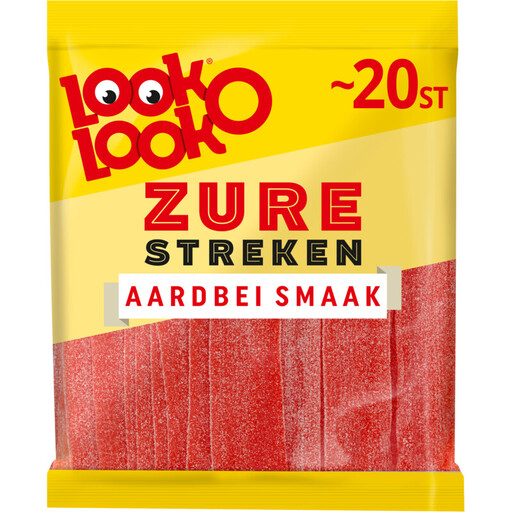
Why this fits the profile: For sour sweet lovers, this bag offers strawberry flavour with a sour kick and a size that’s great for sharing.
The description explicitly mentions strawberry and sour. Wheat is also listed as an allergen, so you can check in advance whether the product is right for you.
125g, strawberry flavour, sour taste experience and a family bag for multiple people to enjoy.
We’ve put together a full, up-to-date list of products that fully meet these strict selection criteria and comply with current European safety regulations.
If you’re looking for international sweets, you can look beyond classic Dutch brands. Japanese sweets, Turkish sweets and Asian gummies often have different textures and flavour combinations. Think soft sweets with yoghurt or soda flavours, fruity jelly sticks or playful peelable gummies.
With imported products, check extra carefully:
For children, the packaging may be appealing, but the ingredients list is what really matters. For a children’s party bag, small packs and clear portions are often more practical than one big bag.
Bags of around 125g to 200g are practical for visitors, film nights and parties. Individually wrapped toffees, like Fruitella Berries and Cherry Toffees, are handy when several people are eating from the same bag.
The best-before date is on the packaging. Store sweets in a cool, dry place away from direct sunlight. Seal an opened pack well and always follow the instructions on the label. Soft sweets and gummies can change texture more quickly in damp or warm conditions.
Check the age recommendation, allergens, gelatine and colourings. Some products state that children should eat them under supervision. For a children’s party bag, choose a clearly packaged product and check the current ingredients list before handing them out.
