
Vandaag of morgen in huis

Kwaliteit gegarandeerd

Welkomstaanbiedingen ontgrendelen: GRATIS bezorging | Tot 80% korting | Gratis 30 dagen JoyPlus-proefperiode
Download de app
Buying sweets online might seem straightforward, but an attractive packet doesn’t always tell the full story. If you only focus on flavour, colour or a well-known brand name, you could end up with a product that doesn’t suit your preferred eating style, your allergies or how you plan to use it.
Three common pitfalls to watch out for:
With a few simple checks, you can make a confident choice from gummies, jelly sweets, sour sweets, Asian sweets, dried fruit and well-known brands like Haribo.
Ingredients are listed in descending order by quantity. If sugar, glucose syrup or syrup appears near the top, it forms a significant part of the product. Also look at sugars per 100 grams. This makes it easier to compare products, regardless of the pack size.
For example, Haribo Fizz Pasta Frutta lists 54 grams of sugar per 100 grams in the product information. That’s typical for a sweet and sour sweet, but it’s useful information if you want to compare different types. Mentos Mini Fruit Mix has 71 grams of sugar per 100 grams, while the individual rolls are practical for handing out.
For sweets with a claim such as vegan, vegetarian or sugar-free, always check the current packaging. Recipes and labels can change. A product may contain gelatine, milk ingredients or sulphites, for example.
For shoppers in the UK, the 14 mandatory EU allergens are an important point to check. Pay particular attention to:
MUSHAN BASE Dried Mango contains sulphites according to the product information. Haribo Fizz Pasta Frutta lists gluten and possible milk. If you’re looking for vegan sweets, you could look for products with an explicit vegan label, but always check the packaging and warnings there too.
For a treat, individually wrapped pieces or portions are practical. For a film night or birthday, a bag of 180 to 400 grams makes more sense. Jelly sweets, gummies and soft fruit bars also vary greatly in texture:
For products aimed at children, supervision is important. The shape, hardness and packaging all help determine whether a product is suitable for the intended age group.
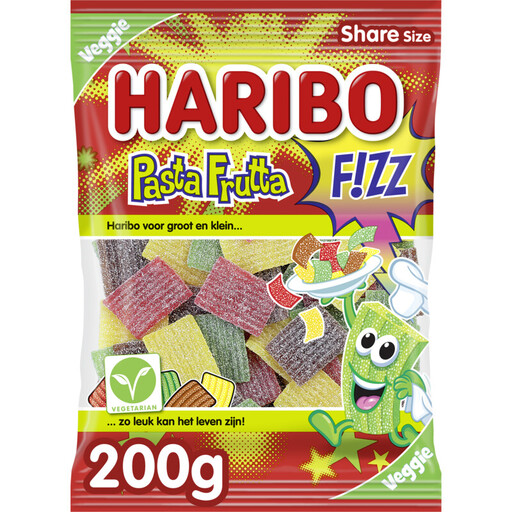
Why this fits the profile: A familiar pack and 200 grams make this an accessible choice if you want to try different sour fruit flavours.
The product information lists flavours, weight, allergens and nutritional values. So you don’t have to rely solely on the colourful packaging.
200 grams; four fruity flavours; according to the product information, suitable for vegetarians and free from artificial colours.
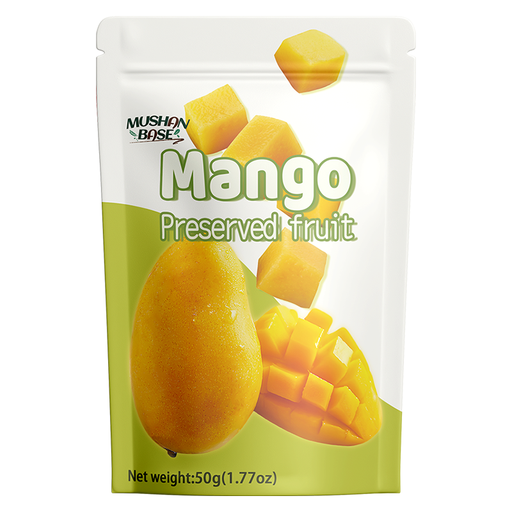
Why this fits the profile: Ideal if you’re after dried fruit with a soft, chewy texture and a clear fruit flavour.
The fruit content is specified as a minimum of 79.5%. Sulphite is also listed as an allergen, so you can factor that into your decision beforehand.
50 grams; individually wrapped; soft texture; ingredients and nutritional values are clearly stated in the product information.
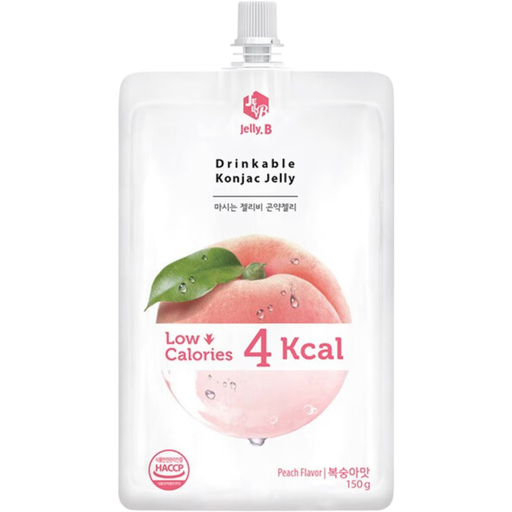
Why this fits the profile: The compact pouch is designed for on the go, at work or as a small portion at home. The drinkable jelly is a departure from traditional gummies.
The pouch contains 150 millilitres and the product information states 10 kcal per serving, 2 grams of sugar and none of the 14 major EU allergens.
Korean product; portable size; drinkable konjac texture; natural colours according to the product description.
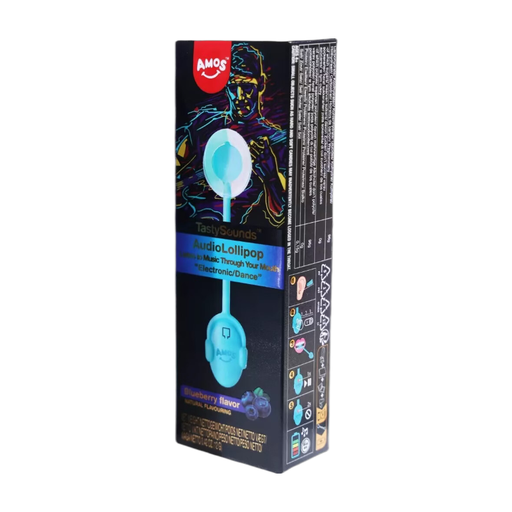
Why this fits the profile: This lollipop combines a blueberry flavour with a built-in music feature, making it ideal for parties, gifts or a standout treat.
The product information lists the usage instructions, possible traces of soya and milk, and a serving size of 12 grams. Check these details before you order.
Sugar-free recipe according to the product description; blueberry flavour; music feature; display packaging for events.
We’ve put together a full, up-to-date list of products that fully meet these strict selection criteria and comply with current European safety regulations.
Check the age information, the shape and the texture. Also look at allergens such as gluten, milk, soya and gelatine. For products containing colours or sweeteners, the relevant information is on the label. Supervise children when they eat sweets if the product instructions advise it.
Not necessarily. Sugar-free sweets can contain sweeteners, such as erythritol, sucralose or other sweeteners. So compare the full ingredients list and nutritional values. For example, Jelly B Konjac Jelly Mango lists 0 grams of sugar per 100 millilitres in the product information, but the recipe does contain sweeteners.
Generally, store sweets in a cool, dry place away from direct sunlight. Seal opened packs tightly to limit moisture and quality loss. Always follow the storage instructions on the packaging. Dried fruit, jelly sweets and soft gummies can each react differently to heat and moisture.
