
Vandaag of morgen in huis

Kwaliteit gegarandeerd

Welkomstaanbiedingen ontgrendelen: GRATIS bezorging | Tot 80% korting | Gratis 30 dagen JoyPlus-proefperiode
Download de app
Buying sweets online might seem straightforward, but product photos and short marketing descriptions don't always tell the full story. If you're looking for vegan sweets, gluten-free sweets, sugar-free sweets or unusual Asian snacks, then ingredients, contents and usage warnings matter more than eye-catching packaging.
For parents, families and fans of international confectionery, there are three common pitfalls to watch out for:
Look at the ingredients list and the nutritional information table per 100 grams or 100 millilitres. This makes products easier to compare. For sweet mixes, gummies and jelly sweets, pay attention to:
With sugar-free sweets, polyols can play a role. So check the warning on the packaging and stick to the recommended portion. “Without sugar” doesn't mean you can eat the product without limit.
If you're looking for vegan sweets, check for gelatine, milk derivatives, beeswax and other ingredients of animal origin. For the Autodrop Vegan Cadillacs – 280 g, the product information states a vegan recipe, a soft texture and flavours of strawberry, blackcurrant and cherry. The product is also described as gluten-free. However, always check the current packaging before purchasing.
For gluten-free sweets, wheat isn't the only thing to consider. Also look at the allergen information and any warnings about cross-contamination. A product that lists none of the fourteen main EU allergens in the online description is a useful indicator, but the label on the packaging remains the deciding factor.
The shape and texture determine whether a sweet is suitable for a particular occasion. Soft gummies are easy to share, while hard lollipops last longer. Jelly sticks are often individually wrapped, making them practical for treats.
With konjac jelly, pay attention to the preparation method, portion size and any warnings. A product with a firm or slippery texture requires extra care with young children. Only give sweets according to the instructions on the packaging and consider the child's age.
The choices below are based on verifiable information such as weight, ingredients, packaging, flavour and nutritional data. They are intended to compare different usage scenarios, not to single out one product for everyone.
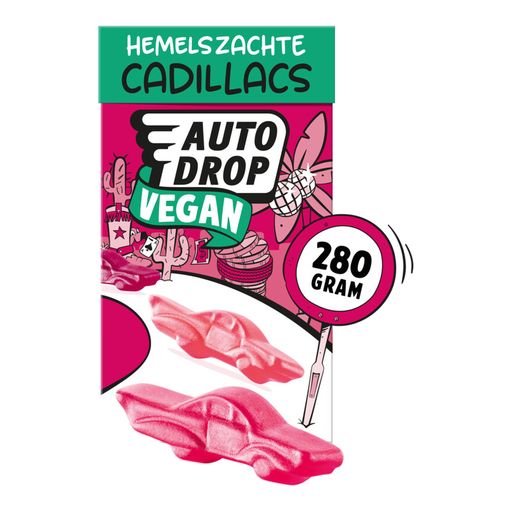
Why this fits the profile: A recognisable Dutch choice with 280 grams of content and three fruit flavours. Suitable if you want to try vegan and gluten-free sweets without buying a large stock straight away.
The product information states the weight, flavours and dietary characteristics. This allows you to compare the choice alongside other gummies rather than relying solely on the packaging.
280 grams, three fruit flavours, soft gummies and, according to the product information, vegan and gluten-free.
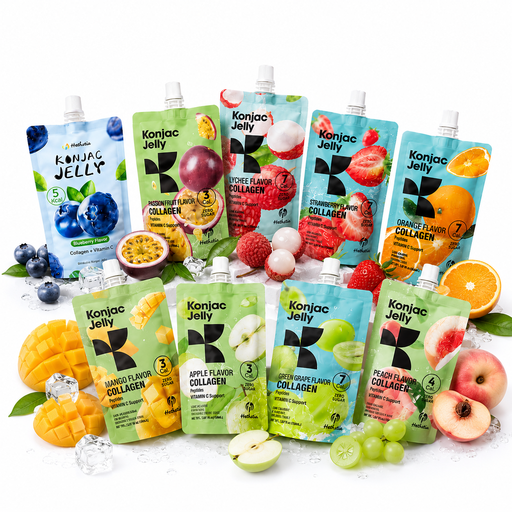
Why this fits the profile: The set contains eight portions of 155 grams and suits shoppers who want to compare several flavours of Asian jelly.
A multi-pack makes the total content visible. However, check the full ingredients list, allergens and any usage instructions on the packaging before ordering.
Eight packs of 155 grams and multiple flavours in one set.
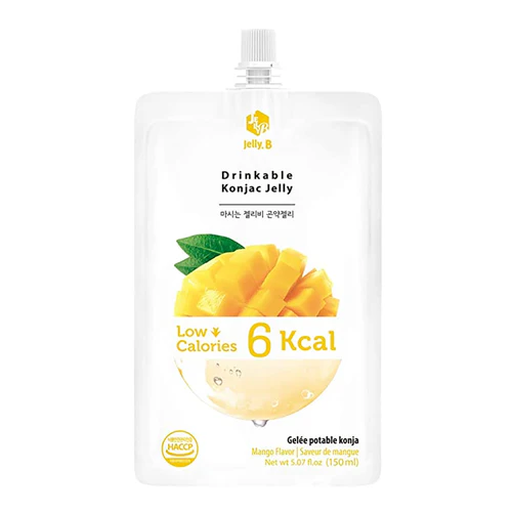
Why this fits the profile: This South Korean mango jelly is a compact choice for fans of konjac jelly and Asian snacks.
The product information states the volume of 150 ml, the ingredients and the storage conditions. This makes the portion clearer than with an unspecified sweet mix.
Mango flavour, 150 ml, according to the product information gluten-free and with no sugar listed in the nutritional values.
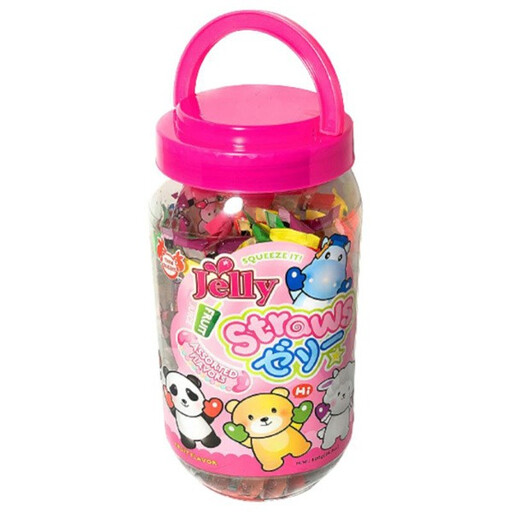
Why this fits the profile: The large jar with individually wrapped jelly sticks is practical for sharing at a party or family occasion.
The portions are individually wrapped and the 800-gram content is clearly stated. Always check the age and safety information on the label for children.
800 grams, mixed fruit flavours, individually wrapped and, according to the product information, free from the fourteen main EU allergens.
We've put together a full, up-to-date list of products that fully meet these strict selection criteria and comply with current European safety regulations.
Look at the nutritional information table and ingredients list, not just the title. Sugar-free sweets can contain sweeteners and still provide carbohydrates or calories. Products such as Jelly B Konjac Jelly Mango list no sugars in the nutritional values according to the available information, but always check the current packaging.
Store sweets in a cool, dry place away from direct sunlight. Seal opened packs tightly. Some jelly products need to be refrigerated after opening; follow the instructions on the label. Also check the packaging and best-before date when you receive your order.
That depends on the content, delivery costs and pack sizes. Compare the price per 100 grams or per portion. A multi-pack or gift box of sweets can be practical, while a smaller pack is wiser if you want to try a new flavour or texture first.
