
Livraison le jour même et le lendemain

Qualité garantie

Débloquez vos offres de bienvenue: Livraison GRATUITE | Jusqu'à -80 % | 30 jours d'essai gratuits à JoyPlus
Téléchargez l'application
Are you looking to buy sweet corn, but unsure whether to go for tinned corn, frozen corn, corn on the cob or baby corn? The packaging often seems straightforward, yet the difference in how you use them can be considerable. A whole corn cob works well as a side dish, but is less practical for a salad. Baby corn is a great addition to a stir-fry, while cooked frozen corn kernels are better suited to larger portions.
Pay particular attention to three common pitfalls:
Tinned corn has a long shelf life and is ready to use once you’ve drained the contents. This makes it a practical choice for corn for salads, wraps, pizza, soup and oven bakes. Check the ingredients list. Some varieties contain only corn and water, while others also include salt, sugar, acidity regulators or a sauce.
A tin of whole kernels is different from cream style corn. The latter has a soft, thick texture and works better in soup, chowder or a baked dish than in a fresh salad.
Frozen corn is handy if you use corn kernels regularly. You can usually take out the amount you need and return the rest to the freezer. Mooijer Cooked Corn Kernels come as cooked corn kernels in bags of 500 g, 1 kg or larger multipacks.
Pay attention to the storage instructions: keep the product frozen until use, store it at the temperature stated on the packaging, and do not refreeze after thawing. This type of product is practical for stir-fries, soups, rice dishes and large meals.
Whole corn cobs offer a different eating experience and work well as a side dish, snack or barbecue item. Sunlee Sweet Corn On The Cob contains two cobs with a total net weight of 450 g. According to the product description, it consists of one ingredient: corn.
Ready-to-eat corn in a bag or vacuum pack can be eaten straight away or briefly heated. Always check whether the packaging is suitable for microwave use and follow the instructions on the label. The cooking method varies from product to product.
Baby corn consists of young corn cobs and is usually packed in water. The small cobs don’t need to be cut from the cob first. This makes them ideal for corn for Asian dishes, stir-fries, curries and noodle dishes.
Valle Del Sole Baby Corn 400g contains baby corn cobs, water, salt and an acidity regulator. Sunlee Baby Corn 420g is also a tinned variety. When opening tins, check the condition of the packaging. Do not use a tin that is bulging, leaking, heavily damaged or rusty.
First, choose between:
“Ready-to-eat” does not automatically mean heating is unnecessary. Some varieties can be eaten cold, but may also be briefly warmed. So read the usage instructions on the packaging.
Don’t just compare the number of packs; also compare the total weight. A multipack may seem good value, but in practice you might end up buying more than you need. For occasional use, small tins or bags are often more manageable. For families, meal prepping or catering use, bags of 1 kg or multipacks make more sense.
With products packed in water, it’s also useful to check whether a drained weight is stated. That gives a more realistic idea of the amount of corn you’ll actually use.
Check the ingredients list and nutritional information table before you order. Bonduelle Crispy Corn 300 g is made with corn kernels, water and salt according to the product description, and carries an organic label on the packaging. Sunlee Cream Style Canned Corn has a texture that includes water, corn, sugar, starch and salt.
Allergen information varies from product to product. Even if a product description does not list any of the fourteen main EU allergens, it’s still wise to check the actual packaging. Store tinned products in a cool, dry place. Keep frozen products frozen until use.
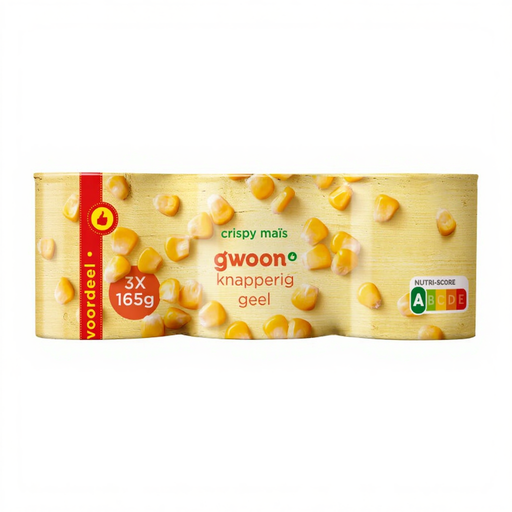
Why this fits the profile: Three packs of 165 g are easy to manage for small households and individual meals.
The portions are pre-divided, so you’re less likely to open a large pack for just one dish.
Ingredients: corn and water. Multipack with three individual packs.
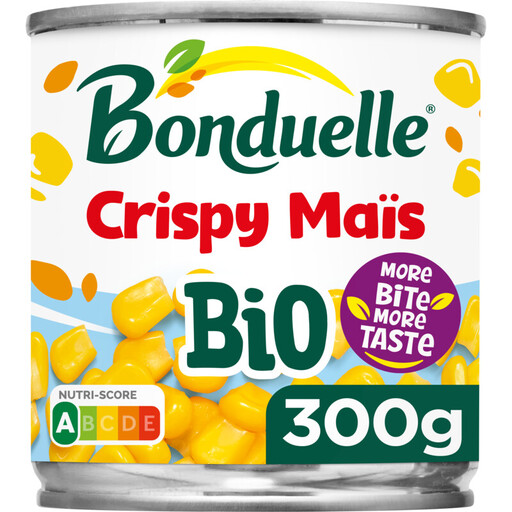
Why this fits the profile: A choice for those who care about organic origin and a short ingredients list.
The product description lists corn kernels, water and salt, so the composition can be checked in advance.
300 g, organic label in the product information and 3.1 g of fibre per 100 g according to the stated table.
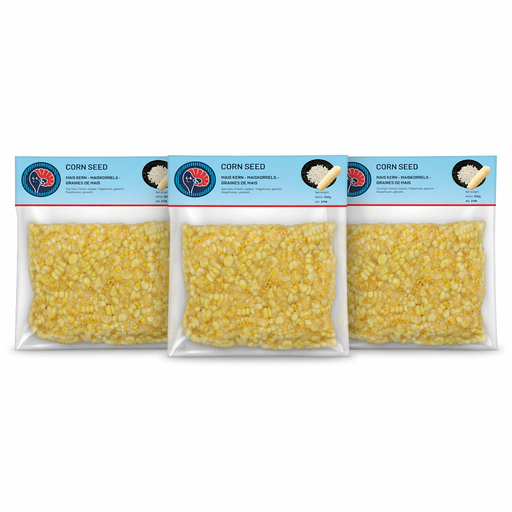
Why this fits the profile: The total quantity of 1.5 kg suits frequent cooking, meal prepping and larger households.
The individual 500 g bags make it easier to open only part of your stock.
Cooked corn kernels in three 500 g bags; intended for freezer storage.
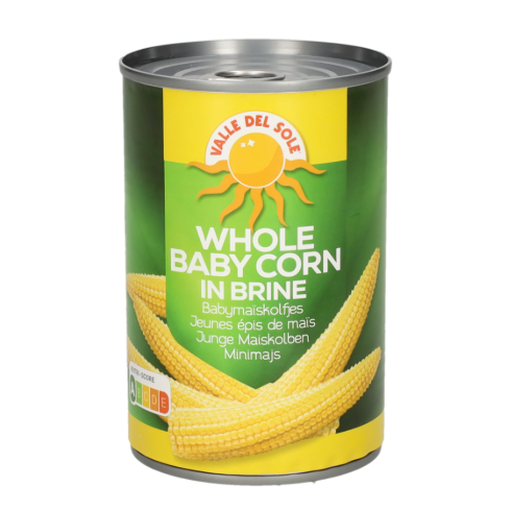
Why this fits the profile: The young corn cobs are ideal for stir-fries, curries and noodle dishes.
You’re buying a specific format for Asian dishes, rather than loose kernels that are less suitable for this purpose.
400 g baby corn in young cob form; according to the product information, packed with water and salt.
We’ve put together a full, up-to-date list of products that fully meet these strict selection criteria and comply with current European safety regulations.
Many tinned varieties have already been processed and can be used straight after draining. That doesn’t mean every product is the same. Cream style corn, whole kernels and baby corn each have a different texture and use. Check the instructions on the label.
The shelf life depends on the packaging. An unopened tin or unopened vacuum pack can be stored until the stated date if you follow the storage instructions. Once opened, you should keep the product refrigerated and use it promptly. Store thawed frozen corn according to the instructions on the packaging and do not refreeze.
For a salad, loose corn kernels are usually the easiest option. Tinned corn, ready-to-eat corn or thawed cooked corn kernels are all practical choices. If you want more bite and an Asian style, baby corn could be a suitable option. When ordering, pay particular attention to the format, portion size and preparation instructions.
